Kidney disease is often associated with older men, but it can affect adults of any age and gender.
Age does increase the risk. According to updated CDC estimates published in March 2026, chronic kidney disease was substantially more common among adults aged 65 and older than among younger age groups. However, the same report estimated that approximately 87% of U.S. adults with chronic kidney disease did not know they had it.
That lack of awareness is not simply the result of people ignoring obvious symptoms.
Chronic kidney disease can progress quietly. Many people experience no noticeable symptoms during its early stages, and blood and urine testing may be the only way to detect a problem before significant damage develops.
Understanding the risk factors, possible warning signs, and value of routine testing can help people protect their health without falling into unnecessary fear or self-diagnosis.
What the Kidneys Do Every Day
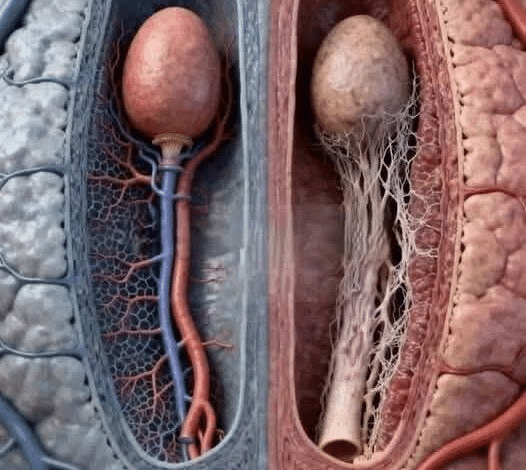
The kidneys are two organs located toward the back of the abdomen. Their best-known function is filtering waste and extra fluid from the blood so those substances can leave the body through urine.
Their responsibilities extend beyond waste removal.
Healthy kidneys help regulate fluid and mineral levels, influence blood pressure, support red blood cell production, and maintain chemical balance throughout the body. When kidney function declines, waste and fluid can accumulate and contribute to serious complications involving the cardiovascular system and other organs.
Chronic kidney disease, commonly abbreviated as CKD, means the kidneys have sustained damage or developed structural problems that reduce their ability to filter blood normally over time.
Why Kidney Disease Is Called a “Silent” Condition
Early CKD usually does not cause the dramatic pain many people expect from a serious health condition.
Someone may continue working, exercising, eating normally, and completing everyday activities while kidney function gradually changes. Symptoms often become more noticeable only after the condition has advanced.
This is why feeling healthy does not always confirm that the kidneys are functioning normally—particularly for people with known risk factors.
Routine medical care is important because kidney changes may first appear as elevated creatinine in the blood or excess albumin in the urine rather than as something a person can feel.
The Two Most Important Risk Factors
Diabetes and high blood pressure are the most common causes of chronic kidney disease in adults.
High blood glucose can gradually damage the kidney’s filtering structures. High blood pressure can damage and narrow blood vessels, reducing the kidneys’ ability to remove waste and excess fluid effectively. Kidney disease can then worsen blood pressure, creating a harmful cycle.
The CDC’s 2026 estimates found CKD in approximately 38% of adults with diabetes and 21% of adults with high blood pressure.
Other recognized risk factors include cardiovascular disease, a family history of kidney disease, and increasing age. The longer someone has lived with diabetes, hypertension, or cardiovascular disease, the more likely kidney complications may become.
Being at risk does not mean a person definitely has CKD. It means testing and proper management deserve greater attention.
Possible Warning Sign No. 1: Swelling in the Feet or Ankles
Damaged kidneys may have difficulty removing excess salt and fluid. This can contribute to swelling, known medically as edema, particularly in the legs, feet, and ankles. In some cases, swelling may also affect the hands or face.
Shoes may feel tighter than usual, or socks may leave deeper marks around the ankles.
Swelling has many possible causes, including heart, liver, vein, and medication-related problems. It should not be assumed to indicate kidney disease based on appearance alone.
Persistent, worsening, or unexplained swelling should be assessed by a healthcare professional.
Possible Warning Sign No. 2: Changes in Urination
Advanced kidney disease may change how often a person urinates. Some people may notice more frequent nighttime urination, while others produce less urine than usual.
Foamy urine can sometimes indicate that protein is leaking through damaged kidney filters. Blood in the urine, persistent cloudiness, burning, or difficulty urinating can have other causes and should also be medically evaluated.
For older men, increased nighttime urination or a weak urine stream may also be associated with an enlarged prostate rather than kidney damage. Symptoms alone cannot reliably identify the cause.
Possible Warning Sign No. 3: Persistent Fatigue or Difficulty Concentrating
Advanced CKD can be associated with tiredness, sleep problems, weakness, and difficulty concentrating. These symptoms may develop because waste is accumulating or because kidney disease contributes to anemia and other complications.
Fatigue is extremely common and may result from poor sleep, stress, infection, thyroid disorders, depression, anemia unrelated to kidney disease, medication effects, or many other conditions.
It becomes more concerning when it is persistent, progressively worsening, or accompanied by swelling, urinary changes, nausea, shortness of breath, or abnormal laboratory results.
Possible Warning Sign No. 4: Nausea, Poor Appetite, or Unexplained Weight Loss
As kidney function becomes more severely impaired, waste products can build up in the bloodstream. Some people then experience nausea, vomiting, reduced appetite, or unintended weight loss.
These symptoms are not typical proof of early kidney disease and can arise from countless digestive, metabolic, infectious, and medication-related causes.
Anyone experiencing ongoing vomiting, an inability to keep fluids down, rapid weight loss, or signs of dehydration should seek medical advice promptly.
Possible Warning Sign No. 5: Itching, Muscle Cramps, or Shortness of Breath
More advanced CKD may be associated with persistent itching, dry skin, numbness, muscle cramps, chest pain, or shortness of breath.
Shortness of breath or chest pain can represent an emergency and should never be dismissed as “just kidney trouble.”
Seek urgent medical help for sudden chest pain, severe breathing difficulty, confusion, fainting, or a major reduction in urine production.
Common Pain Medicines Can Affect the Kidneys
Over-the-counter medication is not automatically risk-free.
Nonsteroidal anti-inflammatory drugs, or NSAIDs, include medicines containing ibuprofen or naproxen. These products can damage the kidneys when used for long periods and may contribute to acute kidney injury when taken during dehydration or low blood pressure.
The risk may be greater for people who already have kidney disease, diabetes, high blood pressure, heart disease, or certain medication combinations.
People should not abruptly stop prescribed medicines without professional advice. Instead, they should review all prescription drugs, over-the-counter products, vitamins, and supplements with a doctor or pharmacist.
Anyone experiencing vomiting, diarrhea, fever, or difficulty drinking should ask a healthcare professional how illness and dehydration may affect their regular medications.
Does Drinking More Water Prevent Kidney Disease?
Water is essential, but more is not always better.
Adequate fluid intake supports normal body function, particularly during heat, exercise, or illnesses that cause fluid loss. However, there is no single water target appropriate for every person.
People with heart failure, advanced kidney disease, or certain electrolyte conditions may be advised to limit fluids. Drinking excessive water does not reverse established kidney damage and can be dangerous in some medical situations.
Hydration needs should be based on climate, activity, health status, diet, medications, and professional guidance rather than viral “kidney cleanse” claims.
How Kidney Function Is Tested
Two common types of tests help evaluate kidney health.
A blood test measures creatinine, a waste product normally removed by the kidneys. The result is used to estimate the glomerular filtration rate, or eGFR, which indicates how effectively the kidneys are filtering.
A urine albumin-to-creatinine ratio, or UACR, checks whether albumin is leaking into the urine. Protein leakage can be an early sign of kidney damage, even when a person feels completely well. Abnormal results may need to be repeated to confirm that the change is persistent.
One abnormal result does not always establish chronic kidney disease. Doctors interpret laboratory findings alongside medical history, blood pressure, medications, imaging, and repeat testing.
Practical Ways to Protect Kidney Health
The most effective strategy is managing the conditions that commonly damage the kidneys.
People with diabetes should work with their healthcare teams to manage blood sugar. Those with high blood pressure should monitor it and follow an individualized treatment plan. NIDDK identifies blood-pressure control as one of the most important steps for protecting kidney function in people with CKD.
A balanced eating pattern, appropriate sodium intake, regular physical activity, adequate sleep, smoking cessation, and maintaining a healthy weight can support cardiovascular and metabolic health. The right diet may differ for someone who already has kidney disease, particularly when potassium, phosphorus, protein, or fluid levels require monitoring.
Avoid unproven detox drinks and supplements promoted as kidney cleanses. “Natural” does not guarantee that a product is safe for the kidneys or compatible with prescription medication.
Who Should Ask About Testing?
Regular kidney testing is especially important for people with diabetes or high blood pressure. Those with cardiovascular disease, a family history of kidney failure, or increasing age should also discuss their individual risk with a healthcare professional.
Testing does not need to wait until symptoms become severe.
Finding kidney disease earlier may allow healthcare providers to treat contributing conditions, review medications, reduce complications, and slow further decline.
The Bottom Line
Kidney disease is not exclusively an older man’s condition, but the risk does rise with age.
The most important fact is that early CKD often causes no recognizable symptoms. Swelling, fatigue, urinary changes, poor appetite, itching, and concentration difficulties may occur later, but none of those signs can diagnose kidney disease on their own.
For people with diabetes, high blood pressure, cardiovascular disease, a family history of kidney problems, or other concerns, simple blood and urine tests provide far more useful information than waiting for the body to send an obvious warning.
Kidney health should not be approached with panic.
It should be approached with awareness, appropriate testing, responsible medication use, and regular medical care.


