I ordered a pizza one evening after a long day, expecting nothing more than a quick and comforting meal.
When the delivery driver handed me the box, everything seemed normal. The cardboard was warm, the familiar smell of baked dough and melted cheese filled the air, and nothing about the order appeared unusual.
I carried it into the kitchen, placed it on the counter, and opened the lid.
Then I stopped.
The surface of the pizza did not look the way I expected.
Instead of a completely smooth layer of melted cheese, several small raised bumps covered parts of the pizza. Some looked like tiny domes, while others appeared almost hollow beneath the surface.
For a few seconds, I could not tell what I was looking at.
My first thought was that the cheese had spoiled. Then I wondered whether something had fallen onto the pizza during preparation or whether the restaurant had used an unusual ingredient.
The longer I stared, the more suspicious the harmless-looking bumps began to seem.
Fortunately, the most likely explanation was much simpler.
They Were Probably Cheese Blisters
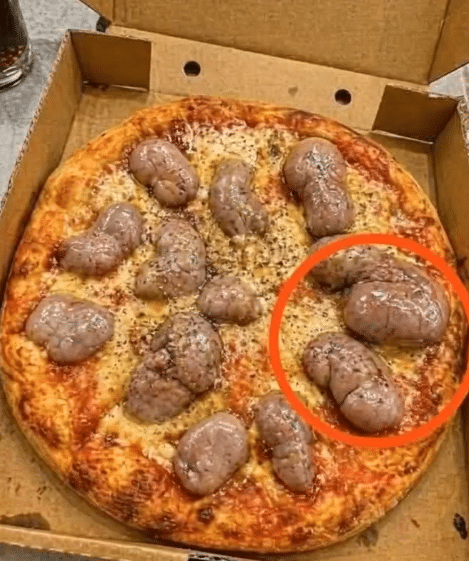
When pizza is exposed to intense oven heat, moisture and air trapped beneath the cheese can expand.
As the water turns into steam, it pushes upward against the softened cheese and creates small bubbles. Those bubbles may remain raised when the pizza leaves the oven, forming the strange-looking bumps that sometimes surprise customers.
This can happen with several types of cheese, including mozzarella.
The surface may also develop browned or blistered areas where the cheese receives more direct heat. In traditional high-temperature pizza ovens, these spots are especially common and are often considered a normal part of the baking process.
The bubbles do not usually indicate that anything has gone wrong.
They are simply evidence of heat, moisture, and melted cheese interacting inside the oven.
Why Some Pizzas Look Bubbly While Others Look Smooth
Not every pizza develops the same surface texture.
Several factors influence how the cheese melts and whether visible bubbles appear.
The moisture content of the cheese is important. Fresh mozzarella contains more water than many low-moisture varieties, so it may release more liquid and steam during baking.
The way the cheese is cut or distributed can also matter. Thick pieces may trap air differently from finely shredded cheese.
Oven temperature plays a major role as well. A very hot oven can cause rapid expansion before the cheese has time to settle into a smooth layer.
Other possible influences include:
- The thickness of the sauce
- Moisture released by vegetables or meat toppings
- Air pockets trapped beneath the cheese
- Uneven heat inside the oven
- The amount of time the pizza remains in the box after baking
A pizza may therefore arrive with a perfectly smooth surface one week and visible bubbles the next, even when it comes from the same restaurant.
The Pizza Box Can Change the Appearance Too
A pizza continues changing after it leaves the oven.
Inside a closed delivery box, heat and steam remain trapped for some time. That moisture can soften the crust, alter the cheese’s texture, and make bubbles or raised sections appear more noticeable.
As the pizza cools, some blisters collapse. Others remain in place.
Oil may also collect around the edges of the bubbles, making them shine under kitchen lighting. That glossy appearance can make ordinary melted cheese look unfamiliar or artificial.
In most cases, this is a visual issue rather than a food safety problem.
When the Pizza Is Probably Fine to Eat
If the raised areas are simply part of the cheese, the pizza should smell and taste normal.
Common signs that the appearance is caused by baking include:
- The bumps are the same color as the surrounding cheese
- They collapse when gently touched or cut
- Melted cheese is visible underneath
- There is no unusual odor
- The crust and toppings look properly cooked
- The pizza arrived hot and within a normal delivery period
In the story, the pizza tasted completely normal after the customer finally tried it.
That outcome supports the explanation that the strange shapes were ordinary cheese bubbles rather than contamination.
Warning Signs That Should Not Be Ignored
Although cheese blisters are harmless, not every unusual object in delivered food should be dismissed.
Do not eat the pizza when the item appears to be a foreign object rather than part of the food.
Possible warning signs include:
- Plastic, glass, metal, or packaging material
- Hair, insects, or unknown debris
- Mold with fuzzy green, black, blue, or white growth
- A sour, rotten, chemical, or otherwise abnormal smell
- Slimy toppings or visibly spoiled meat
- A broken seal or damaged box suggesting tampering
- Food that arrives at an unsafe temperature after a long delay
When something genuinely appears wrong, take clear photographs before touching or discarding it.
Contact the restaurant and explain what you found. Most reputable businesses will want to investigate, replace the order, or issue a refund.
For a serious contamination concern, preserve the food and packaging rather than immediately throwing everything away. The restaurant, delivery platform, or local health authority may need identifying information from the receipt and container.
Do Not Rely on Social Media Alone
Posting a mysterious food image online may produce hundreds of guesses.
Some comments will be helpful. Others may claim the object is a parasite, chemical reaction, dangerous mold, or deliberate contamination without any evidence.
That speculation can create unnecessary fear.
A photograph is not always enough to determine texture, odor, temperature, or how the item behaves when touched. Lighting and camera processing can also distort colors and make ordinary food look alarming.
The restaurant that prepared the pizza is often in the best position to explain the ingredients and cooking method.
When necessary, a food safety professional can provide more reliable guidance than anonymous commenters.
Why Unfamiliar Food Can Trigger Immediate Concern
The reaction in this story is understandable.
People develop expectations about how familiar foods should look. Pizza is usually associated with a smooth layer of melted cheese, so an unusual texture can feel suspicious even when it results from normal cooking.
Our brains often respond to uncertainty by imagining possible threats.
That instinct can be useful when it prevents someone from eating visibly spoiled food. But it can also make harmless variations appear dangerous.
The appearance of food is not perfectly consistent.
Bread develops different air pockets. Cheese browns unevenly. Vegetables release water. Dough expands into irregular bubbles. A pizza made by hand will rarely look identical every time.
Understanding those normal variations can prevent unnecessary worry.
A Simple Way to Check
When the unusual area appears to be part of the melted cheese, a person can carefully cut through one of the raised sections.
A harmless cheese bubble will usually reveal an empty air pocket, melted cheese, sauce, or another ordinary topping underneath.
Do not perform this test when the item resembles glass, sharp metal, chemicals, mold, or an unidentified foreign object. In those cases, stop handling the food and contact the restaurant.
Smell is also important.
Spoiled cheese usually produces an odor that is clearly different from the expected smell of a freshly baked pizza. However, food should not be tasted merely to determine whether an unknown substance is safe.
When uncertainty remains, discarding the meal is safer than taking a risk.
The Mystery Had an Ordinary Explanation
What looked strange inside the box was most likely the result of trapped steam.
Heat caused moisture beneath the cheese to expand, lifting the surface into small dome-shaped blisters. The pizza had not been altered, contaminated, or filled with something mysterious.
Only the customer’s understanding had changed.
Before learning the explanation, the raised cheese seemed disturbing.
Afterward, it became an interesting example of what happens inside a very hot pizza oven.
The moment also offered a useful reminder.
Not everything unfamiliar is dangerous—but unfamiliar food should still be examined carefully.
Check the smell, appearance, temperature, packaging, and ingredients. Contact the restaurant when something does not seem right, and avoid eating anything that appears contaminated or cannot be identified.
In this case, however, the answer was probably not frightening at all.
It was simply melted cheese, trapped air, and steam doing exactly what they sometimes do during baking.


