Correctional officers work in environments where nearly every interaction carries consequences.
They are responsible for maintaining security, preventing violence, enforcing facility rules, and protecting both staff members and incarcerated people. These duties require patience, emotional control, sound judgment, and strict professional boundaries.
When an officer appears to develop an inappropriate personal relationship with an inmate, the issue is not treated as an ordinary workplace matter.
It can become a serious security breach.
Surveillance footage, recorded telephone calls, unauthorized messages, unusual movements inside a facility, or reports from other staff members may trigger an internal investigation. Depending on what investigators uncover, the officer could face suspension, termination, loss of certification, civil liability, or criminal charges.
Even when an interaction initially appears harmless, the power imbalance inside a correctional setting makes the situation far more complicated.
Why These Relationships Are Strictly Prohibited
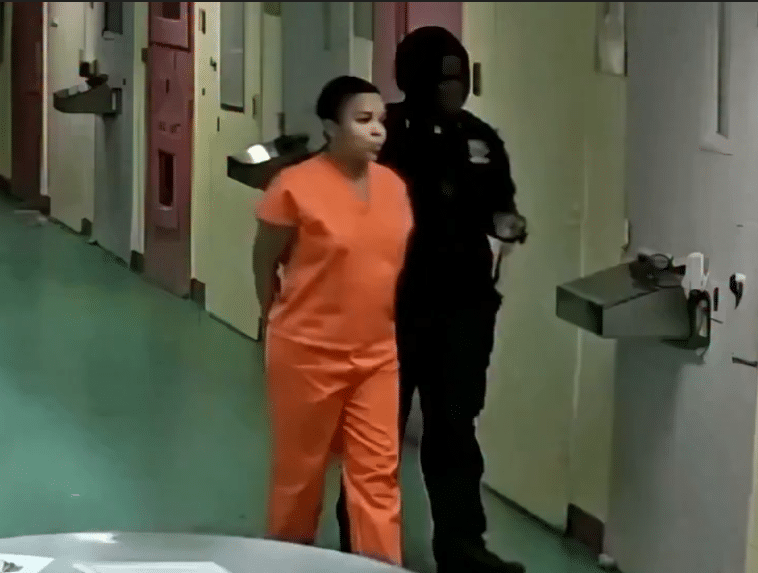
A correctional officer holds authority over nearly every part of an inmate’s daily life.
Officers may influence access to housing units, recreation, work assignments, communication, medical attention, disciplinary procedures, and personal property. That authority creates an unavoidable imbalance of power.
Because of this imbalance, personal or romantic relationships between officers and inmates are generally prohibited by facility rules and may violate state or federal law.
The concern is not limited to whether two people claim that the relationship was voluntary.
Correctional systems must consider whether the inmate felt pressured, whether favors were exchanged, whether security information was shared, and whether the officer used their authority improperly.
An apparently private relationship can quickly affect the entire institution.
What Surveillance Cameras May Reveal
Modern correctional facilities frequently use security cameras to monitor hallways, common areas, entry points, and other parts of the property.
When footage shows an officer repeatedly entering an unauthorized area, spending unusual amounts of time with one inmate, passing an object, or making unexplained physical contact, supervisors may begin reviewing the officer’s conduct.
One clip rarely tells the entire story.
Investigators typically compare video with access logs, shift assignments, incident reports, telephone records, visitor information, and electronic communications. They may also interview inmates, coworkers, supervisors, and contractors.
The goal is to determine whether the behavior was connected to legitimate duties or whether it indicates a pattern of boundary violations.
A misleading headline may suggest that an officer was “caught” doing something shocking. In reality, a responsible investigation requires more than a few seconds of footage.
Context, documentation, and corroborating evidence matter.
How Professional Boundaries Begin to Break Down
Inappropriate relationships do not always begin with an obvious violation.
They may start with extra attention.
An officer might begin having personal conversations with one inmate, sharing details about life outside the facility, or offering small favors not provided to others.
The contact may gradually expand into unauthorized messages, gifts, financial assistance, secret meetings, or promises about life after release.
By the time supervisors notice, the relationship may already have created serious security risks.
That is why correctional training often emphasizes early warning signs, including:
- Favoritism toward a particular inmate
- Unnecessary physical proximity
- Personal information being exchanged
- Unexplained schedule changes
- Attempts to avoid camera coverage
- Unauthorized phone or social media contact
- Gifts, money, or contraband passing between individuals
- Defensive behavior when questioned by supervisors
No single sign automatically proves misconduct. A repeated pattern, however, may justify closer review.
The Risk of Manipulation and Coercion
Correctional environments can create emotional pressure for both employees and inmates.
Staff members may work long shifts, experience burnout, and feel isolated from people who do not understand the demands of the job. Inmates may seek attention, protection, emotional support, or access to resources.
Those conditions can make boundary violations more likely.
An inmate may attempt to manipulate an officer into providing favors or prohibited items. An officer may exploit an inmate’s dependence, vulnerability, or fear.
In some cases, both individuals may describe the connection as personal or romantic. That description does not eliminate the institution’s responsibility to investigate.
The central question is not simply whether affection existed.
It is whether authority was misused and whether the relationship compromised safety, consent, or institutional integrity.
Security Consequences Can Spread Quickly
A prohibited relationship may expose information that should remain confidential.
An officer might reveal staff schedules, camera locations, search procedures, security weaknesses, or details about other inmates. Even casual comments can be used to plan contraband deliveries, assaults, escapes, or retaliation.
Personal relationships may also lead to favoritism.
One inmate might receive extra food, communication privileges, protection, or access to restricted areas. Other inmates may notice and attempt to use the information for blackmail.
Once an officer begins hiding one violation, additional misconduct can follow.
The employee may falsify reports, disable monitoring equipment, ignore prohibited behavior, or pressure coworkers to remain silent.
What began as private contact can become a facility-wide security problem.
Possible Consequences for the Officer
The outcome depends on the evidence, facility policy, and applicable law.
An officer may be placed on administrative leave while the investigation continues. If policy violations are confirmed, disciplinary action may include reassignment, suspension, termination, or loss of professional certification.
More serious cases can lead to criminal prosecution.
Charges may involve abuse of authority, official misconduct, introducing contraband, evidence tampering, or unlawful sexual contact. The specific offense varies by jurisdiction and by the circumstances of the case.
The consequences can extend beyond employment.
A former officer may face difficulty finding another public-safety job. Legal fees can create substantial personal financial pressure, and a conviction may affect housing, insurance, professional licenses, and future employment.
The facility itself may also face lawsuits, regulatory scrutiny, increased insurance costs, or expensive policy reforms. When public agencies are involved, settlements and investigations may ultimately affect taxpayer-funded budgets.
The Impact on Inmates and Other Staff Members
Misconduct damages more than the reputations of the two people directly involved.
Other inmates may begin to believe that rules are applied unfairly. Some may fear retaliation for reporting what they witnessed. Others may attempt to use the situation for leverage.
Coworkers can also be affected.
Officers who followed the rules may face increased scrutiny, heavier workloads, and declining morale. Supervisors may need to change assignments or implement additional monitoring.
Public trust can deteriorate quickly.
Communities expect correctional institutions to maintain security while treating people lawfully and with dignity. When an officer abuses their position, the public may question whether the problem is isolated or part of a larger institutional failure.
How Facilities Try to Prevent Misconduct
Training is one of the most important preventive tools.
New and experienced officers may receive instruction on ethics, professional boundaries, manipulation tactics, reporting obligations, and the proper use of communication systems.
Facilities may also strengthen oversight through camera reviews, access records, random searches, supervisory audits, and monitoring of approved communication channels.
Clear reporting procedures are equally important.
Employees need safe ways to report suspicious conduct without fearing retaliation. Anonymous hotlines, independent investigators, and written whistleblower protections can help identify problems earlier.
Mental health and wellness support also matter.
Stress does not excuse misconduct, but untreated burnout and emotional isolation can weaken judgment. Counseling, peer-support programs, manageable schedules, and access to professional help can reduce some workplace vulnerabilities.
Accountability Must Be Paired With Due Process
Allegations should be taken seriously, but they should not be treated as proven simply because a dramatic video clip circulates online.
Edited footage may omit relevant context. Rumors may misidentify an employee or exaggerate what occurred.
A fair process protects everyone involved.
Investigators should preserve records, examine the full footage, interview witnesses, and allow the accused employee to respond. Findings should be based on evidence rather than social media pressure.
When misconduct is confirmed, accountability should be clear and proportionate.
When the evidence does not support the allegation, that conclusion should also be communicated responsibly.
Transparency helps maintain trust, but it must be balanced with privacy, legal requirements, and the integrity of an ongoing investigation.
Why Professional Boundaries Protect Everyone
Strict boundaries are not designed merely to control employees.
They protect officers from manipulation and false accusations. They protect inmates from coercion and exploitation. They protect coworkers from security risks and divided loyalties.
They also protect the institution from lawsuits, violence, contraband, corruption, and loss of public confidence.
A correctional officer can still demonstrate compassion.
Listening respectfully, responding to distress, helping an inmate access medical care, or treating people with dignity does not violate professional standards.
The distinction lies in whether the interaction remains transparent, authorized, and connected to legitimate duties.
Compassion can coexist with boundaries.
Secrecy cannot.
The Bottom Line
When surveillance footage appears to show an officer crossing a professional line with an inmate, the consequences may reach far beyond a single interaction.
Investigators must determine whether the conduct involved favoritism, unauthorized communication, contraband, coercion, or abuse of authority.
The overwhelming majority of correctional employees perform difficult work without violating these standards. Isolated cases should not be used to condemn an entire profession.
However, institutions cannot dismiss warning signs simply to avoid embarrassment.
Strong training, confidential reporting systems, mental health support, careful supervision, and meaningful accountability are essential.
Inside a correctional facility, professional boundaries are not optional workplace etiquette.
They are part of the security system—and when they fail, everyone may be placed at risk.