Pregnancy is often imagined as a season of excitement, preparation, and hopeful conversations about the future.
Expectant parents may discuss names, prepare a nursery, compare health insurance coverage, and picture the life they hope to build with their child. A routine prenatal appointment can therefore feel reassuring—until a screening result raises the possibility of a serious or unexpected condition.
That kind of news can change the emotional atmosphere of a pregnancy within minutes.
One young couple reportedly faced an agonizing decision after prenatal testing indicated that their baby might have Down syndrome. After consultations, additional testing, and deeply personal discussions, they chose to terminate the pregnancy.
The decision attracted strong reactions when it was shared publicly.
Some people expressed sympathy for the couple. Others criticized their choice or pointed to the meaningful lives led by people with Down syndrome. The discussion quickly expanded beyond one family to questions about disability, reproductive healthcare, informed consent, parental responsibility, and the limits of public judgment.
Before responding to such a story, however, it is important to understand what prenatal tests can—and cannot—reveal.
Screening Is Not the Same as a Diagnosis
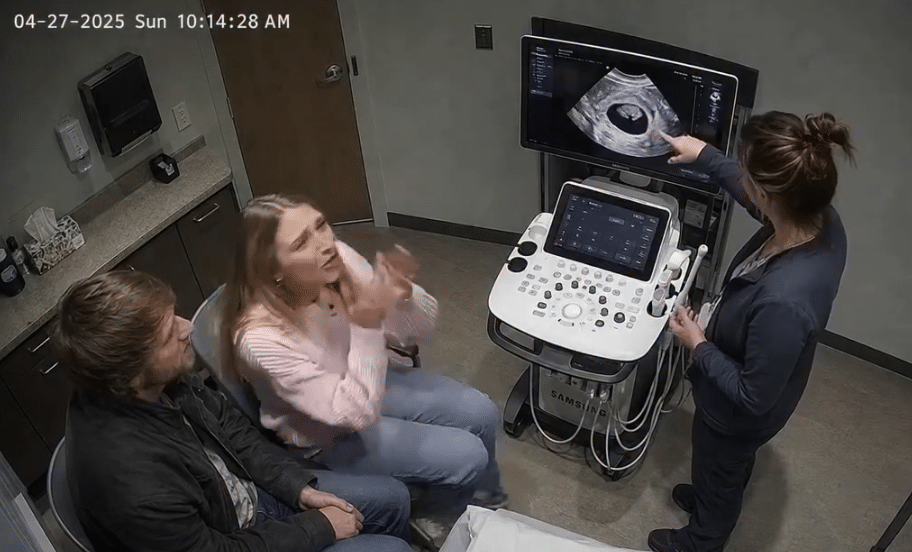
Prenatal genetic testing falls into two broad categories: screening and diagnostic testing.
A screening test estimates the likelihood that a pregnancy is affected by a chromosomal condition. It does not provide a definitive diagnosis. Cell-free DNA testing, sometimes called noninvasive prenatal testing, is the most sensitive screening method for common chromosomal differences, but the American College of Obstetricians and Gynecologists emphasizes that it is still a screening test rather than a diagnostic one.
A positive screening result generally means that further discussion and evaluation should be considered.
Diagnostic procedures, including chorionic villus sampling and amniocentesis, examine cells from the placenta or amniotic fluid. These tests can determine with much greater certainty whether a fetus has a particular chromosomal condition, although they involve medical considerations that should be discussed with a qualified healthcare professional.
This distinction matters enormously.
No family should feel pressured into making an irreversible decision based only on an online explanation, an ultrasound image, or a screening result that has not been properly interpreted.
ACOG’s current guidance states that prenatal screening and diagnostic options should be discussed with all pregnant patients, regardless of age or previously identified risk. Patients also have the right to accept or decline testing after receiving appropriate information.
What Is Down Syndrome?
Down syndrome is a genetic condition caused by additional chromosome 21 material.
In the most common form, called trisomy 21, a person’s cells contain three separate copies of chromosome 21 instead of the usual two. The CDC reports that this form accounts for approximately 95% of Down syndrome cases. Less common forms include translocation Down syndrome and mosaic Down syndrome.
The condition influences physical and cognitive development, but it does not affect every individual in exactly the same way.
Some children have congenital heart conditions, hearing or vision differences, thyroid disorders, gastrointestinal conditions, or other healthcare needs. Developmental and intellectual abilities also vary widely, and support requirements can range from relatively limited assistance to substantial lifelong care.
A diagnosis cannot fully predict a person’s future personality, relationships, abilities, or quality of life.
Medical care, early intervention, inclusive education, family support, and community access have improved significantly. People with Down syndrome participate in schools, employment, sports, creative work, friendships, relationships, and community life. Research from the NIH has also documented major improvements in life expectancy over recent decades.
For that reason, healthcare information should describe both potential medical challenges and the range of lives experienced by people living with the condition.
The Emotional Impact of Unexpected Results
Even when parents understand that prenatal testing is optional, an unexpected result can be emotionally overwhelming.
The couple may experience fear, sadness, disbelief, guilt, confusion, or grief for the future they had previously imagined. They may also feel pressured to absorb complicated medical information while facing time-sensitive decisions.
Partners do not always react in the same way.
One may immediately begin researching medical care and community resources. The other may focus on possible complications, household finances, employment, insurance, childcare, or the effect on existing children.
These concerns do not necessarily reflect a lack of love.
They may reflect the reality that families make decisions within particular medical, emotional, cultural, religious, and financial circumstances.
Professional genetic counseling can be especially valuable during this period. A counselor can explain the difference between screening and diagnosis, discuss the limitations of test results, review possible next steps, and help parents identify the questions they want answered before deciding how to proceed. ACOG describes genetic counselors as an important resource for people considering what prenatal results could mean for their family.
Why Disability Perspectives Matter
Discussions about pregnancy termination following a Down syndrome diagnosis can be painful for people with disabilities and their families.
Some worry that public conversations describe Down syndrome only through fear, dependence, or medical cost. Parents raising children with Down syndrome may feel that the happiness, accomplishments, and relationships within their families are being overlooked.
Disability advocates frequently emphasize that a diagnosis should not be treated as a complete description of a person.
That perspective deserves a meaningful place in prenatal counseling.
Families considering their options may benefit from speaking not only with medical specialists but also with parents raising children with Down syndrome, support organizations, educators, and adults living with the condition.
Such conversations can offer information that a test result cannot provide.
At the same time, sharing positive stories should not require families to deny that some individuals have complex medical or support needs. Respectful counseling should avoid both extremes: presenting the condition as a tragedy or promising that every outcome will be easy.
Balanced information allows parents to make decisions based on reality rather than fear or idealization.
Why Public Reactions Become So Intense
Pregnancy, abortion, disability, and parenting are among the most personal and emotionally charged subjects discussed online.
When a couple shares its experience, viewers often interpret the decision through their own values. Some focus on reproductive autonomy. Others focus on the rights and dignity of people with disabilities. Some respond from religious beliefs, while others draw from personal experience with pregnancy loss, medical complications, or caregiving.
Disagreement is therefore unsurprising.
What becomes harmful is the assumption that strangers know everything about the family involved.
A short social media post rarely explains the certainty of the diagnosis, additional medical findings, the pregnant patient’s health, access to specialist care, existing family responsibilities, or the private conversations that occurred.
It may also omit whether the couple received balanced counseling or felt pressured in a particular direction.
Public audiences should be cautious about filling those gaps with accusations.
Support Should Continue Regardless of the Decision
Families need support whether they continue a pregnancy, choose adoption, prepare to raise a child with additional needs, or decide to terminate.
Those who continue the pregnancy may need coordinated prenatal monitoring, pediatric specialists, insurance guidance, early-intervention services, educational planning, and connections with other families.
Those who end a wanted pregnancy may experience grief, guilt, isolation, or mixed emotions. Even when parents believe they made the most appropriate decision available to them, they may still mourn the child and future they had imagined.
Emotional pain does not necessarily prove regret.
Counseling, peer support, compassionate medical follow-up, and nonjudgmental family relationships can help people process what happened.
No one should be forced to defend a private medical experience repeatedly for the benefit of an online audience.
Privacy Has Value in the Social Media Era
Sharing a difficult experience can help other families feel less alone.
It can also expose people to cruelty.
Once intimate healthcare information is posted publicly, it may be copied, shortened, misrepresented, or turned into sensational headlines. A nuanced story can quickly become a few inflammatory words designed to generate reactions.
Couples considering public disclosure may benefit from deciding in advance which details will remain private. They may also choose to limit comments, avoid identifying medical professionals, or wait until they have had time to process the experience.
There is no obligation to turn grief into public education.
Silence can also be a legitimate form of self-protection.
Compassion Does Not Require Agreement
People can hold strong beliefs about pregnancy termination while still recognizing the humanity of those involved.
Respectful discussion does not require abandoning moral, religious, or political convictions. It requires acknowledging that deeply personal medical decisions are often more complicated than a headline suggests.
It is possible to affirm the dignity of people with Down syndrome while also treating expectant parents with compassion.
It is possible to advocate for better disability services without attacking an individual family.
It is also possible to support informed reproductive decision-making while challenging inaccurate or stigmatizing descriptions of disability.
These principles do not have to cancel one another out.
The Bottom Line
A prenatal screening result is not automatically a diagnosis, and a diagnosis does not predict every detail of a child’s future.
Families facing unexpected results should receive accurate medical information, access to diagnostic testing when appropriate, genetic counseling, disability-informed resources, and time to discuss their values and circumstances.
Down syndrome is associated with varied developmental and medical needs, but people with the condition can also lead active, meaningful, and deeply connected lives.
The young couple’s reported decision may remain controversial.
Yet behind the headline is a reality that applies to many families: prenatal technology can provide information, but it cannot make the decision or remove its emotional weight.
Whatever conclusion a family reaches, the public conversation should begin with facts, dignity, and compassion—not shame.


