A snake bite can become a life-threatening emergency, even when the wound initially looks small or the person feels well. Venom from different snake species can affect blood clotting, breathing, muscles, nerves, kidneys, and surrounding tissue. The World Health Organization estimates that snakes bite between 4.5 million and 5.4 million people worldwide each year, causing approximately 81,000 to 138,000 deaths.
The first few minutes matter, but attempting a dramatic home remedy can cause more harm than the bite itself. Cutting the wound, sucking out venom, applying ice, or tying a tight tourniquet are outdated practices that should be avoided.
The safest response is to move away from the snake, call emergency services, keep the person as still as possible, and follow instructions appropriate for the country where the bite occurred.
First, Move Away From the Snake
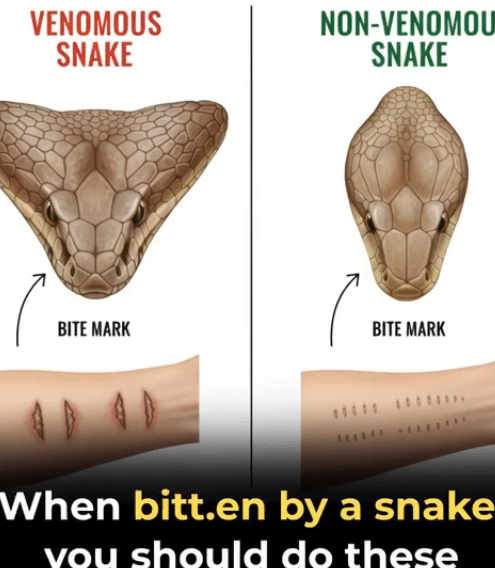
Create a safe distance immediately. Do not attempt to catch, kill, corner, or pick up the snake. A frightened or injured snake may strike again, and even a severed head can remain dangerous.
If the snake can be observed from a safe location, remember its color, patterns, approximate size, and head shape. A photograph taken from a safe distance may help medical professionals, but identifying the animal is never more important than avoiding another bite.
Do not waste time searching for the snake after it disappears. Hospitals can often make treatment decisions based on the patient’s symptoms, examination findings, local snake species, and laboratory testing.
Call Emergency Services Immediately
Treat every suspected venomous snake bite as an emergency. Do not wait for swelling, pain, weakness, or breathing problems to develop.
Call the local emergency number or poison information service and state clearly that a snake bite has occurred. Provide the location, approximate time of the bite, part of the body affected, current symptoms, and any safe description of the snake.
The person who was bitten should not drive. Venom may cause dizziness, weakness, fainting, confusion, paralysis, or other sudden symptoms. An ambulance is preferable when available because emergency personnel can monitor the patient and begin supportive treatment during transportation.
Keep the Person Still
Help the person sit or lie down in a safe, comfortable position. Avoid unnecessary walking, running, or muscular activity. If the bite occurred far from a road, arrange for the person to be carried whenever possible instead of asking them to walk.
The WHO recommends immobilizing the person and the affected limb while arranging transportation to medical care. Muscle movement can increase the movement of venom through lymphatic circulation.
Use a splint or sling only when it can be applied without delaying emergency help or causing additional movement. Do not tie the splint tightly.
In the United States, the CDC advises placing the bitten area in a neutral position of comfort. American Red Cross guidance recommends keeping it still and below heart level. Follow the emergency dispatcher’s directions because positioning advice may vary according to local protocols.
Remove Rings, Watches, and Tight Clothing
Swelling can develop quickly after some venomous bites. Remove rings, watches, bracelets, anklets, tight shoes, and restrictive clothing near the affected area before they become trapped.
Do not aggressively pull clothing over the bite or move the limb more than necessary. If an item cannot be removed easily, wait for emergency professionals rather than forcing it.
Pressure Bandaging Depends on Where the Bite Occurred
This is one of the most important details missing from many online instructions: pressure-immobilization bandaging is not universally recommended for every snake bite.
In Australia, official guidance advises applying a pressure-immobilization bandage to a suspected snake bite and splinting the limb. The technique is intended to reduce lymphatic movement while preserving blood circulation. Australian authorities advise keeping the person completely still until emergency help arrives.
In the United States, the American Red Cross specifically warns against pressure-immobilization bandaging after pit viper bites, which include rattlesnakes, copperheads, and cottonmouths. It may be considered for a suspected coral snake bite when medical transportation will be substantially delayed, but only by someone trained in the technique.
An incorrectly applied pressure bandage can become a dangerous tourniquet. Unless local emergency guidance recommends the technique and someone present knows how to perform it, keep the limb still and wait for professional instructions.
Should You Wash the Bite?
Guidance also differs by region.
Current CDC and American Red Cross recommendations in the United States say to wash the bite gently with soap and water and cover it with a clean, dry dressing. The CDC also advises marking the edge of swelling or tenderness and noting the time so medical professionals can see how quickly it is progressing.
Australian guidance says not to wash the bite because venom remaining on the skin or clothing may assist with identification.
Because these instructions conflict for legitimate regional reasons, follow the advice of the emergency dispatcher or poison center where the bite occurred. Do not scrub, squeeze, massage, or apply chemicals to the wound.
Never Use These Dangerous Remedies
Do not cut or puncture the bite. Cutting can cause bleeding, infection, nerve injury, and additional tissue damage without reliably removing venom.
Do not try to suck out the venom with your mouth or a commercial suction device. Do not apply electric shocks, herbal mixtures, chemicals, “snake stones,” gasoline, alcohol, or other folk remedies.
Do not apply ice or immerse the limb in cold water. Extreme cold may worsen local tissue injury.
Do not place a tight cord, belt, wire, or tourniquet around the limb. Cutting off circulation can severely damage nerves and tissue and may increase the risk of losing the limb.
Do not drink alcohol, and do not take aspirin, ibuprofen, or naproxen unless a medical professional specifically instructs you to do so, since some venoms interfere with normal blood clotting.
Watch the Person’s Breathing and Responsiveness
Stay with the person and monitor breathing, alertness, and any changing symptoms until help arrives.
Possible symptoms include increasing pain or swelling, bruising, bleeding, nausea, vomiting, dizziness, blurred vision, weakness, drooping eyelids, difficulty speaking, confusion, paralysis, or breathing problems. The symptoms depend on the snake species and may be delayed.
If the person becomes unresponsive and is not breathing normally, begin CPR if trained and follow the dispatcher’s instructions.
If the person is unconscious but breathing, or begins vomiting, protect the airway. WHO guidance recommends positioning the person on the side with the mouth directed downward when possible, reducing the risk that vomit or weakened throat muscles will obstruct breathing.
A Small Bite Can Still Be Serious
Fang marks may appear as two punctures, tiny scratches, a single mark, or almost nothing visible. The amount of early pain or swelling does not reliably show whether venom was injected.
A venomous snake can sometimes deliver a “dry bite,” meaning little or no venom enters the body. However, there is no dependable way to determine that outside a medical facility. Someone who feels well immediately after the bite may still develop dangerous symptoms later.
Every suspected venomous bite requires professional evaluation rather than observation at home.
Why Hospital Treatment Matters
At the hospital, clinicians may monitor breathing, circulation, blood clotting, kidney function, neurological symptoms, and tissue swelling. Treatment can include intravenous fluids, pain control, airway support, laboratory testing, and antivenom when signs of envenoming justify its use.
Antivenom can prevent or reverse many serious effects of snake venom, but it must be selected and administered by trained professionals because the correct product depends on the snake and geographic region. It can also cause severe allergic reactions, making a controlled medical setting essential.
Do not delay transportation while searching for a particular hospital or attempting home treatment. Emergency services can help determine the most appropriate medical facility.
How to Reduce the Risk of a Bite
Wear sturdy boots and long pants while hiking, farming, gardening, or walking through tall grass. Use a flashlight outdoors at night, including around yards and outbuildings.
Do not place hands beneath rocks, logs, brush, or equipment without checking first. Keep yards clear of heavy leaf litter, wood piles, and unnecessary debris that may provide shelter for snakes or rodents.
When a snake is encountered, stop, move away slowly, and give it an escape route. Most bites occur when people surprise, step near, handle, or attempt to kill a snake.
The Bottom Line
After a snake bite, the most important steps are simple:
Move away from the snake, contact emergency services, keep the person still, remove tight items, and follow local professional instructions.
Do not cut the wound, suck out venom, apply ice, use a tourniquet, or delay hospital care while attempting traditional remedies.
Pressure bandaging and wound washing vary by country and snake type, so online instructions should never replace advice from the local emergency dispatcher or poison center.
Staying calm does not make the danger disappear—but avoiding unnecessary movement and reaching medical care quickly can significantly improve the person’s chance of recovery.


