Black widow spider bites are often surrounded by fear and misinformation. While their reputation can be alarming, the reality is that serious complications are rare—especially when the situation is handled calmly and correctly.
Knowing what to do after a bite can make a significant difference in both physical recovery and peace of mind.
Identifying a Black Widow Spider
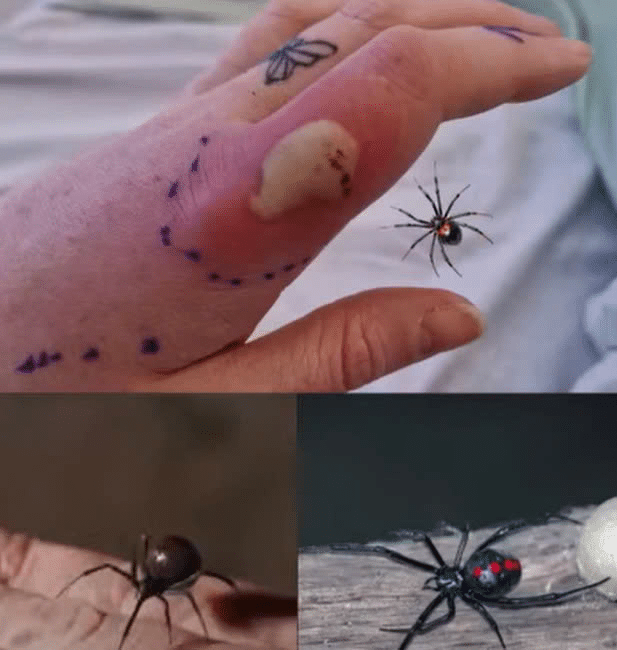
Before reacting, it helps to confirm whether the spider involved may have been a black widow.
Key characteristics include:
- Shiny black body
- Distinct red hourglass marking on the underside
- Larger size in females (they are responsible for most bites)
- Found in dark, undisturbed areas like garages, woodpiles, and sheds
Correct identification helps guide the right response and reduces unnecessary panic.
Common Symptoms of a Black Widow Bite
A bite may not feel serious at first. In many cases, it begins as a mild pinprick sensation.
Within a few hours, symptoms may develop, including:
- Muscle pain or cramping (often spreading from the bite area)
- Stiffness in the abdomen, back, or legs
- Sweating and restlessness
- Nausea or headache
- Mild swelling or redness at the bite site
While these symptoms can feel intense, they are usually manageable in healthy adults.
Immediate Steps to Take
If you suspect a black widow spider bite, follow these steps:
1. Stay Calm
Panic can worsen symptoms and make the situation feel more severe than it is. Most bites are not life-threatening.
2. Clean the Area
Wash the bite gently with soap and water to reduce infection risk.
3. Apply a Cool Compress
Use a cold pack or damp cloth to help reduce swelling and discomfort. Avoid direct ice contact with skin—wrap it in cloth.
4. Rest and Hydrate
Allow your body to recover by resting and drinking fluids.
5. Manage Pain
Over-the-counter pain relievers may help with mild symptoms, unless otherwise advised by a healthcare professional.
When to Seek Medical Attention
While most cases improve with basic care, some situations require professional help.
Seek medical attention if you experience:
- Severe or worsening muscle pain
- Pain spreading rapidly through the body
- Difficulty breathing
- Chest discomfort
- Persistent nausea or vomiting
Certain individuals should be extra cautious:
- Children
- Older adults
- Pregnant individuals
- People with underlying health conditions
Doctors may provide stronger pain management or, in rare cases, consider antivenom treatment.
Black Widow vs. Brown Recluse: Know the Difference
Black widow bites are often confused with those from brown recluse spiders.
Key differences:
- Black Widow: Causes muscle pain and cramping
- Brown Recluse: More likely to cause skin damage and tissue breakdown
Understanding the difference helps ensure proper treatment.
How to Prevent Spider Bites
Prevention is simple and effective with a few habits:
- Wear gloves when working in dark or cluttered areas
- Shake out shoes and clothing before wearing
- Keep storage spaces clean and organized
- Seal cracks and reduce insect activity around your home
These steps significantly reduce the chance of unexpected encounters.
Final Thoughts
A black widow spider bite can be uncomfortable—but it’s rarely dangerous when handled properly.
The key is to stay calm, follow basic first aid steps, and monitor symptoms carefully. With the right response, most people recover fully without complications.
Understanding the facts replaces fear with confidence—and that’s the most powerful protection you can have.


