Cassava is eaten by millions of people across Africa, Asia, Latin America, and other tropical regions. Also known as yuca or manioc, the starchy root is boiled, fried, fermented, dried, or ground into flour. Its starch is also used to produce tapioca, including the pearls commonly added to desserts and drinks.
Despite its importance, cassava frequently appears in alarming online posts describing it as one of the “world’s most dangerous foods.” Some versions even claim that it causes more than 200 deaths every year.
That exact annual death figure could not be confirmed through authoritative global health sources. Documented outbreaks of cassava-related cyanide poisoning have occurred, and severe poisoning can be fatal, but the CDC describes reported acute outbreaks as relatively rare. The real risk comes primarily from eating cassava that is raw or inadequately processed—not from commercially prepared tapioca or properly processed cassava dishes.
What Is Cassava?
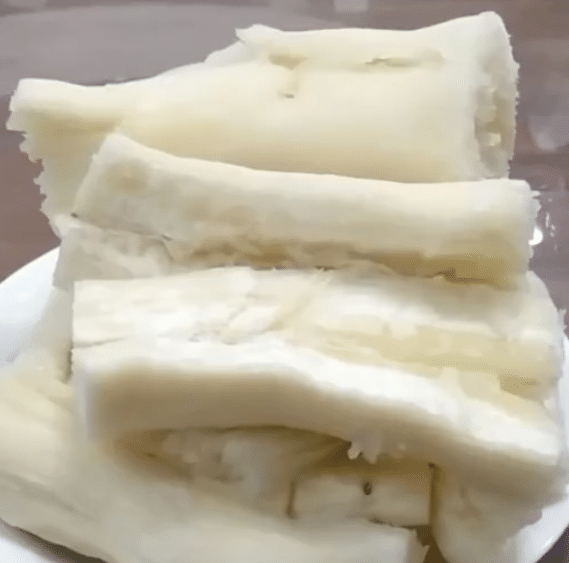
Cassava, scientifically known as Manihot esculenta, is a tropical plant cultivated mainly for its large, carbohydrate-rich roots.
The crop is particularly valuable in areas where growing conditions are difficult. It can tolerate drought, poor soil, high temperatures, and irregular rainfall better than many other staple crops. Farmers can also leave mature roots in the ground until they are needed, giving households a flexible source of food during shortages or financial hardship.
Cassava has become an essential source of dietary energy for hundreds of millions of people. The CDC has described it as a primary food source for more than 600 million residents of tropical regions.
Its popularity is therefore not surprising. Cassava is affordable, filling, adaptable to numerous recipes, and capable of growing in places where wheat, rice, or corn may struggle.
Why Raw Cassava Can Be Dangerous
Cassava naturally contains substances known as cyanogenic glycosides, particularly linamarin and lotaustralin.
When the plant’s tissues are cut, grated, crushed, chewed, or otherwise damaged, those compounds can interact with naturally occurring enzymes and release hydrogen cyanide. The amount varies by cassava variety, growing conditions, and preparation method. Bitter varieties generally require more extensive processing than sweeter varieties.
Cyanide prevents cells from using oxygen properly. Significant exposure can affect the brain, heart, and other organs. Severe poisoning may lead to breathing difficulties, confusion, seizures, coma, cardiac arrest, or death.
This does not mean every cassava meal is poisonous. It means the plant must be prepared correctly before it is eaten.
Proper Processing Makes the Difference
Communities that have relied on cassava for generations developed preparation methods that reduce its cyanogenic compounds.
Depending on the variety and intended dish, traditional processing may involve peeling, grating, soaking, fermenting, pressing, drying, cooking, or a combination of these techniques. Properly performed processing can substantially reduce cyanide content.
However, there is no single preparation rule that is equally safe for every cassava variety and product. Simply boiling an unknown bitter variety for a few minutes may not be enough.
Consumers should never eat raw cassava and should not experiment with roots of uncertain origin. The safest options are commercially processed cassava products or fresh roots purchased from a reputable food supplier and prepared according to recognized regional food-safety guidance.
Tapioca starch and other commercially manufactured products are generally processed to remove the concerning compounds. Cassava flour and chips should still come from trustworthy producers that follow established safety standards.
What Can Happen When Processing Is Rushed?
Cassava poisoning incidents are often linked to inadequate preparation, particularly during food shortages, droughts, displacement, or economic crises.
When families urgently need food, they may shorten soaking, fermenting, drying, or other traditional steps. Limited access to clean water and suitable processing equipment can further increase the risk.
In one documented outbreak investigated in Uganda, improperly processed cassava flour with high cyanogenic content was connected to illness. The CDC emphasized that established detoxification methods are essential for preventing such outbreaks.
A separate investigation in the Philippines linked illness to insufficiently processed bitter cassava. Public health officials responded by educating communities about peeling, grating, soaking, squeezing, and cooking the root appropriately.
These cases show that cassava itself is not an unpredictable poison. The major danger arises when high-cyanide varieties are consumed without adequate processing.
Symptoms of Cassava-Related Cyanide Poisoning
Symptoms can begin relatively quickly after consuming inadequately processed cassava. Possible warning signs include:
- Headache or dizziness
- Nausea and vomiting
- Abdominal discomfort
- Weakness or confusion
- Difficulty breathing
- Abnormal heart rate
- Seizures or loss of consciousness
Severe symptoms require emergency medical treatment. Anyone who becomes suddenly ill after eating raw or possibly underprocessed cassava should not wait for the symptoms to disappear.
Do not induce vomiting unless a poison-control specialist or healthcare professional specifically instructs you to do so. Save the remaining food or packaging when it can be done safely, since this may help public health officials identify the source.
Long-Term Exposure Can Also Cause Harm
Acute poisoning is not the only concern.
Long-term consumption of inadequately processed cassava, especially as part of a diet low in protein and other nutrients, has been associated with neurological and thyroid problems in affected populations. Researchers have also linked chronic cyanide exposure from cassava-based diets to a neurological disorder known as konzo in certain communities facing severe food insecurity.
These conditions generally occur under circumstances very different from occasionally eating properly prepared cassava at a restaurant or consuming commercially processed tapioca.
The broader issue involves food security, poverty, drought, limited dietary variety, and insufficient access to safe processing resources.
Why People Continue Eating Cassava
Calling cassava “deadly” without explaining its role in global food systems creates a misleading impression.
For many families, cassava is not an unusual delicacy. It is a dependable daily staple and an important source of affordable calories. It supports farmers, local markets, food manufacturers, and rural economies.
Its resilience also gives it value in regions experiencing unpredictable weather. When other crops fail, cassava may continue producing roots underground.
Cassava can be transformed into flour, porridge, bread, fermented foods, snacks, soups, desserts, and beverages. Tapioca offers a gluten-free starch used in numerous packaged foods.
The crop’s usefulness explains why millions continue to rely on it. People are not knowingly choosing poison; they are consuming a traditional food that is safe when the correct processing methods are followed.
Safety Tips for Consumers
Never taste raw cassava to determine whether it is safe.
Buy fresh cassava and cassava-based products only from reputable markets or manufacturers. Peel and prepare fresh roots according to reliable local food-safety instructions, recognizing that bitter varieties may require specialized processing beyond ordinary home cooking.
Do not serve cassava that tastes unusually bitter or appears to have been prepared by an uncertain method. When purchasing cassava flour, chips, tapioca, or frozen yuca, follow the package directions and observe storage and expiration guidance.
Parents should be especially careful about allowing children to handle or taste raw roots. Small bodies may be more vulnerable to toxic exposure.
The Bottom Line
Cassava is both a valuable global food and a plant that requires respect.
Its natural cyanogenic compounds can release cyanide when raw or improperly processed cassava is consumed. Documented poisoning outbreaks prove that the danger is real, but claims that cassava routinely kills a fixed number of people every year should not be repeated without reliable evidence.
Properly processed cassava has been eaten safely for generations. Commercial tapioca and other regulated cassava products should not be confused with raw or inadequately prepared roots.
The lesson is not that everyone must stop eating cassava. It is that traditional preparation methods, trustworthy food suppliers, and clear public health education matter.
Cassava can help sustain entire communities—but only when it is processed with the care this remarkable crop requires.


