Opening the sugar jar and finding ants crawling through it is enough to ruin anyone’s morning. Because ants are strongly attracted to sweet foods, even a few loose sugar crystals on a shelf can lead an entire trail into the pantry.
A popular household tip claims that adding a bay leaf, clove, cinnamon stick, or another strongly scented ingredient to the sugar will make the ants scatter and prevent them from returning. Certain odors may temporarily disturb an ant trail, but placing a home remedy inside contaminated food is not the most reliable—or hygienic—solution.
The genuinely effective “secret” is much simpler: transfer clean food into a tightly sealed container, remove every trace of spilled sugar, and block the route the ants are using to enter the kitchen.
Here is what to do when ants reach your sugar and how to keep them from coming back.
Why Ants Are So Attracted to Sugar
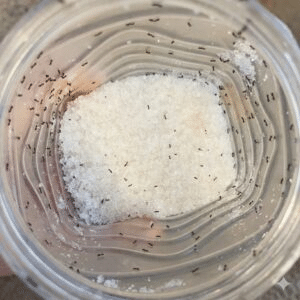
Many common household ants search for carbohydrate-rich foods that provide quick energy. Sugar, syrup, honey, fruit, soda, jam, and sweet crumbs can all attract foraging workers. Some species also seek grease, protein, pet food, or moisture, so removing only the sugar may not eliminate the wider problem.
When one ant discovers food, it can leave a chemical trail that helps other members of the colony follow the same route. That is why a single ant near the sugar jar may be followed by dozens more a short time later.
Killing the visible ants without cleaning their route often provides only temporary relief. Other workers may continue following the established trail from a crack, window frame, cabinet gap, or plumbing opening.
Should You Keep Sugar That Contained Ants?
If only one or two ants are crawling on the outside of a sealed container, wipe down the jar and inspect the lid. The sugar inside may be unaffected.
If ants are actively moving through the sugar, the safest choice is generally to discard the contaminated portion, particularly when the infestation is heavy or the container has been open for an unknown length of time.
Do not spray insecticide into the jar, and do not add cleaning products, essential oils, mothballs, or pesticide powders to food. Never use a pesticide on a food-contact surface unless its label specifically permits that use and explains exactly how to apply it.
A few ants can sometimes be physically removed from dry sugar, but there is no practical way to guarantee that all insects and debris have been eliminated. When preparing food for children, older adults, guests, or anyone with health concerns, replacing an inexpensive bag of sugar is usually more sensible than trying to rescue a heavily infested supply.
The Real Trick: Use an Airtight Container
After disposing of contaminated sugar, wash the jar thoroughly with dish soap and water. Rinse it well and allow it to dry completely before refilling it.
Store the new sugar in a glass, metal, or durable plastic container with a tight-fitting lid. A decorative jar may look closed while still leaving a small gap around the lid that ants can enter. Containers with locking clips, screw tops, or silicone gaskets tend to provide a more dependable seal.
The Environmental Protection Agency recommends keeping food in tightly sealed containers that pests cannot access. University extension guidance similarly advises storing pantry staples in closed glass, metal, or heavy plastic containers.
An airtight container does more than keep ants out. It also protects sugar from moisture, clumping, odors, and other pantry pests.
Clean More Than the Sugar Jar
Removing the jar is only the beginning. Ants may continue returning if sugar crystals or sticky residue remain on the shelf.
Empty the cabinet and inspect the corners, shelf supports, hinges, and gaps around the wall. Vacuum loose sugar and crumbs before washing the area with warm, soapy water. Wipe the outside and bottom of nearby containers because syrup, honey, coffee creamer, and cooking ingredients may leave invisible sticky films.
Also check beneath countertop appliances, around the trash can, and near pet bowls. Ants require only a tiny amount of food to keep returning.
The EPA and pest-management specialists emphasize sanitation as a core method of prevention: clean spills promptly, remove food residue, and keep stored foods sealed.
What About Bay Leaves, Cinnamon, or Cloves?
Bay leaves, cinnamon, cloves, citrus peels, vinegar, and peppermint are frequently promoted as natural ant repellents. Strong scents may interfere with ant activity for a limited time, especially when used to wipe away a trail.
However, these remedies do not normally eliminate the colony. Their effectiveness can vary according to the ant species, concentration, placement, and conditions inside the home.
Placing a dry bay leaf near—but not mixed into—the sugar container is unlikely to solve an established infestation by itself. It may serve as an additional deterrent, but the airtight lid and thorough cleaning are doing the most important work.
Vinegar or mild soapy water may be used to clean some washable surfaces, provided the material’s care instructions allow it. Never mix household cleaners, and keep any cleaning solution away from exposed food.
Follow the Ant Trail
Watch where the ants go after leaving the cabinet. They may be entering through a narrow crack around a window, pipe, electrical line, backsplash, or baseboard.
Once the area is clean and dry, seal appropriate cracks with caulk or another suitable building material. Repair leaking faucets or plumbing because some ants are drawn to moisture as well as food.
Do not seal an opening while large numbers of ants are trapped inside a wall or cabinet without considering where they may emerge next. A persistent infestation may require baiting or professional identification.
Why Baits May Work Better Than Sprays
Spraying the ants you can see may kill individual workers, but it may not reach the hidden colony. Ant baits are designed to be carried back to the nest, potentially affecting more of the population.
Use only a registered ant-control product labeled for indoor use, and follow every direction. Place bait where children and pets cannot reach it and away from food-preparation surfaces.
Avoid spraying insecticide near the bait, since repellent sprays may stop workers from feeding on it. Different ant species have different food preferences, so a bait that works in one home may perform poorly in another.
When ants keep returning despite cleaning, sealing, and correctly used bait, a licensed pest-management professional can identify the species and locate likely nesting areas.
How to Prevent Another Sugar-Jar Invasion
Keeping a clean pantry is more effective than relying on one scented ingredient. Store sugar, flour, cereal, cookies, and other dry foods in sealed containers. Wipe sticky bottles before returning them to the shelf, sweep crumbs regularly, and avoid leaving dirty dishes overnight.
Check grocery bags and cardboard packaging before placing them in cupboards. Remove old or forgotten food, clean cabinet corners, and keep pet food in a closed container. These measures reduce the food sources that allow household pests to remain established.
The Bottom Line
Ants in a sugar jar are frustrating, but pouring chemicals or unproven ingredients into the food is not the answer.
Discard sugar that is heavily contaminated, wash and dry the container, and refill it only after switching to a truly airtight lid. Then clean the cabinet thoroughly, erase the ant trail, seal entry points, and address any additional food or moisture sources.
A bay leaf or cinnamon stick placed nearby may smell pleasant and could temporarily discourage some ants, but it should not replace proper food storage and pest control.
The item that makes the greatest difference is not a mysterious spice. It is a secure, airtight container—supported by a clean pantry and careful attention to where the ants are entering.


