Finding a small insect in your child’s hair can trigger immediate panic. Many parents assume the worst and begin searching the house for pesticides, washing every piece of bedding, or applying a lice treatment before confirming what they actually found.
The most likely possibility is often a head louse, especially when the insect is tiny, wingless, and crawling close to the scalp. However, an insect found in the hair is not automatically a louse. A tick may also attach to the scalp after outdoor activity, while harmless insects can occasionally land in the hair without causing an infestation.
Without a clear close-up image or a preserved specimen, no one can identify the insect with certainty. The safest first step is to examine how it looks, whether it is attached to the skin, and whether there are additional insects or eggs in the hair.
What a Head Louse Usually Looks Like
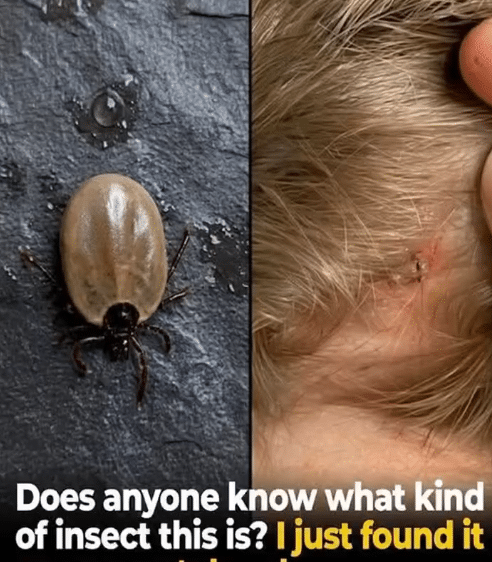
Adult head lice are extremely small—about 2 to 3 millimeters long, or roughly the size of a sesame seed. They are usually tan, grayish, or brown and have six legs adapted to grip human hair. They do not have wings and cannot fly or jump; they move by crawling.
Young lice, called nymphs, look similar to adults but are smaller and can be difficult to see. Because lice move quickly and tend to avoid light, finding one crawling insect can be easier than spotting several at once.
The most reliable sign of an active infestation is a living nymph or adult louse on the scalp or hair. Misidentification is common because dandruff, dried hair products, scabs, sand, and fabric fibers can all resemble lice eggs.
What Are Nits?
Lice eggs are commonly called nits. They are small, oval structures attached firmly to individual hair shafts, usually close to the scalp.
Unlike dandruff, nits generally do not brush or shake away easily. They are glued to the hair and often require a fine-toothed lice comb to remove.
The CDC recommends examining the hair especially carefully behind the ears and around the nape of the neck. Nits found within approximately one-quarter inch of the scalp are more likely to be associated with an active infestation than empty shells located farther down the hair.
Finding a few white specks alone does not always mean a child has active lice. Confirming a crawling insect is the best evidence.
Common Symptoms of Head Lice
Scalp itching is the symptom most people associate with lice, but it may not begin immediately. During a first infestation, it can take several weeks for itching to develop because the irritation is caused by an allergic reaction to louse bites.
Other possible symptoms include:
- A tickling or crawling sensation in the hair
- Difficulty sleeping or unusual irritability
- Small sores caused by scratching
- Redness around the scalp, neck, or ears
- Visible nits attached close to the scalp
Some children have no obvious symptoms, particularly when only a small number of lice are present.
Head lice are unpleasant, but they are not known to transmit disease. Scratching can still damage the skin and occasionally lead to a bacterial infection, so persistent sores, swelling, or drainage should be evaluated by a healthcare professional.
Head Lice Are Not Caused by Dirty Hair
A lice infestation is not a sign that a child is unclean or that the family has neglected hygiene.
Head lice can live in clean or dirty hair. They spread primarily through direct head-to-head contact, which is why they are common among children who play closely together at school, camp, sleepovers, sports activities, or family gatherings.
They may spread less commonly through recently used hats, brushes, towels, pillows, or other items that have contacted an infested person’s hair. They do not come from pets, and household animals do not spread human head lice.
Parents should avoid shaming a child or assuming that a lice diagnosis reflects poor personal care.
Could It Be a Tick Instead?
A tick behaves differently from a head louse.
Lice crawl through the hair and remain close to the scalp, while a tick may become firmly attached to the skin. An attached tick can appear like a small dark bump and may become rounder or larger as it feeds.
Ticks are particularly important to consider when a child has recently played in wooded, grassy, brushy, or leafy areas. They can hide in and around the hair, behind the ears, and along the scalp.
If the insect is embedded in the skin rather than moving through the hair, remove it promptly. The CDC advises using clean, fine-tipped tweezers to grasp the tick as close to the skin as possible, then pulling upward with steady, even pressure. Do not twist, jerk, burn, coat, or smother it with petroleum jelly or nail polish.
Clean the bite area and hands afterward. Seek medical advice if the child develops a rash, fever, or unusual illness during the following days or weeks.
How to Check Your Child’s Hair Properly
Place the child under bright lighting and separate the hair into small sections. A fine-toothed lice comb can make live insects easier to find.
Pay close attention to:
- Behind both ears
- The back of the neck
- The crown of the head
- Hair close to the scalp
- Areas where the child reports itching
Comb from the scalp to the ends of the hair and wipe the comb onto a white paper towel after each pass. A dark moving insect will be easier to see against the light background.
If an insect is found, place it on clear tape or in a sealed container. A pharmacist, pediatrician, school nurse, or other healthcare professional may be able to help identify it.
Do Not Treat “Just in Case”
Lice products should not be applied simply because a parent sees dandruff or an unidentified speck.
Treatments contain active ingredients and must be used exactly as directed. The CDC advises treating confirmed active infestations and consulting a healthcare provider before treating young children.
Both over-the-counter and prescription treatments are available. Some kill lice but not all eggs, which means a second treatment may be required about a week later. Others work differently and may not require retreatment. The package instructions should always determine timing.
Do not repeatedly apply a product when it appears ineffective. Resistance, incorrect use, reinfestation, or a mistaken diagnosis can all cause treatment failure. A doctor or pharmacist can recommend a safer next step.
Home remedies such as mayonnaise, butter, olive oil, gasoline, kerosene, pet flea treatments, or flammable chemicals should never be used. The CDC reports that there is no scientific evidence that food-based suffocation remedies reliably eliminate lice.
How Much Cleaning Is Necessary?
A confirmed lice case does not require throwing away mattresses, furniture, toys, or clothing.
Wash and dry bedding, towels, clothing, and other washable items used by the affected person during the two days before treatment. Combs and brushes can be soaked in hot water. Items that cannot be washed may be sealed in a plastic bag temporarily.
Vacuuming areas where the child recently sat or slept is reasonable, but excessive housecleaning is usually unnecessary because lice do not survive long away from a human scalp. Fumigant sprays and insect foggers are not recommended and can be toxic.
Check other household members, but treat only those with evidence of an active infestation.
Can a Child Still Attend School?
Current CDC guidance states that children with head lice do not need to be sent home early. They can finish the school day, begin appropriate treatment at home, and return after treatment has started.
Many medical and school-health organizations also oppose strict “no-nit” policies because nits may remain after successful treatment, empty egg cases are often mistaken for active lice, and unnecessary absences can disrupt education and family life.
Parents should still notify the school or childcare provider so close contacts can be checked according to local policy.
The Bottom Line
A tiny insect found on a child’s head may be a head louse, particularly if it is sesame-seed-sized, wingless, and crawling through the hair. But it could also be a tick or an unrelated insect.
Do not rely on panic or social-media guesses. Check the scalp carefully, preserve the insect when possible, and confirm its identity before applying treatment.
Head lice are common, manageable, and unrelated to cleanliness. A tick attached to the scalp requires prompt removal and monitoring for symptoms.
The right identification can prevent unnecessary medication, expensive cleaning, missed school days, and stress for the entire family.