Some songs do not need a long running time to become unforgettable. Jim Reeves’ “He’ll Have to Go” lasts only a little over two minutes, yet its emotional impact has endured for more than six decades. With a soft arrangement, a heartbreaking story, and Reeves’ unmistakably smooth voice, the song became one of the most cherished recordings in American country music history.
Released in 1960, “He’ll Have to Go” did not rely on dramatic production, loud vocals, or complicated storytelling. Its power came from restraint. Reeves delivered the song as if he were speaking directly to one listener in a quiet room. That intimate feeling helped transform a simple conversation into a timeless reflection on love, longing, and uncertainty.
A Quiet Song With an Unforgettable Emotional Pull
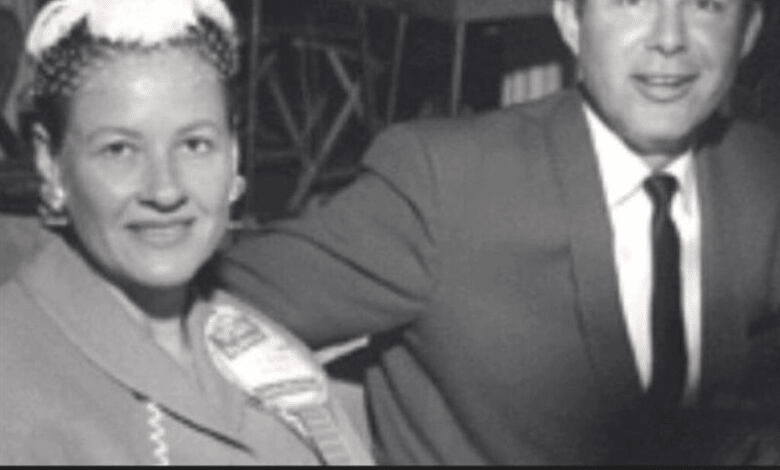
At its heart, “He’ll Have to Go” tells the story of a man speaking to someone he loves over the telephone. The mood is private, tender, and filled with emotional tension. There is no need for grand explanation because the listener can immediately understand what is happening. Someone is trying to hold onto a relationship that may already be slipping away.
That simplicity is part of the reason the song remains so powerful. Many people have experienced the pain of distance, the fear of losing someone, or the hope that one honest conversation might change everything. Reeves captured those emotions without overplaying them.
His voice never sounds forced. Instead, it feels calm, controlled, and deeply sincere. That gentle delivery made the sadness even stronger. Rather than telling listeners how to feel, Reeves allowed them to feel the heartbreak for themselves.
The Voice That Made Jim Reeves “Gentleman Jim”
Jim Reeves had already built a respected career before “He’ll Have to Go,” but the song helped define his legacy. Known as “Gentleman Jim,” Reeves brought elegance and warmth to country music at a time when many performers leaned into rougher vocal styles.
His background in radio played an important role in shaping his sound. Reeves understood microphone technique, pacing, and emotional timing. He knew that a singer did not need to overpower a song to make it memorable. Sometimes, the most powerful performance is the one that sounds almost whispered.
That approach made him stand apart. His polished style appealed not only to country audiences but also to listeners who enjoyed pop, easy listening, and traditional American standards. In many ways, Reeves helped expand the commercial reach of country music while keeping its emotional honesty intact.
The Story Behind the Song
The inspiration for “He’ll Have to Go” came from songwriters Joe Allison and Audrey Allison. The song was reportedly sparked by a real-life moment involving a telephone conversation, where a man’s emotional plea became the foundation for the song’s intimate opening idea.
That everyday setting made the song feel believable. It was not written like a fantasy or a dramatic movie scene. It felt like something that could happen to anyone. A late-night phone call. A relationship in trouble. A person hoping the one they love will choose them over someone else.
Producer Chet Atkins helped shape the final recording with a smooth, understated arrangement. The instrumentation stayed soft and supportive, never competing with Reeves’ voice. Every element served the emotion of the song.
That careful production became one of the reasons the record aged so well. It still sounds elegant today because it was never built around trends. It was built around feeling.
A Major Hit That Helped Shape Country Music
“He’ll Have to Go” became a massive success. It reached the top of the country charts and also crossed over into the pop market, proving that country music could connect with a wide mainstream audience.
That crossover success was significant for the music business. It showed record labels, radio programmers, and artists that country songs could perform well beyond traditional country stations. In today’s entertainment industry, where streaming royalties, music publishing rights, and catalog value are major parts of personal finance and long-term income planning for artists, Reeves’ success stands as an early example of how a timeless recording can continue to generate cultural and financial value for decades.
The song also became closely associated with the Nashville Sound, a smoother style of country music that blended traditional emotion with polished production. This approach helped bring country music into more homes across America and opened doors for future stars who would later blend country, pop, and other genres.
A Legacy Carried Through Generations
Over the years, many artists have recorded versions of “He’ll Have to Go,” including major names from different musical backgrounds. Each version proves the strength of the song itself. Still, for many fans, Jim Reeves’ original remains the definitive recording.
The reason is simple: Reeves made the song feel personal. His performance did not sound like acting. It sounded like confession. He gave the listener just enough emotion without making the song feel overly dramatic.
That kind of restraint is rare. In a world filled with fast entertainment, viral trends, and constant noise, “He’ll Have to Go” still feels refreshing because it asks listeners to slow down. It proves that a song does not need to be long, loud, or complicated to leave a permanent impression.
Jim Reeves’ Life Ended Too Soon
Tragically, Jim Reeves died in a plane crash in 1964 at only 40 years old. His passing shocked fans and left the music world wondering what more he might have created. Even so, his legacy remained strong.
His recordings continued to be played on radio, collected by fans, and discovered by new generations. “He’ll Have to Go” became more than just a hit single. It became a piece of American music history.
Younger listeners continue to find the song through streaming platforms, family playlists, classic country collections, and online videos. Many are surprised by how modern the emotion still feels. The sound may belong to another era, but the feeling is timeless.
Why the Song Still Matters Today
The lasting beauty of “He’ll Have to Go” lies in its honesty. It captures a moment that is both specific and universal. The listener can imagine the phone call, the silence, the hesitation, and the hope that love may not be completely lost.
Jim Reeves did not need to raise his voice to make people listen. He understood that heartbreak often speaks softly. That is why the song continues to stay with people long after it ends.
At just two minutes and eleven seconds, “He’ll Have to Go” proves that great music is not measured by length. It is measured by memory, emotion, and the way a song can remain alive in people’s hearts for a lifetime.
More than sixty years later, Jim Reeves’ unforgettable classic still reminds us that sometimes the quietest songs leave the deepest mark.


