For decades, toilet paper has been an unquestioned staple of households worldwide. It sits quietly in bathrooms, stocked automatically during grocery trips, used without thought, and rarely reconsidered. But as environmental awareness grows, even this most mundane product is being reexamined. People are beginning to ask: is there a better, more sustainable way to handle personal hygiene?
Why Toilet Paper Is Under Scrutiny
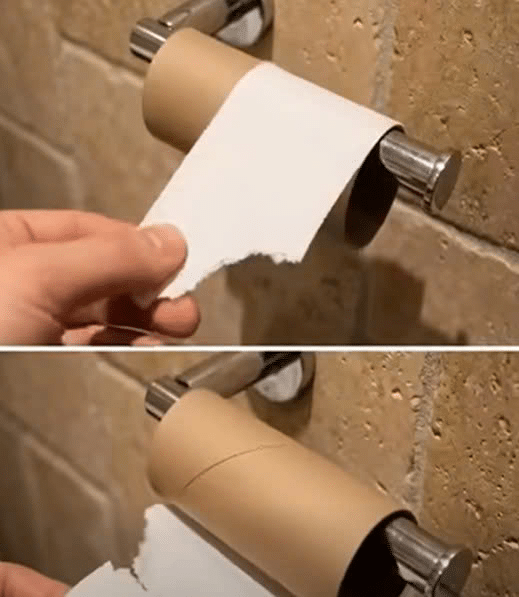
The concern isn’t that toilet paper is inherently harmful. It’s about scale. Millions of households use it daily, and that massive demand has environmental consequences. Producing toilet paper requires raw materials, energy, and water. Trees are harvested, processed into pulp, bleached, pressed, dried, and packaged—all steps that consume resources. When multiplied by global consumption, the impact becomes substantial.
Deforestation is a key issue. Forests absorb carbon dioxide and support biodiversity, making their preservation critical. Even with recycled fibers or sustainable forestry, the resource demand remains high. Water usage is another consideration: ironically, producing a product used for mere seconds consumes vast quantities of water during manufacturing. Energy consumption and transportation further increase the environmental footprint, as rolls are packaged, shipped, and stocked across the globe.
Some consumers are also wary of chemical additives like fragrances and bleaching agents. Awareness of these factors is encouraging households to explore alternatives that give them more control over hygiene and environmental impact.
Water-Based Cleaning: A Global Standard
One of the most widely discussed alternatives is water-based cleaning. Bidets, handheld sprayers, and specialized toilets have long been standard in Asia, the Middle East, and parts of Europe. These systems use water instead of paper, reducing waste and providing a more thorough cleaning experience.
Bidets and modern attachments have grown increasingly popular in countries where toilet paper has traditionally dominated. They are affordable, easy to install, and require minimal plumbing changes. Homeowners curious about the switch can often fit a bidet attachment in under 10 minutes, making adoption straightforward.
Travel experiences also contribute to growing interest. Visitors to countries like Japan, South Korea, and Italy are frequently impressed by the convenience and comfort of water-based systems. Japan, in particular, has become known for high-tech toilets with built-in water cleaning, adjustable temperatures, and other features that elevate hygiene standards. Travelers returning home often seek to replicate these modern solutions, further spreading the trend.
Reusable Cloth Options
Another alternative gaining attention is reusable cloth. These are washable fabrics used in place of disposable paper. While unconventional to some, reusable systems appeal to households focused on sustainability.
Cloth options reduce waste significantly and can lower long-term costs since the same material can be used repeatedly. For families already accustomed to cloth napkins, kitchen towels, or washable cleaning cloths, this approach can feel like a natural extension of eco-conscious living. The main advantage is reducing single-use products while maintaining hygiene.
A Mixed Approach for Modern Bathrooms
Households may combine methods, using bidets while keeping a small supply of toilet paper for convenience or travel. Others gradually integrate reusable materials while reducing overall paper consumption. Factors such as plumbing, personal comfort, budget, and cultural norms influence what works best for each home.
What’s clear is that bathroom habits are becoming a conscious choice rather than an automatic routine. People are reconsidering long-standing practices in light of environmental impact, echoing broader trends in daily life. Just as reusable shopping bags, refillable water bottles, and energy-efficient appliances have reshaped habits, toilet paper alternatives are part of this shift toward thoughtful consumption.
Why This Matters
Exploring alternatives to toilet paper isn’t about rejecting convenience or embracing extremes. It’s about reducing waste, conserving resources, and making environmentally conscious decisions. Even small adjustments—like switching to a bidet or trying washable cloth—can contribute to meaningful cultural change when adopted widely.
The rising interest in water-based systems and reusable options demonstrates that people are willing to adapt their routines when they understand the consequences of their choices. This reflects a broader desire to live comfortably while minimizing harm to the planet.
Ultimately, the bathroom of the future may look very different. Bidets, reusable cloths, or a combination of both could replace the ubiquitous toilet paper roll. What was once unthinkable is now becoming practical, reflecting a world where small habits are reconsidered in favor of sustainability.
Sometimes, meaningful change begins with questioning the ordinary—like asking what comes after toilet paper.


