Most people don’t think about snakes… until one suddenly slithers across the lawn, garden, or patio. That unexpected moment can be shocking, especially if it happens near children, pets, or your home.
The truth is, snakes usually aren’t trying to harm anyone. They are simply searching for food, warmth, shelter, or protection. When a snake shows up in your yard, it’s often a sign that the environment is attractive to them, not a sign of bad luck or danger.
Fortunately, there are safe, simple ways to make your yard less inviting to snakes — without using harsh chemicals.
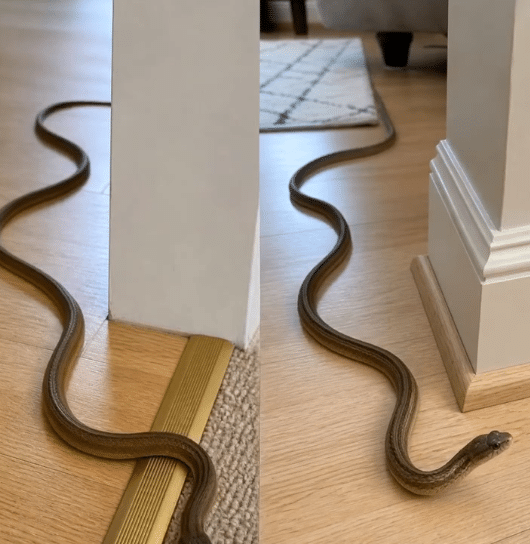
Why Snakes Come Into Your Yard
Snakes are drawn to three main things:
- Food: Rodents are a primary food source. If your yard has mice, rats, or spilled birdseed, snakes will follow the easy meal. Bird feeders can unintentionally create this problem, as seeds falling on the ground attract rodents.
- Shelter: Tall grass, woodpiles, thick weeds, and cluttered corners provide snakes with safe hiding spots. Overgrown areas feel protected, while trimmed and organized spaces make snakes feel exposed and more likely to move on.
- Water and Moisture: Snakes like cool, damp areas. Leaky hoses, puddles, ponds, or areas with constant moisture can attract snakes and the animals they hunt.
Simple Ways to Make Your Yard Less Inviting
You don’t need toxic sprays or aggressive measures. These simple habits help reduce snake activity naturally:
- Trim grass and remove weeds: A tidy yard removes hiding spots.
- Control rodents: Keep birdseed contained and avoid leaving pet food outdoors.
- Seal gaps in your home: Close openings near foundations, vents, or doors.
- Keep wood and debris organized: Elevate firewood and remove unused tarps, bricks, or flowerpots.
- Use natural deterrents: Plant lemongrass or apply citrus sprays around porches; some people also use cinnamon or clove oil sprays.
- Maintain ponds and water features: Avoid stagnant water and trim vegetation around ponds.
Consistency is key. A single cleanup isn’t enough — snakes will return if the yard is neglected again.
The Role of Pets and Awareness
Dogs and cats may alert you to snake activity, but it’s safer not to let them confront the animal. In regions with venomous snakes, learn which species are common. This helps you respond appropriately without panic.
Remember: most snakes are harmless and even help control pests. The goal is not to harm them — it’s to encourage them to move to more suitable habitats naturally.
A Calm, Preventive Approach
The best strategy isn’t fear or chemicals. It’s prevention:
- Remove food sources
- Reduce shelter opportunities
- Maintain a tidy yard
- Seal entry points
Once these conditions are gone, snakes are likely to leave on their own.
By making your yard less inviting, you get peace of mind, your pets stay safe, and snakes remain protected in their natural habitats.
Small, consistent efforts often work better than aggressive, one-time solutions. A clean, organized, and well-maintained yard naturally discourages snakes while keeping your family and wildlife safe.


