For generations of Americans, the annual Guinness World Records book was a familiar sight.
It appeared in school libraries, family living rooms, and holiday gift piles. Children turned its pages in wonder, searching for the fastest, strongest, oldest, smallest, and tallest people on Earth.
Behind every remarkable measurement, however, was a real person whose life could never be reduced to a single number.
Lindsay Kay Hayward understands that better than most.
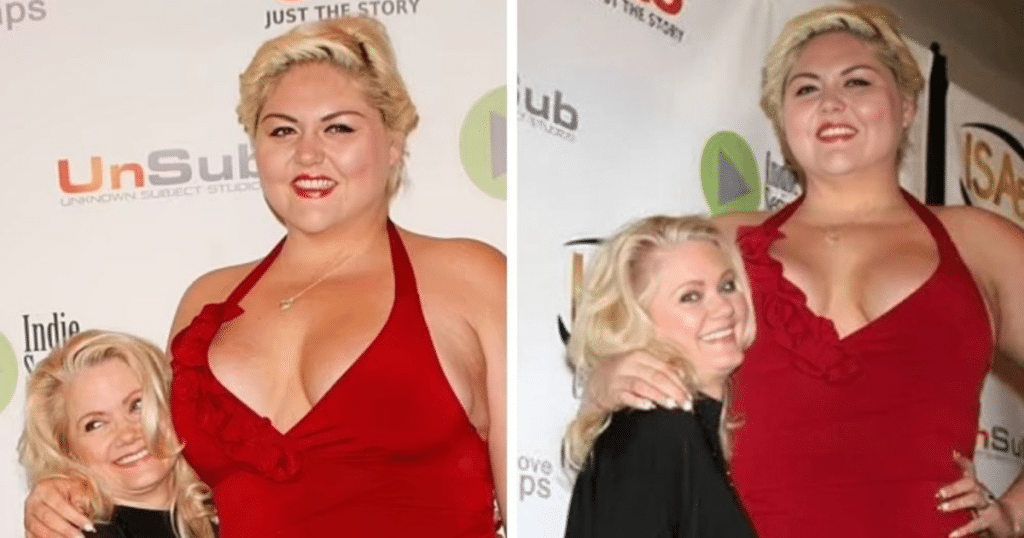
At more than six feet eight inches tall, the American actress has spent much of her life attracting attention before she has spoken a word. Yet rather than allowing her height to limit her opportunities, she turned the characteristic that once made her feel different into the foundation of an unusual career.
The Woman Behind the World Record
Guinness World Records officially recognizes Hayward as the tallest actress in a leading role.
Her verified measurement was 203.84 centimeters, or 6 feet, 8.25 inches. The record was established in Los Angeles in November 2013.
That distinction arrived after Hayward appeared in the Japanese film R100, directed by Hitoshi Matsumoto. Her professional résumé lists her role as a commanding chief executive, while Hayward’s official website credits the film with earning her the record.
Video: One of the Tallest Women in US Talks Dating: ‘I Put Him on a Curb’ for a Kiss
The achievement was more than an entertaining piece of movie trivia.
Hollywood has traditionally preferred performers who fit easily into established visual expectations. Sets, costumes, camera positions, and romantic pairings are often designed around a relatively narrow range of body types.
Hayward could not disappear into that system.
The camera had to acknowledge her presence.
Growing Up When Every Room Felt Too Small
Hayward has said that she reached six feet in height by the age of nine. On her personal website, she recalled outgrowing the women in her family by that age and the men soon afterward. By 12, she was approximately six feet seven inches tall.
For a child, being noticeably different can feel far more difficult than adults realize.
School hallways have their own unwritten rules. Young people often want to blend in, wear what their friends wear, and pass through a room without becoming the center of attention.
Hayward never had that option.
She has written openly about being stared at, teased, and treated differently during her school years. Even adults sometimes responded to her height without the sensitivity a young girl deserved.
Older readers may remember a time when schools offered fewer conversations about bullying, self-image, and emotional well-being.
Children were often told simply to ignore hurtful words or become tougher. Yet comments made during those vulnerable years can remain in a person’s memory long after classmates have forgotten saying them.
Hayward eventually found inspiration in powerful fictional women, including Wonder Woman, Xena, and the groundbreaking professional wrestler Chyna. Instead of viewing unusual height and strength only as burdens, she began imagining how those qualities could become advantages.
Finding a Place in Professional Wrestling
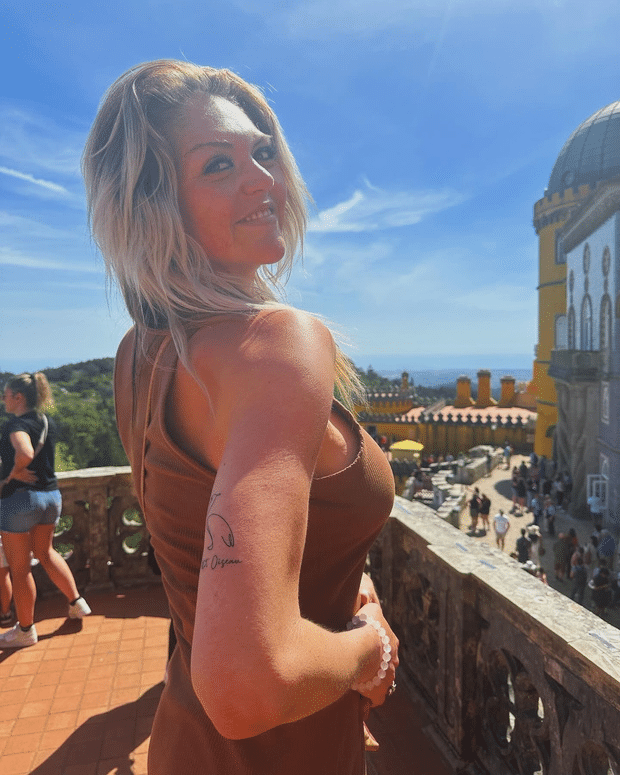
Before becoming widely known as an actress and reality television personality, Hayward entered professional wrestling.
She performed under names including Isis the Amazon and Aloisia. Her professional materials document appearances connected with WWE’s developmental television program, as well as matches and performances for other wrestling organizations.
Wrestling provided a world in which size, strength, and theatrical presence were not inconveniences.
They were assets.
For audiences who remember the larger-than-life wrestling personalities of the 1980s and 1990s, that appeal is easy to understand. Professional wrestling blended athletic ability with costume, storytelling, humor, and spectacle.
A performer did not succeed by fading into the background.
She succeeded by entering the arena in a way no one could forget.
Hayward’s height made that possible from the moment she appeared.
Moving From the Ring to the Screen
The skills required for wrestling and acting are more closely connected than they may first appear.
Both require physical awareness, timing, confidence, and the ability to communicate emotion to an audience. A wrestler must tell a story through movement, while an actor must understand how even a small gesture will appear on camera.
Hayward carried that experience into film and television.
In addition to R100, her résumé includes The Internship Games. Her professional materials also document her work on Grey’s Anatomy and her appearances in reality television.
Her guest role on Grey’s Anatomy gave her an opportunity to perform dramatic material rather than appearing only as a visual novelty. Her official website announced the role in 2015 and explained that she would portray a notably tall patient in the long-running medical drama.
That distinction matters.
Performers with unusual physical characteristics are often offered roles that focus only on appearance. Their characters may enter a scene merely to surprise the audience, deliver a joke, or provide a visual contrast.
A meaningful acting career requires more.
It requires characters with fears, ambitions, relationships, and inner lives.
Inviting Viewers Into My Giant Life

Hayward later became part of TLC’s reality series My Giant Life.
Her official website announced her casting in 2015, describing a program about exceptionally tall women and the everyday situations they encountered.
The show revealed practical challenges that shorter viewers might never consider.
Airplane seats, clothing sizes, beds, cars, mirrors, counters, and doorways are generally designed around average measurements. Something as ordinary as sitting beneath a salon hair dryer can become physically uncomfortable when a person’s frame does not fit the equipment.
Hayward has described these moments with humor, but the underlying issue is serious.
The world often calls people “unusual” when the real problem is that products and spaces were designed without considering them.
Reality television can sometimes exaggerate differences for entertainment. At its best, however, it can also introduce audiences to experiences they would otherwise never encounter.
For viewers who watched My Giant Life, Hayward was not merely a measurement printed in a record book.
She was a woman navigating work, relationships, public attention, and daily inconveniences with a mixture of confidence and vulnerability.
Why Representation Is About More Than Visibility
Seeing a very tall woman on screen may seem like a small matter.
For a child growing up with the same characteristic, it can mean something much larger.
Older generations had fewer opportunities to see a wide variety of body types represented respectfully in entertainment. Leading women were expected to remain within narrow standards of height, age, weight, and appearance.
Those expectations shaped not only casting decisions but also the way ordinary women viewed themselves.
Hayward’s career challenged the assumption that a woman must make herself appear smaller to be accepted.
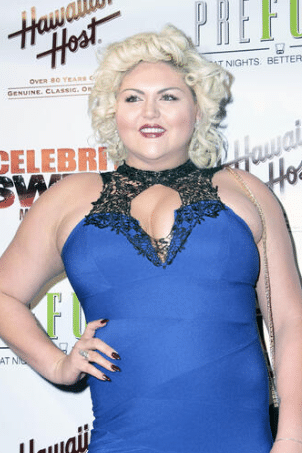
Her presence could not be disguised through careful camera angles. Costumes had to be designed for her. Other performers had to adjust their positions. Directors had to compose scenes differently.
Rather than shrinking to fit the production, the production had to expand to include her.
That is a meaningful form of representation.
The Difference Between Being Seen and Being Understood
Public attention is not always the same as respect.
A person who is unusually tall may be noticed everywhere while still feeling misunderstood. Strangers may stare, take unauthorized photographs, or ask personal questions they would never ask someone of average height.
The original article’s “paparazzi” framing illustrates this problem.
The most interesting part of Hayward’s story is not that someone photographed a tall woman in public. It is how she built a career while living with a level of attention most people never experience.
A respectful profile does not treat her body as a mystery to solve.
It recognizes her as a performer, athlete, television personality, and woman who gradually learned to claim the space she had once been encouraged to minimize.
Turning an Old Insult Into a Source of Strength

Hayward has written about being compared with giant fictional creatures when she was younger.
Those remarks once hurt her. As an adult, she began reconsidering the meaning behind them.
Rather than allowing the comparison to remain an insult, she imagined herself playing powerful characters—warriors, superheroes, and larger-than-life figures who could dominate the screen.
There is something deeply American about that transformation.
Many familiar success stories begin with a characteristic others dismissed as a weakness. A distinctive voice, unconventional appearance, unusual background, or difficult childhood later becomes the quality that separates one person from everyone else.
That does not mean the earlier pain was necessary or harmless.
It means the person survived it and eventually decided what the experience would mean.
Hayward’s record belongs to that larger story.
More Than Six Feet Eight Inches
Numbers are easy to remember.
They fit neatly into headlines, biographies, and record books.
A human life does not.
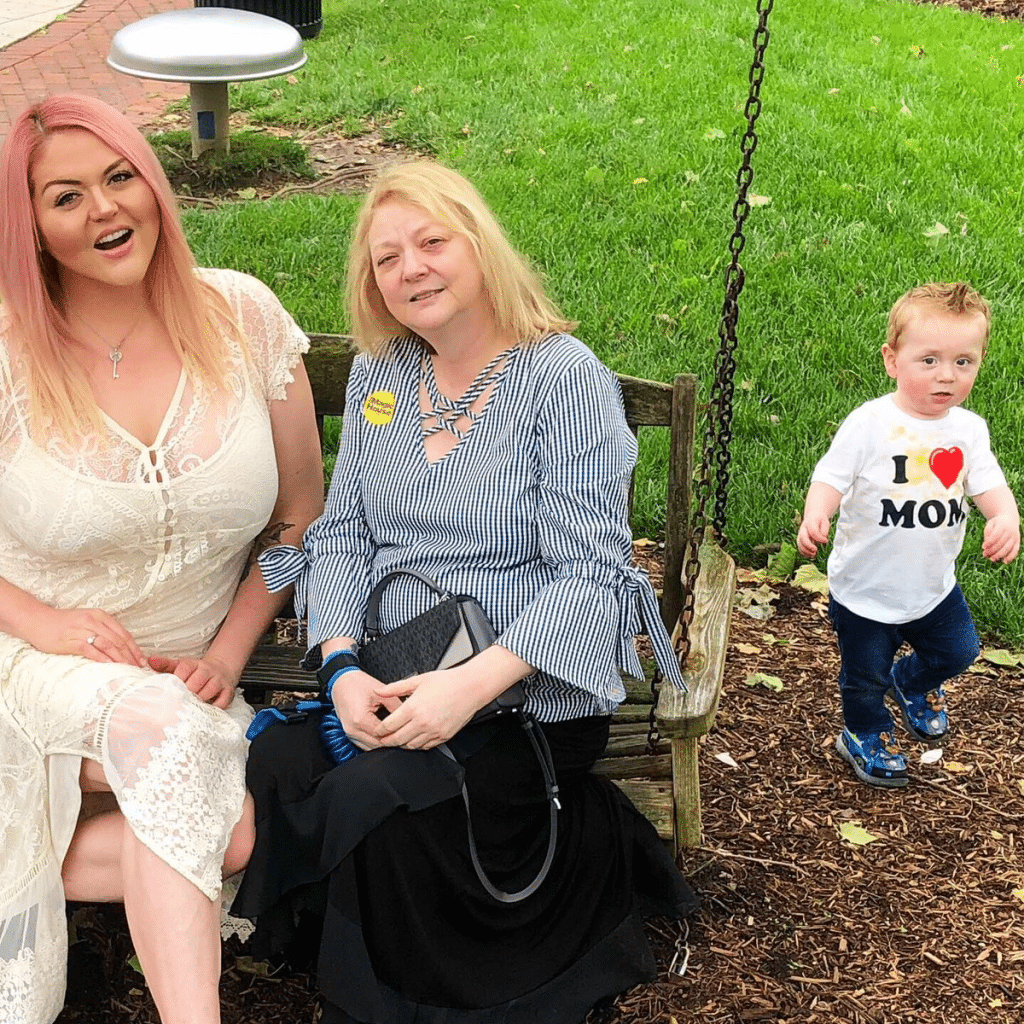
Lindsay Kay Hayward’s verified height earned her a place in Guinness World Records, but the measurement alone cannot describe the determination required to stand before cameras after years of unwanted attention.
It cannot explain the confidence needed to enter a wrestling ring, act in an international film, or allow television viewers into parts of one’s daily life.
Most importantly, it cannot measure the effect her visibility may have on someone else.
Somewhere, a very tall young girl may see Hayward on screen and understand that being different does not require an apology.
She may realize that a room feeling too small does not mean she is too large.
Sometimes the room simply needs to change.
A Record That Tells a Larger Story
The old Guinness books celebrated extremes because they inspired wonder.
They reminded readers that human beings could be astonishingly fast, strong, persistent, creative, and physically unique.
Hayward’s achievement continues that tradition, but her story offers an additional lesson.
Standing out can be lonely before it becomes empowering.
Confidence may arrive slowly, built through years of uncomfortable encounters and deliberate choices. The qualities that make childhood difficult can later create opportunities no one else could fill.
Lindsay Kay Hayward did not become memorable by fitting Hollywood’s traditional frame.
She became memorable by forcing that frame to grow around her.
And perhaps that is the most meaningful record of all: not simply being measured as the tallest actress in a leading role, but learning to occupy her full place in a world that once seemed determined to make her feel too visible.