It began like any normal Wednesday morning.
My mom was standing in front of the mirror, brushing her hair before leaving for a brunch date. She was not looking for anything unusual. She was not worried about her scalp. She was simply getting ready for the day.
Then her fingers paused.
It did not feel like a knot. It was not a dry patch or a flaky spot. It felt like nothing at all — a small, smooth area where hair should have been.
She leaned closer to the mirror, parted the hair near the crown of her head, and gasped.
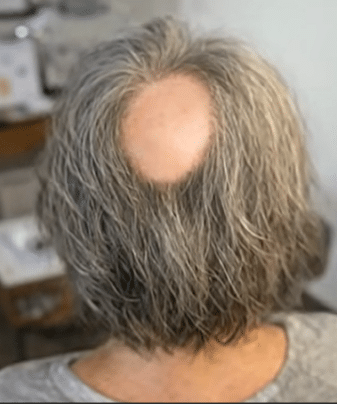
There it was: a perfectly round bald spot about the size of a quarter. The skin looked smooth and clean. There was no redness, no scabbing, no broken hairs, and no obvious irritation. It looked almost polished, like the hair had simply vanished overnight.
For a moment, she stood frozen.
In a world where people track their steps, sleep, calories, heart rate, and even stress levels through smart devices, a sudden physical change like this can feel frightening. It feels like the body is sending a message without explaining what it means.
The internet is full of hair growth oils, gummies, shampoos, and miracle treatments. But a smooth, round bald spot is not something to dismiss or cover up without understanding the cause.
Sometimes, it may be temporary. Sometimes, it may be connected to stress, illness, hormones, nutrition, or an immune system response. And sometimes, it may be a sign of a condition called alopecia areata.
The Most Common Possibility: Alopecia Areata
When a person develops a round, smooth patch of hair loss, one of the first conditions a dermatologist may consider is alopecia areata.
Alopecia areata is different from typical age-related thinning or male-pattern hair loss. It is usually considered an autoimmune-related condition, meaning the body’s immune system mistakenly targets the hair follicles. Instead of attacking only germs or viruses, the immune system becomes confused and interferes with normal hair growth.
The important thing to understand is that the follicle is usually not destroyed.
In many cases, it is more like the hair follicle has gone quiet. Because the skin is smooth and not scarred, there may still be a real chance for hair to grow back. This is why getting a proper diagnosis matters. The right treatment plan can help calm inflammation and support regrowth.
One clue doctors may look for is the presence of short hairs around the edge of the patch. These are sometimes described as “exclamation point hairs” because they appear thinner near the scalp and wider at the top. A dermatologist can examine the area closely and decide whether the pattern fits alopecia areata or something else.
Why a Smooth Bald Spot Feels So Alarming
Hair is emotional.
Even a small bald spot can affect confidence, mood, and self-image. For many women, hair is connected to identity, beauty, age, and health. That is why a quarter-sized patch can feel much bigger than it looks.
My mom tried to stay calm, but I could see the worry in her face. She kept touching the spot, parting her hair again and again, hoping she had imagined it.
She had not.
Still, a sudden bald spot is not automatically a disaster. It is a signal. The body may be reacting to something internal, and the best response is not panic. The best response is to pay attention, document the change, and schedule a visit with a medical professional.
This is especially important because not all hair loss is the same. Treating the wrong condition with random products can waste money and delay proper care. In personal finance terms, buying every advertised “hair growth” product online can quickly become an expensive mistake. A dermatologist visit may be the smarter investment because it helps identify the real cause before spending money on treatments that may not help.
Other Causes Doctors May Consider
A smooth, round patch often points doctors toward alopecia areata, but it is not the only possible explanation.
If the area is red, itchy, scaly, or has broken hairs, a fungal infection may be considered. This type of condition can require prescription treatment and may be contagious, so it should not be ignored.
If hair loss appears near the temples, hairline, or edges of the scalp, doctors may ask about tight hairstyles, braids, ponytails, extensions, or repeated pulling. This can lead to traction-related hair loss over time.
If there are hairs of different lengths or signs that hair has been pulled or broken, a condition related to compulsive hair pulling may also be discussed.
Hormonal changes, thyroid issues, low iron, certain medications, recent illness, major stress, and nutritional deficiencies can also contribute to hair shedding or patchy hair loss. That is why a doctor may recommend blood work or ask detailed questions about recent health changes.
The key point is simple: the texture and appearance of the spot matter. Smooth skin without scarring can be encouraging, but it still deserves proper evaluation.
Stress, Illness, and the Body’s Warning Signs
Many people immediately blame stress when they notice hair loss. Stress can play a role, but it is not always the only factor.
Sometimes the body responds to long-term pressure slowly. It may not be one dramatic event. It may be months of poor sleep, caregiving responsibilities, financial stress, work pressure, family conflict, or emotional exhaustion. Over time, that constant strain can affect the immune system, hormones, and overall health.
Illness can also be a trigger for some people. After infections, fevers, or periods of inflammation, the body may respond in unexpected ways. Hair changes can sometimes appear weeks or months after the original stressor.
That does not mean anyone should self-diagnose. It simply means the body and mind are connected more deeply than many people realize.
My grandmother used to call unexplained hair loss a “thinking patch.” She believed it showed up when someone had been carrying too much worry for too long.
Her advice was simple: rest, eat well, breathe, and stop pretending everything is fine.
She was not a doctor, but there was wisdom in her words.
Treatment Options a Dermatologist May Discuss
The good news is that many cases of small, patchy hair loss can improve, especially when the follicles are still active.
A dermatologist may recommend several options depending on the diagnosis and severity. For alopecia areata, common treatments may include corticosteroid injections into the affected patch, topical anti-inflammatory medication, or other prescription therapies designed to calm the immune response.
In more extensive cases, newer immune-targeting medications may be discussed. These treatments are not for everyone and require medical supervision, but they have changed the conversation around more serious forms of alopecia areata.
Some people may also explore supportive options such as gentle scalp care, avoiding harsh hairstyles, improving nutrition, managing stress, and treating any underlying health condition. Red light therapy is sometimes discussed as a supportive treatment, though results can vary.
In small isolated patches, doctors may also recommend watchful waiting. Some people experience regrowth without aggressive treatment. However, waiting should still be done with guidance, especially if the patch grows, new spots appear, or other symptoms develop.
What My Mom Needed Most
More than anything, my mom needed reassurance and a plan.
She did not need panic. She did not need random advice from strangers online. She did not need a cabinet full of expensive oils, supplements, or miracle products.
She needed someone to say, “Let’s take a photo of it, let’s monitor it, and let’s make an appointment.”
That simple plan helped her breathe again.
A smooth bald spot can feel scary, but it does not have to define anyone. It is not a personal failure. It is not something to be ashamed of. It is a health signal that deserves attention.
The Takeaway
A perfectly smooth, round bald spot on the scalp may be linked to alopecia areata, but only a qualified medical professional can confirm the cause. The best first step is to see a dermatologist, especially if the spot grows, becomes painful, changes color, or if more patches appear.
Hair loss can touch every part of life — confidence, emotional health, relationships, medical costs, insurance concerns, and personal finance decisions. But the right information can prevent fear from taking over.
My mom’s small bald spot reminded us of something important: the body often whispers before it shouts.
When it does, we should listen.


