Raw vegetables are often praised as some of the healthiest foods you can eat.
They are rich in fiber, vitamins, minerals, antioxidants, and water. They can support digestion, heart health, weight management, and overall wellness. A fresh plate of vegetables can be one of the simplest ways to improve your daily diet.
But “healthy” does not always mean “safe to eat without preparation.”
Some vegetables grow close to soil, in muddy water, or in warm, humid environments where bacteria, parasite eggs, and other contaminants may survive. If these vegetables are eaten raw without proper washing—or without cooking when needed—they may increase the risk of stomach pain, diarrhea, foodborne illness, or parasitic infection.
The goal is not to scare people away from vegetables.
The goal is to prepare them correctly.
The FDA recommends washing all produce thoroughly under running water before preparing or eating it and advises against using soap, detergent, or commercial produce washes because produce can absorb residues. FoodSafety.gov also recommends rinsing fruits and vegetables under running water, scrubbing firm produce with a clean brush, and drying produce with a clean towel or paper towel.
Here are five vegetables that deserve extra care before being eaten raw.
1. Water Chestnut
Water chestnuts are crunchy, slightly sweet, and popular in many Asian dishes. They are often added to stir-fries, soups, salads, and appetizers for texture.
However, water chestnuts grow in aquatic or muddy environments such as ponds, marshes, and flooded fields. Because of that, their outer surface may come into contact with contaminated water, soil, animal waste, or parasite eggs.
Eating raw water chestnuts without careful cleaning may increase the risk of ingesting harmful organisms.
For better safety, wash them thoroughly, peel them properly, and cook them before eating when possible. Cooking helps reduce the risk from many microorganisms that simple rinsing may not fully remove.
If you enjoy the crisp texture, lightly cooking them can still preserve much of their crunch while making them safer.
2. Water Celery
Water celery is used in soups, stir-fries, hot pots, and some fresh vegetable dishes. Its bright flavor makes it popular, but its growing environment can create food safety concerns.
Because water celery grows in wet areas, it may be exposed to contaminated water or organisms associated with aquatic environments. In some regions, raw aquatic plants have been linked with parasite concerns, including flukes. Cleveland Clinic notes that liver flukes are parasitic worms that can infect the liver, gallbladder, and bile ducts, and that people can become infected from certain uncooked or undercooked freshwater foods, including watercress.
This does not mean every bunch of water celery is dangerous.
It means source and preparation matter.
Avoid eating raw water celery from unknown or questionable sources. Wash it carefully under running water, remove damaged sections, and cook it when possible, especially for children, older adults, pregnant people, or anyone with a weakened immune system.
3. Arrowhead or Aquatic Root Vegetables
Arrowhead and similar aquatic root vegetables are enjoyed in many traditional dishes. They can be nutritious and flavorful, but they often grow in wet soil or shallow water where contamination may occur.
Because these vegetables develop underground or underwater, mud and debris can cling to their surface. Parasite eggs, bacteria, and other contaminants may be hard to see with the naked eye.
For this reason, they should be scrubbed thoroughly, peeled when appropriate, and cooked before eating.
Raw preparation is riskier when the vegetable comes from open water, wet markets, untreated irrigation areas, or unknown farms. Even if the vegetable looks fresh and clean, invisible contamination may remain.
Cooking is one of the simplest ways to reduce risk.
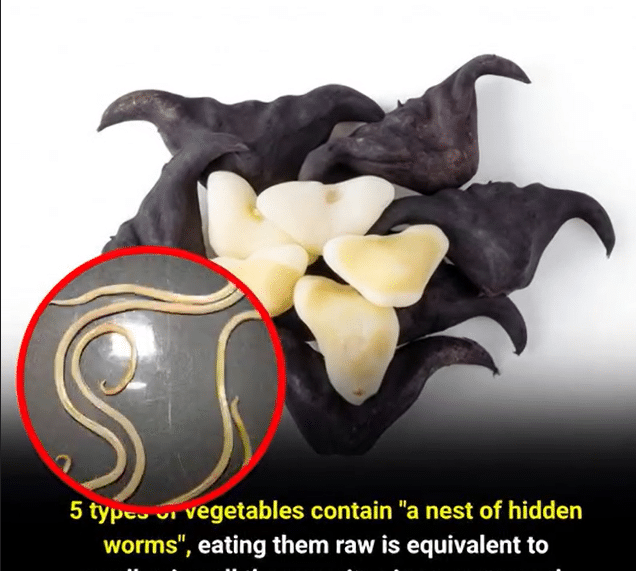
4. Water Caltrop
Water caltrop is known for its distinctive shape and mildly sweet, nutty flavor. In some places, people enjoy it boiled, roasted, or occasionally fresh.
But like other aquatic foods, water caltrop grows in muddy ponds or slow-moving water. That environment may allow parasites and other organisms to attach to the surface.
Eating it raw or underprepared can be risky, especially if it has not been cleaned properly or comes from contaminated water.
The safer approach is to wash it well, remove mud from crevices, and cook it thoroughly. Boiling or steaming helps make it safer and easier to digest.
People with sensitive digestion should be especially cautious with raw aquatic vegetables because even a small amount of contamination may lead to stomach discomfort or diarrhea.
5. Lotus Root
Lotus root is crisp, beautiful when sliced, and widely used in soups, stir-fries, pickles, and salads.
It grows underwater in muddy ponds and lakes, which means it can be exposed to bacteria, parasite eggs, and other contaminants from the water or soil. The holes and inner channels in lotus root can also trap dirt, making careful cleaning especially important.
Raw lotus root may look clean after a quick rinse, but mud or microorganisms can remain inside the holes or on the surface.
For better safety, wash lotus root thoroughly, peel it, rinse the holes carefully, and cook it before eating. Boiling, steaming, stir-frying, or adding it to soups can reduce risk while keeping its appealing texture.
If lotus root has a strange smell, slimy texture, discoloration, or signs of spoilage, it should not be eaten.
Why Aquatic Vegetables Need Extra Care
Many vegetables are safe and healthy when washed and prepared properly. But vegetables grown in water or damp soil may carry greater contamination risk because parasites and bacteria can survive in moist environments.
This is especially true when water sources are polluted, fields are fertilized with untreated waste, or produce is transported and handled without good sanitation.
Recent food safety reporting from Thailand described concerns after testing found parasite eggs and larvae in several raw vegetables sold in markets, leading health experts to urge careful washing and cooking where appropriate. While contamination levels vary by region and source, the general safety message applies broadly: raw produce should be handled carefully.
How to Reduce the Risk Before Eating Vegetables
The safest preparation depends on the type of vegetable, where it came from, and whether it will be eaten raw or cooked.
Start by washing your hands before handling produce. Then rinse vegetables thoroughly under running water. For firm vegetables, use a clean produce brush to remove dirt. Cut away bruised or damaged areas, because bacteria can hide there.
For aquatic roots or stems, peel when appropriate and rinse hidden spaces carefully. With lotus root, for example, pay attention to the holes and inner surfaces.
Do not use soap, bleach, or household cleaners on produce. The FDA warns that produce can absorb soap or detergent residues, which may make you sick.
Cooking is the best option for higher-risk aquatic vegetables, especially if the source is uncertain.
Who Should Be More Careful?
Some people are more vulnerable to foodborne illness and should be extra cautious with raw vegetables.
This includes young children, older adults, pregnant people, and people with weakened immune systems. Anyone with liver disease, kidney disease, cancer treatment, immune-suppressing medication use, or serious chronic illness should be careful with raw produce from uncertain sources.
For these groups, cooking higher-risk vegetables is usually safer than eating them raw.
Symptoms to Watch For
If contaminated food causes illness, symptoms may include diarrhea, stomach cramps, nausea, vomiting, fever, fatigue, or loss of appetite.
Some parasitic infections can cause longer-lasting digestive symptoms. In certain infections, symptoms may come and go or appear days to weeks after exposure.
Seek medical care if you have severe diarrhea, blood in stool, dehydration, persistent vomiting, high fever, severe abdominal pain, yellowing of the skin or eyes, or symptoms that do not improve.
Do not try to diagnose a parasitic infection on your own. A healthcare professional may need stool tests, blood tests, or other evaluation.
Raw Vegetables Can Still Be Healthy
This article is not a warning to stop eating vegetables.
Vegetables are an important part of a balanced diet. The point is that preparation matters, especially with foods grown in water, mud, or close to soil.
Raw salads, herbs, and fresh vegetables can be safe when sourced carefully and washed properly. But some vegetables are better cooked, particularly aquatic ones such as water chestnut, water celery, arrowhead, water caltrop, and lotus root.
A few extra minutes of cleaning and cooking can help protect your family while still allowing you to enjoy nutritious foods.
The Bottom Line
Raw vegetables are not automatically unsafe, but they are not automatically risk-free either.
Some vegetables may carry parasites, bacteria, or worm eggs if they are grown in contaminated soil or water and eaten without proper preparation. Aquatic vegetables deserve special attention because their growing environments can make contamination more likely.
Wash produce under running water.
Peel or scrub when needed.
Avoid unknown or dirty sources.
Cook higher-risk vegetables when possible.
Healthy eating is not just about what you eat. It is also about how safely you prepare it.
Disclaimer: This article is for informational purposes only and is not medical advice. If you experience persistent digestive symptoms or suspect a foodborne infection, consult a qualified healthcare professional.


