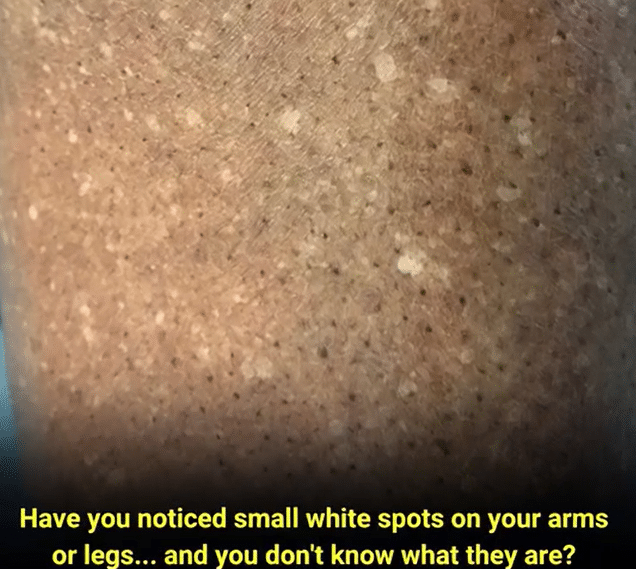
Noticing small white spots on your arms, legs, chest, or other areas of your body can feel confusing.
At first, they may look harmless—just tiny pale marks that appeared without warning. Many people ignore them, especially if they do not itch or hurt. But when the spots become more visible, spread, or look different from the rest of the skin, it is natural to wonder what is happening.
The good news is that white spots on the skin are often harmless. In many cases, they are related to sun exposure, mild fungal overgrowth, dry skin, or changes in pigment. However, some white patches may be linked to conditions that need proper diagnosis and treatment.
The important thing is not to panic.
The important thing is to understand the possible causes, watch for changes, and speak with a dermatologist if the spots persist or become concerning.
Why White Spots Appear on the Skin
Skin gets its color mainly from melanin, the pigment produced by specialized cells called melanocytes. When melanin is reduced, lost, or unevenly distributed in certain areas, lighter spots or patches can appear.
White spots may also develop after inflammation, irritation, dryness, infection, or sun damage. Sometimes they are temporary. Other times, they remain long-term.
Because several conditions can look similar, it is not always possible to know the exact cause just by looking in the mirror. A dermatologist may use a physical exam, medical history, and sometimes a special light or skin test to identify the reason.
Here are some of the most common explanations.
1. Sun-Related White Spots
One common cause of small white spots is a condition called idiopathic guttate hypomelanosis, often shortened to IGH.
This condition usually appears as tiny, flat, light-colored or white spots on sun-exposed areas of the body. The arms, legs, and lower body are common places to notice them. Cleveland Clinic describes IGH as a benign, noncancerous condition that causes small light-colored spots scattered across the skin, often on sun-exposed areas.
These spots tend to become more noticeable with age and long-term sun exposure. Some people describe them as “white freckles” or “reverse freckles.”
IGH is generally harmless, but it can be cosmetically bothersome. Sunscreen may help prevent existing spots from becoming more obvious and may reduce additional sun-related skin changes over time.
2. Tinea Versicolor
Another possible cause is tinea versicolor, also called pityriasis versicolor.
This is a common fungal condition caused by an overgrowth of yeast that naturally lives on the skin. It can create white, pink, red, yellow, or brown patches, and the affected areas may be mildly itchy or slightly scaly. Cleveland Clinic notes that tinea versicolor is not harmful or contagious and often appears on the shoulders, back, and upper chest, though it may also affect other areas.
Tinea versicolor is more common in warm, humid weather and may become more noticeable after sun exposure because affected patches may not tan like the surrounding skin. Mayo Clinic explains that the condition is not painful or contagious, but the uneven skin color may last for weeks or months even after treatment.
The good news is that tinea versicolor is treatable. Doctors may recommend antifungal shampoos, creams, lotions, or, in some cases, prescription medication.
3. Vitiligo
In some cases, white patches may be caused by vitiligo, a condition where the skin loses pigment cells.
Vitiligo often appears as smooth white or very light patches. It may affect the hands, arms, feet, face, and other areas. Mayo Clinic explains that vitiligo occurs when skin loses pigment cells, creating lighter or white patches on parts of the body.
Vitiligo is not contagious. It is not caused by poor hygiene. It is often considered an autoimmune-related condition, meaning the body’s immune system may attack pigment-producing cells.
The patches may stay in one area or gradually spread. For some people, vitiligo is mostly a cosmetic concern. For others, it can affect confidence and emotional well-being, especially when it appears on visible areas of the body.
A dermatologist can help confirm whether white patches are vitiligo and discuss treatment options, such as topical medications, light therapy, camouflage products, or sun protection strategies.
4. Dry Skin or Minor Skin Irritation
Not every white spot comes from a major skin condition.
Sometimes lighter patches appear after dryness, irritation, bug bites, scratches, mild eczema, or healed inflammation. When skin heals, it may temporarily produce less pigment in the affected area. This is sometimes called post-inflammatory hypopigmentation.
These patches may gradually fade as the skin recovers, though it can take time.
Dry skin can also make color differences more noticeable. When the skin barrier is irritated or flaky, certain areas may reflect light differently and look paler than usual.
Moisturizing regularly, avoiding harsh soaps, and protecting the skin from excessive sun exposure may help support recovery. However, if patches persist, spread, or become itchy or inflamed, professional evaluation is still a good idea.
5. Pityriasis Alba
Another common cause of lighter patches, especially in children and young adults, is pityriasis alba.
This condition is often linked with dry skin or mild eczema. It usually appears as pale, slightly scaly patches, often on the face, arms, or upper body. It may become more obvious after sun exposure because surrounding skin tans while the affected patches remain lighter.
Pityriasis alba is usually harmless and often improves with moisturizers and gentle skin care. Still, because it can resemble other conditions, a dermatologist can help confirm the diagnosis if there is uncertainty.
When Should You Be Concerned?
Most small white spots are not dangerous. But some changes should not be ignored.
You should consider seeing a dermatologist if the spots are spreading quickly, becoming itchy or scaly, changing in size or shape, appearing on multiple areas of the body, or becoming sharply defined and very white.
You should also seek medical advice if the spots appear with pain, redness, swelling, bleeding, open sores, numbness, or other symptoms.
A professional exam is especially important if you are unsure whether the spots are fungal, pigment-related, inflammation-related, or something else.
Why You Should Avoid Self-Diagnosis
White spots can look similar even when the causes are very different.
For example, tinea versicolor may be mistaken for vitiligo, and sun-related spots may be confused with other pigment changes. The American Academy of Dermatology notes that tinea versicolor can cause light spots that may be mistaken for vitiligo.
This matters because treatments are not the same.
A fungal condition may need antifungal treatment. Vitiligo may require a different long-term management plan. Sun-related spots may not require treatment but do call for better sun protection. Dryness or eczema-related patches may improve with moisturizers or anti-inflammatory care.
Guessing can delay the right treatment or lead to unnecessary products that irritate the skin further.
What You Can Do at Home
While you wait for a medical appointment or monitor mild spots, basic skin care can help protect your skin.
Use broad-spectrum sunscreen daily on exposed skin. Sun protection can reduce contrast between white spots and surrounding skin, while also helping prevent sun damage.
Keep your skin moisturized, especially after bathing. Choose gentle cleansers instead of harsh soaps, and avoid scrubbing the spots aggressively.
If spots are scaly or itchy, avoid applying random strong creams without guidance. Some products may worsen irritation or hide symptoms your doctor needs to see.
Take photos of the spots every few weeks in similar lighting. This can help you track whether they are spreading, fading, or changing.
Can White Spots Be Prevented?
Not all white spots can be prevented, especially if they are related to genetics, autoimmune conditions, or aging. But some healthy habits may reduce risk or prevent worsening.
Protecting skin from excessive sun exposure is one of the most important steps. Wear sunscreen, use protective clothing, and avoid tanning beds.
Keep skin hydrated and treat eczema, irritation, or fungal infections early. Avoid picking or scratching bug bites or rashes, since inflammation can sometimes leave temporary light marks behind.
If you live in a hot, humid climate and frequently develop tinea versicolor, a doctor may recommend preventive antifungal care.
The Bottom Line
Those white spots on your skin are not always random.
They may be caused by harmless sun-related pigment changes, a treatable fungal condition, vitiligo, dry skin, minor irritation, or other skin changes. Most are not dangerous, but some deserve medical attention—especially if they spread, itch, scale, change quickly, or appear with other symptoms.
The smartest approach is simple: protect your skin, avoid panic, and get a professional opinion if the spots persist or concern you.
Your skin often gives early clues about what is happening beneath the surface. Paying attention to those changes is one of the simplest ways to support your long-term health.
Disclaimer: This article is for informational purposes only and is not medical advice. If you notice persistent, spreading, painful, itchy, or changing white spots on your skin, consult a qualified dermatologist or healthcare professional.


