Wearing socks to bed may seem like a small personal habit, but it often sparks strong opinions. Some people cannot fall asleep without warm feet, while others feel uncomfortable the moment fabric touches their toes under the blanket.
At first glance, it may look like a simple bedtime preference. But the truth is more interesting: wearing socks while sleeping may actually influence how quickly you fall asleep and how comfortable you feel through the night.
Sleep is not just “shutting down.” It is a carefully regulated biological process controlled by body temperature, hormones, circulation, and the nervous system. Something as simple as warming your feet can support that process for some people.
So what really happens when you sleep with socks on? The answer has less to do with the socks themselves and more to do with how your body prepares for rest.
Your Body Temperature Plays a Big Role in Sleep
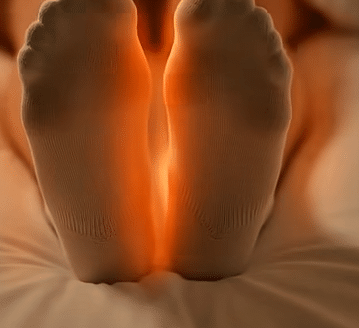
Before sleep begins, your body naturally starts to cool down.
This drop in core body temperature is one of the signals that tells your brain it is time to rest. As evening approaches, your internal temperature gradually decreases, helping you feel sleepy and ready for bed.
If that cooling process is disrupted, falling asleep can become harder. This may be one reason people toss and turn when they feel too hot, too cold, or physically uncomfortable.
Your feet play a surprising role in this process.
When your feet are warm, blood vessels near the skin can expand. This process is called vasodilation. As blood flow increases near the surface of the skin, your body can release heat more efficiently. That helps lower core body temperature, which may support the natural sleep cycle.
In simple terms, warm feet may help your body cool from the inside.
That may sound backward, but it is one of the reasons wearing socks can help some people fall asleep faster.
Warm Feet May Help You Fall Asleep Faster
Many people struggle not because they are not tired, but because their body will not fully settle.
Cold feet can keep the nervous system slightly alert. Even if the room feels comfortable and the blanket is warm, cold toes may send discomfort signals to the brain. That small discomfort can make it harder to relax.
Wearing clean, comfortable socks can reduce that sensation.
When the feet warm up, the body may interpret it as a signal of safety and comfort. The muscles relax. Circulation improves. The nervous system begins to settle. For people who deal with cold feet at night, this can make bedtime feel noticeably easier.
Some sleep research has suggested that warming the feet before bed may reduce the time it takes to fall asleep. While socks are not a cure for insomnia or serious sleep disorders, they may be a simple tool that helps some people transition into sleep more smoothly.
For someone who spends 30 minutes or more lying awake, even a small improvement can feel meaningful.
Socks May Help Reduce Nighttime Waking
Falling asleep is only one part of healthy rest.
Staying asleep matters too.
If your body temperature fluctuates too much during the night, you may wake up without fully understanding why. Sometimes people wake because they are too cold. Other times they kick off blankets because they are too warm.
The goal is balance.
Wearing socks may help people with cold feet maintain a more stable temperature through the night. When the feet remain comfortably warm, the body may not need to work as hard to self-correct. This can support more continuous rest.
Deep, uninterrupted sleep is important for recovery. During sleep, the body repairs tissues, supports immune function, processes memory, regulates mood, and helps restore energy for the next day.
A pair of socks will not solve every sleep problem, but for people who frequently wake because their feet are cold, it can make a noticeable difference.
Cold Feet Can Keep the Body Alert
Cold feet are more than a minor annoyance.
When your feet are cold, the body may interpret that discomfort as a reason to stay alert. This is especially common in colder climates, during winter months, or in homes where air conditioning runs overnight.
Some people also experience cold feet because of circulation issues, long periods of sitting, low activity levels, or simply individual sensitivity to temperature.
When your feet remain cold, you may feel restless. You may curl your toes, shift positions, or pull blankets tighter. Those small movements interrupt relaxation and can delay sleep.
Warm socks can help by creating a gentle layer of insulation.
They do not need to be thick or heavy. In fact, overly thick socks can cause sweating and discomfort. The best sleep socks are soft, loose, breathable, and clean.
Better Sleep Can Support Better Hormone Balance
Sleep affects nearly every system in the body.
When you sleep well, your body has a better chance to maintain balanced levels of important hormones, including melatonin and cortisol. Melatonin helps regulate the sleep-wake cycle, while cortisol is closely tied to stress and alertness.
Poor sleep can leave cortisol patterns disrupted, making you feel tired but wired. It may also affect appetite, mood, focus, blood pressure, and energy levels.
This is why small sleep habits matter. A consistent bedtime, a dark room, reduced screen exposure, comfortable bedding, and proper temperature control can all support better rest.
Wearing socks to bed is one of those small habits that may help some people create a stronger sleep signal.
It becomes part of a routine: clean socks, warm feet, relaxed body, lower stress, and a smoother transition to sleep.
The Type of Socks Matters
Not all socks are good for sleeping.
The wrong pair can make you uncomfortable and may even work against the benefits. Tight socks can restrict circulation, especially around the ankles or calves. Socks with strong elastic bands may leave marks on the skin or make your feet feel trapped.
Thick synthetic socks may also cause overheating or sweating. If your feet become damp, you may wake up uncomfortable or increase the risk of odor and skin irritation.
The best socks for sleep are usually:
Loose-fitting socks that do not squeeze the ankles
Breathable materials such as cotton, bamboo, or merino wool
Clean socks reserved for bedtime
Soft socks without rough seams or tight elastic
If you have circulation problems, diabetes, neuropathy, swelling, or skin wounds on your feet, talk to a healthcare professional before making any habit that affects your feet or blood flow.
Clean Socks Are Essential
Hygiene matters.
Wearing the same socks you wore all day is not a good idea. Daytime socks can trap sweat, bacteria, dirt, and odor. Sleeping in them keeps that moisture and bacteria close to your skin for hours.
If you want to wear socks to bed, use a clean pair.
Some people keep a special pair of “sleep socks” only for nighttime. This can make the habit feel more intentional and comfortable. It also helps prevent irritation, odor, or fungal issues.
Before bed, make sure your feet are dry. If you apply lotion, allow it to absorb before putting socks on. This can help prevent excess moisture from being trapped.
Who Might Benefit Most From Sleeping With Socks?
Sleeping with socks may be especially helpful for people who often have cold feet at night.
It may also benefit people who live in colder areas, sleep in air-conditioned rooms, have trouble settling down at bedtime, or wake because their feet feel chilled.
Some people find that socks are most helpful during winter but unnecessary in warmer months. Others use lightweight socks year-round because they enjoy the comfort and routine.
The key is listening to your body.
If socks help you feel calm, warm, and relaxed, they may be a useful bedtime habit. If they make you feel restricted, sweaty, or irritated, they are not the right solution for you.
When You Should Avoid Wearing Socks to Bed
Although sleeping with socks is safe for many people, it is not ideal for everyone.
Avoid tight socks that leave deep marks or make your feet tingle. Remove socks if your feet become sweaty, itchy, or irritated. Do not wear socks over damp skin for long periods.
People with certain medical conditions should be more cautious. If you have diabetes, poor circulation, foot ulcers, nerve damage, severe swelling, or a history of skin infections, foot care is especially important. In those cases, ask a healthcare provider what is safest for you.
Socks should support comfort, not create risk.
Simple Tips for Better Sleep With Socks
If you want to try sleeping with socks, keep it simple.
Choose a clean, breathable pair that fits loosely. Put them on shortly before bed. Keep your room comfortably cool, since warm feet work best when the rest of your sleep environment is not overheated.
You can also warm your feet before bed with a brief warm foot soak, gentle massage, or by slipping into socks after your evening routine.
The goal is not to make your feet hot.
The goal is comfortable warmth.
The Bottom Line
Sleeping with socks on is not just a quirky habit. For some people, it may help warm the feet, support blood vessel relaxation, encourage a natural drop in core body temperature, and make it easier to fall asleep.
It may also reduce discomfort from cold feet and help support more restful sleep through the night.
But comfort is personal. If socks make you feel too warm or restricted, there is no need to force it. Good sleep depends on what helps your body relax.
In a world full of expensive sleep products, supplements, trackers, and complicated routines, it is easy to overlook simple solutions. Sometimes better sleep begins with something as ordinary as a clean pair of soft socks.
So the next time you slide under the covers and feel that familiar chill in your feet, consider giving socks a try.
You may fall asleep faster, rest more deeply, and wake up feeling a little more refreshed.
Disclaimer: This article is for informational purposes only and is not medical advice. If you have circulation problems, diabetes, nerve damage, persistent cold feet, swelling, or sleep difficulties, speak with a qualified healthcare professional.