Swelling in the hands, feet, ankles, or legs is something many people notice from time to time. Sometimes it happens after standing too long, sitting for hours, eating too much salty food, or spending a long day in hot weather. In those cases, mild swelling may improve with rest, movement, hydration, and elevating the legs.
But persistent, sudden, painful, or unexplained swelling should not be ignored.
Swelling, also called edema, happens when excess fluid builds up in the body’s tissues. It can affect one area or several parts of the body at once. Some people notice tight shoes, rings that suddenly feel too small, puffiness around the ankles, or skin that looks stretched and shiny.
While swelling can be harmless, it may also be a sign that something inside the body is not working as well as it should. The cause may involve circulation, the veins, the heart, the kidneys, the liver, medication side effects, pregnancy, or another medical condition.
Understanding the possible reasons can help you know when simple lifestyle changes may help—and when it is time to seek medical advice.
1. Sitting or Standing for Too Long
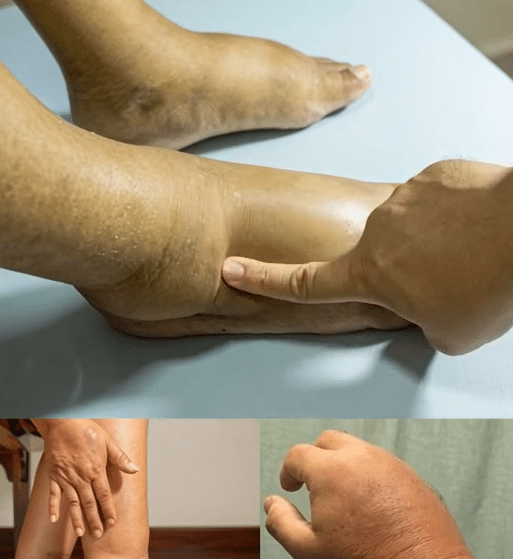
One of the most common causes of swelling in the feet, ankles, and lower legs is staying in the same position for long periods.
When you sit or stand for hours, gravity pulls fluid downward. Blood and fluid can collect in the lower parts of the body, especially around the ankles and feet. This is why some people notice swelling after a long workday, a road trip, a flight, or hours spent standing.
This type of swelling is often mild and may improve when you walk, stretch, or elevate your legs.
People with desk jobs, drivers, travelers, retail workers, and anyone who spends long hours on their feet may experience this more often. Wearing comfortable shoes, taking movement breaks, staying hydrated, and avoiding long periods without stretching may help reduce mild swelling.
2. Chronic Venous Insufficiency
Your veins help carry blood back toward the heart. Inside many veins are tiny valves that keep blood moving in the right direction. When these valves become weak or damaged, blood may pool in the legs instead of flowing upward properly.
This condition is called chronic venous insufficiency.
Common signs may include swollen ankles, aching legs, heaviness, cramping, varicose veins, and skin changes around the lower legs. Some people may notice symptoms getting worse after standing for a long time and improving when the legs are raised.
Venous insufficiency can become more common with age, but it may also be linked to family history, pregnancy, obesity, prior blood clots, or jobs that require prolonged standing.
Because it can worsen over time, ongoing swelling in the lower legs should be discussed with a healthcare professional.
3. Deep Vein Thrombosis
A more serious cause of leg swelling is deep vein thrombosis, often called DVT. This happens when a blood clot forms in a deep vein, usually in the leg.
DVT can be dangerous because a clot may break loose and travel to the lungs, causing a pulmonary embolism, which can be life-threatening.
Warning signs may include swelling in one leg, calf pain or tenderness, warmth, redness, and discomfort while walking. Sometimes the symptoms are subtle, which is why one-sided swelling should always be taken seriously.
Risk factors may include recent surgery, long travel, injury, smoking, certain medications, pregnancy, cancer, or a history of blood clots.
Seek urgent medical care if you develop sudden swelling in one leg, especially if it is painful, warm, or red.
4. Heart Problems
Swelling in both legs, ankles, or feet can sometimes be related to the heart.
When the heart cannot pump blood efficiently, fluid may build up in the body. This can cause swelling in the lower limbs, especially around the ankles and feet. Some people may also notice shortness of breath, fatigue, rapid weight gain from fluid retention, or difficulty lying flat without feeling breathless.
Swelling related to heart problems should never be ignored, especially when it appears with breathing difficulties or chest discomfort.
The heart plays a central role in circulation. When it struggles, fluid balance throughout the body can be affected. Early evaluation can help identify problems before they become more serious.
5. Kidney Disease
Healthy kidneys remove excess fluid and waste from the body. When kidney function declines, fluid can remain in the bloodstream and tissues, leading to swelling.
Kidney-related swelling may appear in the feet, ankles, legs, hands, or around the eyes. Some people may also notice changes in urination, fatigue, nausea, high blood pressure, or puffiness in the face.
In some cases, swelling may be one of the earlier signs that the kidneys are under stress.
Because kidney disease can progress quietly, unexplained swelling that does not improve should be evaluated by a healthcare provider. Blood and urine tests can help check kidney function and identify possible concerns.
6. Liver Disease
The liver produces important proteins, including albumin, which helps keep fluid inside the blood vessels. When the liver is not functioning properly, albumin levels may drop. This can allow fluid to leak into surrounding tissues, causing swelling.
Liver-related swelling may affect the legs and ankles. Some people may also develop fluid buildup in the abdomen, fatigue, easy bruising, nausea, or yellowing of the skin or eyes, known as jaundice.
Because liver problems can have many causes, medical evaluation is important when swelling appears with other symptoms.
7. Medication Side Effects
Some medications can cause swelling as a side effect. This does not always mean the medication is dangerous, but it is something to discuss with a healthcare professional.
Medications that may contribute to swelling can include some blood pressure drugs, anti-inflammatory medications, steroids, hormone therapies, and certain diabetes or nerve pain medications.
If swelling begins after starting a new prescription or changing a dose, do not stop the medication on your own unless a doctor tells you to. Instead, contact your healthcare provider. They may adjust the dose, recommend monitoring, or suggest another treatment option if needed.
Medication-related swelling is often manageable, but it should still be taken seriously.
8. Pregnancy
Swollen feet and ankles are common during pregnancy, especially later in pregnancy. The body produces more blood and fluid, hormones affect circulation, and the growing uterus can place pressure on veins that carry blood back from the legs.
Mild swelling during pregnancy is often expected.
However, sudden or severe swelling can be a warning sign, especially if it appears in the face or hands or comes with headaches, vision changes, dizziness, abdominal pain, or high blood pressure. These symptoms may require prompt medical attention.
Pregnant people should always report sudden or concerning swelling to their healthcare provider.
When Swelling May Be an Emergency
Some swelling needs urgent medical care.
Seek immediate help if swelling is accompanied by chest pain, shortness of breath, sudden swelling in one leg, severe pain, redness, warmth, fever, fainting, coughing blood, or difficulty walking.
These symptoms could point to a serious condition such as a blood clot, infection, heart problem, or another urgent medical issue.
It is better to be cautious than to ignore symptoms that may signal danger.
Simple Ways to Reduce Mild Swelling
If swelling is mild and not caused by a serious condition, a few lifestyle steps may help.
Elevating the legs can reduce fluid buildup. Walking and stretching improve circulation. Avoiding long periods of sitting or standing may also help. Some people benefit from reducing excess salt, drinking enough water, and maintaining a healthy weight.
Compression stockings may help certain types of swelling, especially swelling related to vein problems, but they should be used under medical guidance, particularly if you have diabetes, circulation problems, or severe swelling.
Regular movement is one of the simplest ways to support circulation. Even short walks, ankle circles, and calf raises can make a difference during long periods of sitting.
The Bottom Line
Swollen hands, feet, ankles, or legs can happen for many reasons. Sometimes the cause is simple, such as standing too long or sitting during travel. Other times, swelling may be connected to the veins, heart, kidneys, liver, medications, pregnancy, or another health issue.
The most important thing is to pay attention to your body.
If swelling is sudden, painful, one-sided, severe, recurring, or unexplained, it is worth getting medical advice. Early evaluation can help identify the cause and prevent complications.
Your body often gives signals before a problem becomes serious. Swelling may be one of those signals.
Disclaimer: This article is for informational purposes only and is not a substitute for professional medical advice, diagnosis, or treatment. Speak with a qualified healthcare provider if you have concerns about swelling or any other symptoms.


