Released in 1961, The Tokens’ “The Lion Sleeps Tonight” became one of the most unforgettable songs of the early 1960s. At first listen, it sounds simple, playful, and almost dreamlike. Yet behind its bright melody and gentle rhythm is a long musical journey that stretches across continents, decades, and generations.
Even in 2026, the song still has a special kind of magic. For many listeners, it brings back memories of childhood, family sing-alongs, old radio stations, animated films, school performances, and carefree moments that feel far away now. Its melody is instantly recognizable, and its emotional pull remains surprisingly strong.
Some songs become classics because they are dramatic.
Some become classics because they are technically impressive.
“The Lion Sleeps Tonight” became a classic because it feels timeless, joyful, and deeply familiar from the very first notes.
A Song That Stood Out on the Radio
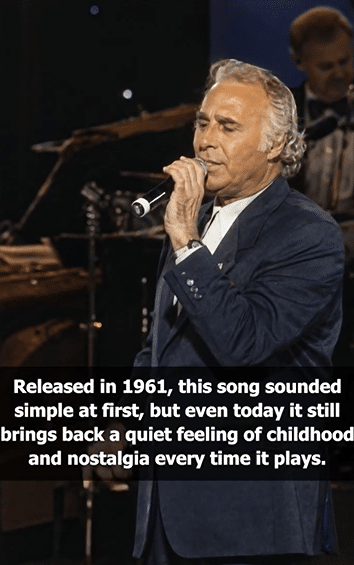
When The Tokens released “The Lion Sleeps Tonight,” popular music was moving through a period of change. Doo-wop, early rock and roll, pop ballads, and vocal harmony groups were all shaping the sound of American radio.
Then came a song that sounded unlike almost anything else.
The recording opens with a melody that feels light, unusual, and unforgettable. Jay Siegel’s soaring falsetto became the song’s signature feature, giving it a dreamy sound that listeners immediately remembered. Behind him, the group’s smooth harmonies created a rich doo-wop foundation that helped transform the track into a polished pop hit.
The song was playful, but not shallow.
It had a lullaby-like quality, almost as if it belonged equally to children and adults. That rare balance helped it reach a wide audience. Children loved its sound and rhythm, while adults appreciated its harmony, atmosphere, and charm.
The public responded quickly. “The Lion Sleeps Tonight” climbed to No. 1 on the Billboard Hot 100, becoming one of the most distinctive hits of its time.
The Earlier Roots of the Song
Although many people first discovered the song through The Tokens, its story began long before 1961.
The melody originated from “Mbube,” written and recorded in 1939 by South African musician Solomon Linda. The original version carried a very different cultural and musical context, rooted in South African vocal tradition. Its title, “Mbube,” means “lion” in Zulu.
Linda’s recording became influential, and over time the song traveled far beyond its original setting. As it moved through different performers, arrangers, and audiences, the melody changed. It was adapted, reshaped, and reintroduced under different names before eventually becoming the pop version that The Tokens made famous.
This long journey is part of what makes the song so fascinating.
“The Lion Sleeps Tonight” is not only a 1960s pop hit. It is also an example of how music can travel across cultures and eras, taking on new forms while still carrying echoes of its original spirit.
How The Tokens Created the Famous Version
The Tokens’ version was shaped with the help of producers and arrangers Hugo Peretti, Luigi Creatore, and George David Weiss. Their work turned the song into a polished pop recording built for American radio while preserving the mysterious, rhythmic charm that made the melody so memorable.
The arrangement added orchestral touches, layered harmonies, and a smooth commercial structure. Jay Siegel’s falsetto lifted the track into something instantly recognizable. His voice gave the song a sense of wonder, almost like a call floating over a quiet landscape.
The group’s harmonies made the performance warm and inviting.
The result was a recording that felt both exotic to many American listeners of the time and deeply accessible as a pop song. It was catchy enough for radio, gentle enough for children, and unusual enough to stand apart from typical hits of the era.
That combination helped make it unforgettable.
Why the Song Feels Like Childhood
One reason “The Lion Sleeps Tonight” has lasted so long is its ability to connect with childhood memory.
The melody is easy to remember. The rhythm feels playful. The repeated vocal phrases invite people to sing along, even if they do not know every word. The entire song carries a sense of innocence and wonder.
For many people, it is connected to early memories: hearing it at home, singing it at school, watching it appear in movies or television, or discovering it through family members.
The song feels safe.
It feels bright.
It feels like a memory from a simpler time.
That is why it continues to create nostalgia even for listeners who were not alive when it first became a hit. Some songs seem to belong to childhood because their emotional language is universal. “The Lion Sleeps Tonight” is one of them.
It does not need a complicated story to move people. Its sound alone creates a feeling.
A Classic That Reached New Generations
Although “The Lion Sleeps Tonight” became a major hit in the early 1960s, its cultural life did not end there.
The song continued to appear in films, television shows, commercials, stage performances, and family entertainment. Its connection to animated storytelling and childhood nostalgia helped introduce it to younger generations again and again.
Because of that, many people know the song even if they do not immediately know The Tokens by name. They may recognize the falsetto, the melody, or the famous refrain before they remember where they first heard it.
That is one mark of a true classic.
It becomes bigger than a single release date.
It becomes part of cultural memory.
The Emotional Power Behind a Playful Sound
At first, “The Lion Sleeps Tonight” may seem lighthearted. It is bright, catchy, and easy to enjoy. But part of its lasting appeal comes from the way it creates a peaceful emotional atmosphere.
The idea of a sleeping lion suggests calm after danger, stillness after movement, and safety in the night. Whether listeners think about those images consciously or not, the song carries a gentle sense of reassurance.
That may be why it works so well as a nostalgic recording.
It does not demand heavy emotion. Instead, it offers comfort. It creates a small world where everything feels calm, musical, and safe for a few minutes.
In a modern world filled with stress, financial pressure, work demands, housing costs, insurance concerns, banking decisions, and constant digital noise, a song like this can feel like a return to innocence. It reminds listeners of a time when music could feel simple, joyful, and uncomplicated.
A Song With a Complicated Legacy
The history of “The Lion Sleeps Tonight” also includes important questions about credit, ownership, and recognition.
Because the song originated with Solomon Linda’s “Mbube,” later adaptations raised concerns about how much recognition and compensation the original creator and his family received. Over the years, the story of the song has become part of a broader conversation about music publishing, copyright, and the way songs from one culture can be transformed by another.
That history does not erase the beauty of The Tokens’ recording, but it adds depth to the song’s legacy.
It reminds listeners that famous music often has roots deeper than many people realize. Behind a familiar melody can be a complex journey involving creativity, adaptation, business, and cultural exchange.
Understanding that history makes the song even more meaningful.
Why It Still Matters in 2026
More than six decades after its release, “The Lion Sleeps Tonight” remains one of the most recognizable recordings of the early 1960s.
Its melody still brings smiles.
Its harmonies still feel warm.
Its falsetto still catches the ear immediately.
And its nostalgic power still reaches across generations.
For older listeners, it may recall the sound of classic radio. For younger listeners, it may bring back childhood movies, family memories, or moments of playful discovery. For music historians, it represents a fascinating journey from South African vocal tradition to American pop success.
That combination of joy, history, and emotional memory is rare.
A Timeless Recording That Still Feels Alive
“The Lion Sleeps Tonight” endures because it is more than a novelty hit. It is a beautifully arranged vocal performance built around a melody that seems almost impossible to forget.
It began as “Mbube” in South Africa, traveled through multiple adaptations, and became a worldwide pop classic through The Tokens’ 1961 recording. Along the way, it touched millions of listeners and became part of childhood memory for generations.
Even in 2026, the song still feels fresh in a way few recordings from its era can match.
It is playful, peaceful, nostalgic, and instantly recognizable.
Most importantly, it reminds us that music does not always need to be complicated to be powerful. Sometimes a simple melody, sung with wonder and harmony, is enough to carry people back to the sweetest parts of their past.
That is why “The Lion Sleeps Tonight” continues to sleep peacefully in music history—but never disappears from memory.


