In the bright and energetic world of 1960s pop music, few songs captured the feeling of hope, escape, and city life as beautifully as Petula Clark’s “Downtown.”
Released at the end of 1964, the song became far more than a successful radio hit. It turned into an international anthem for anyone who had ever wanted to leave their worries behind, step into the lights of the city, and feel the world open up again.
Even in 2026, “Downtown” remains one of the greatest recordings of its era. Its melody is instantly recognizable, its arrangement still sounds rich and exciting, and its message continues to speak to listeners across generations.
For many people, the song brings back memories of classic radio, vinyl records, city streets, and a time when pop music could feel both elegant and joyful. But its lasting power comes from something deeper: the promise that even when life feels heavy, there is always somewhere to go, something to hear, and a little light waiting around the corner.
A Song Inspired by New York City
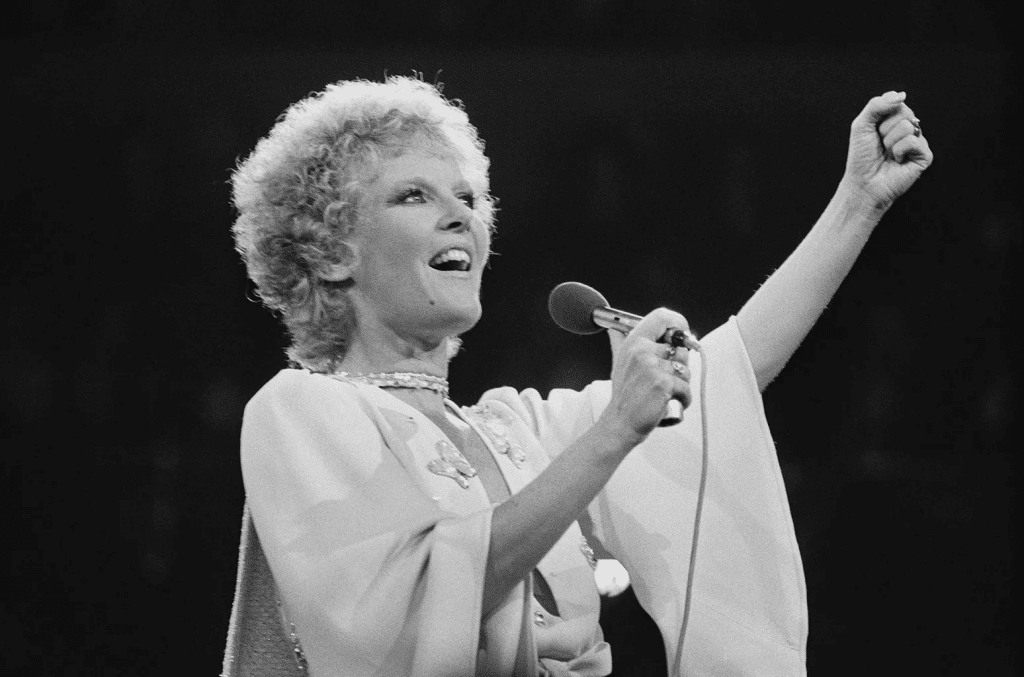
The story behind “Downtown” begins with Tony Hatch, a British songwriter, producer, and arranger known for his polished musical style and creative instincts.
In the fall of 1964, Hatch visited New York City for the first time. Like many visitors, he was struck by the energy of Manhattan. The lights, noise, movement, and excitement of the city left a powerful impression on him.
While walking through the busy streets, especially around Times Square, Hatch began forming the musical idea that would become “Downtown.” The rhythm of the city seemed to turn into melody. The sound of traffic, crowds, theaters, shops, and nightlife all helped inspire the song’s upbeat feeling.
When Hatch returned to London, he brought that idea with him.
At the time, Petula Clark was already a successful performer in Europe. She had been in show business since childhood and had built a respected career through talent, discipline, and charm. However, she had not yet fully broken through in the American market.
That was about to change.
Petula Clark Immediately Recognized Its Potential
During a recording session in London, Tony Hatch played his unfinished idea for Clark. She immediately sensed that the song had something special.
The melody was bright, emotional, and memorable. It had energy without sounding frantic. It felt sophisticated but still accessible. Clark encouraged Hatch to complete the lyrics, believing the song could become an important recording.
Hatch then shaped the words around the idea of finding comfort in the city. The lyrics describe someone feeling lonely, tired, or overwhelmed, then discovering relief by going downtown, where the lights are brighter and the music is waiting.
That theme gave the song its emotional heart.
“Downtown” is not just about a physical place. It is about escape. It is about changing your surroundings when life feels too heavy. It is about finding hope in movement, music, and the presence of other people.
That message helped the song connect with listeners around the world.
The Recording Session That Created Magic
“Downtown” was recorded on October 16, 1964, at Pye Studios in London.
The session brought together remarkable musical talent. A large orchestra gave the song its sweeping, cinematic sound, while skilled session musicians added energy, texture, and polish. Among those associated with the recording were respected guitarists such as Jimmy Page, Big Jim Sullivan, and Vic Flick.
Tony Hatch conducted and produced the session, carefully shaping the arrangement so that every element supported Clark’s voice.
The result was a perfect balance of orchestral elegance and radio-friendly pop.
The opening immediately catches the listener’s attention. Then Clark’s voice enters with warmth and assurance, inviting the audience into a world where sadness can be eased by the rhythm of the city. As the song builds, the arrangement becomes bigger and brighter, creating a sense of movement that feels almost cinematic.
It sounds like walking from a quiet, lonely street into a glowing city center filled with life.
That musical transformation is one reason the song still feels so powerful decades later.
A Breakthrough Hit in Britain and America

After its release in the United Kingdom, “Downtown” quickly became a major success. By December 1964, it had climbed to number two on the UK charts, held back from the top spot only by The Beatles’ “I Feel Fine.”
That alone would have made it an impressive achievement.
But the song’s biggest breakthrough came in the United States.
Warner Bros. executive Joe Smith recognized that “Downtown” had enormous potential for American listeners. His judgment proved correct. In January 1965, the song reached number one on the Billboard Hot 100.
That achievement made Petula Clark the first British female singer to top the U.S. charts during the rock and roll era.
At a time when British artists were reshaping American popular music, Clark’s success gave her an important place in the broader British Invasion. While many groups from the United Kingdom were gaining attention, “Downtown” showed that a solo female artist could also capture the American market with sophistication, style, and emotional appeal.
A Global Pop Phenomenon
The success of “Downtown” did not stop in Britain and America.
The song became an international hit, reaching audiences in countries including Australia, New Zealand, South Africa, and many others. Its message translated easily across borders because the feeling behind it was universal.
Almost everyone understands the desire to get away from stress.
Almost everyone knows what it feels like to search for comfort, distraction, or hope.
The city in “Downtown” may have been inspired by New York, but the emotion belongs to anyone who has ever stepped outside looking for a reason to feel better.
That universality helped the song become one of the defining pop records of the 1960s.
How “Downtown” Changed Petula Clark’s Career
For Petula Clark, “Downtown” was a career-changing moment.
Although she was already successful in Europe, the song introduced her to a massive American audience and opened the door to a string of later hits. Songs such as “My Love,” “I Know a Place,” and “Don’t Sleep in the Subway” helped confirm that Clark was not a one-hit success.
She became one of the most important British female pop stars of the decade.
Her voice had a rare quality: polished, expressive, and emotionally clear. She could make a song sound joyful without becoming shallow, and sincere without becoming overly sentimental.
“Downtown” gave her the perfect showcase.
It was elegant, catchy, uplifting, and emotionally grounded all at once.
Why the Song Still Works Today
More than sixty years later, “Downtown” remains powerful because it was built on timeless ingredients.
The melody is unforgettable. The lyrics are simple but meaningful. The arrangement is rich without being excessive. Most importantly, the song captures a feeling people continue to experience in every generation.
Life can become overwhelming.
People feel lonely, stressed, uncertain, or disconnected.
Sometimes a change of scenery helps. Sometimes music helps. Sometimes simply being surrounded by lights, movement, and possibility can remind someone that life still has beauty.
That is the emotional promise of “Downtown.”
In today’s world, where many people are under pressure from work, personal finance concerns, housing costs, loans, insurance decisions, and the pace of daily life, the song’s invitation to step away from worry still feels relevant. It reminds listeners that relief does not always come from solving everything at once. Sometimes it begins with a small decision to move toward light, sound, and hope.
A Classic Recognized by Music History
The cultural significance of “Downtown” has never faded.
The song has been covered by many artists over the years, including Dolly Parton and Emma Bunton, each bringing a different style to the classic. It has appeared in films, television shows, commercials, and countless nostalgic playlists.
In 2003, “Downtown” was inducted into the Grammy Hall of Fame, confirming its place among the most cherished recordings in popular music history.
That recognition reflects what generations of listeners already knew: this is a song with lasting emotional and artistic value.
A Recording That Still Shines in 2026
In 2026, “Downtown” still feels alive.
It remains one of those rare recordings that can instantly change the mood of a room. The moment the music begins, listeners are pulled into a world of bright lights, crowded streets, and emotional possibility.
For older fans, it may bring back memories of hearing the song on the radio when it was new. For younger listeners, it offers a window into the elegance and optimism of classic 1960s pop.
Either way, the effect is the same.
The song lifts the spirit.
It reminds people that music can be more than entertainment. It can be comfort. It can be escape. It can be a reminder that even during difficult times, there is still somewhere to turn.
From Tony Hatch’s first spark of inspiration in New York City to Petula Clark’s unforgettable performance in London, “Downtown” remains a shining example of pop music at its best.
It defined a moment in history, launched a new chapter in Clark’s career, and continues to inspire listeners more than six decades later.
Some songs belong to the past.
“Downtown” still belongs to everyone.


