Few things frustrate gardeners more than watching healthy plants suddenly wilt for no obvious reason.
One day your tomatoes, peppers, herbs, or flowers look strong. The next, they appear weak, tilted, or damaged near the roots. When you check the soil, you may notice small tunnels, disturbed earth, or soft patches that collapse under your fingers.
In many cases, the culprit may not be a traditional mole at all.
It may be a mole cricket — a strange-looking underground insect with strong front legs designed for digging. Because it looks partly like a cricket and partly like a tiny mole, many gardeners confuse it with other burrowing pests.
Mole crickets can cause serious garden damage because they tunnel through the soil, disturb young roots, and loosen the ground around plants. They are especially frustrating because they spend most of their time hidden underground, making them difficult to spot until the damage is already visible.
Fortunately, you do not always need harsh chemicals to deal with them.
With the right strategy, you can reduce mole cricket activity, protect your plants, and keep your garden healthier using practical, soil-friendly methods.
How to recognize mole cricket damage
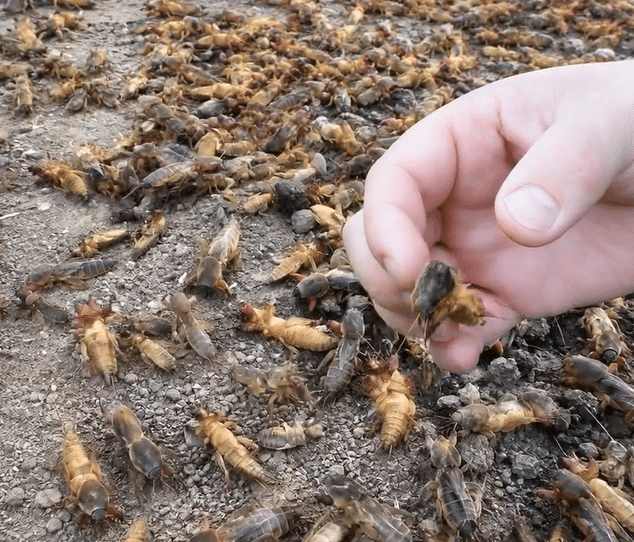
Mole cricket damage often appears before the insect itself is seen.
You may notice plants wilting even though they have been watered properly. Seedlings may collapse. Grass may develop brown patches. Vegetable plants may loosen in the soil because their root zones have been disturbed.
Look for narrow tunnels just below the surface. These tunnels are often about the thickness of a finger and may appear near vegetable beds, lawns, flower borders, or moist soil areas.
Unlike traditional moles, mole crickets do not usually create large raised mounds. Their damage is often more subtle, especially at first.
Common signs include:
Wilting vegetables or flowers
Soft, uneven soil
Small surface tunnels
Brown or thinning patches in grass
Seedlings pushed up or disturbed
Plants with damaged or exposed roots
If several of these signs appear together, mole crickets may be active in your garden.
Why mole crickets are difficult to control
Mole crickets live underground and are most active during warm weather, especially in moist soil.
They often come out at night, which means gardeners may not see them during the day. By the time damage becomes obvious, the insects may already have created tunnels beneath the soil surface.
They are also attracted to areas where soil is soft, watered frequently, and rich in organic material. This is why vegetable gardens, lawns, and flower beds can become ideal places for them.
The key to controlling mole crickets is not one single trick.
It is a combination of monitoring, trapping, soil care, natural deterrents, and early action before the population grows.
Simple jar trap with sweet bait
One common home method uses a buried container to trap mole crickets during their nighttime movement.
To try this method, use a small jar, cup, or cut plastic bottle. Bury it in the soil so the rim is level with the surface. This is important because mole crickets moving across the ground can fall in more easily when the edge is flush with the soil.
Add a small amount of sweet liquid, such as sugar water, diluted syrup, or a little fermented liquid. The scent may help attract curious insects.
Check the container in the morning.
If you catch mole crickets, remove them and reset the trap. For best results, place several traps near damaged areas, especially around vegetable beds, lawn edges, or places where tunnels are visible.
This method works best for light infestations or as a way to confirm whether mole crickets are present.
Soapy water flush for finding active areas
Another simple method is a soapy water flush.
Mix a mild soap solution in a bucket of water and pour it over a small damaged area of soil or lawn. If mole crickets are present, they may come to the surface within a few minutes.
This technique is often used as a monitoring tool.
It helps you identify where the insects are active so you can focus your control efforts in the right area. It is best to use mild soap and avoid overusing this method, especially around delicate plants.
Once mole crickets surface, they can be collected and removed.
This approach is more targeted than spraying chemicals across the entire garden and helps reduce unnecessary damage to beneficial insects.
Beneficial nematodes as a natural control option
For larger infestations, many gardeners consider beneficial nematodes.
Beneficial nematodes are microscopic organisms used in biological pest control. Certain types can target soil-dwelling pests, including mole crickets, while being generally safe for people, pets, plants, and many beneficial garden organisms when used correctly.
They are usually mixed with water and applied to the soil according to package instructions.
Timing matters.
Beneficial nematodes work best when the soil is warm and moist, often during late spring or early summer when mole crickets are active. They should be applied in the evening or on cloudy days because direct sunlight can reduce their effectiveness.
After application, keep the soil moist for several days to help them move through the soil.
This method is especially useful for gardeners who want a more eco-friendly solution without relying on strong pesticides.
Remove nests and young populations early
Mole crickets reproduce during warm months, and young insects can quickly increase the population in a garden.
If you notice a sudden dry patch where plants have died or roots seem disturbed, inspect the area carefully. In some cases, there may be an underground nest or concentration of young insects nearby.
Gently dig around affected areas with a hand tool or hoe.
Avoid damaging healthy plant roots, but check the top layer of soil where activity seems strongest. Removing young mole crickets early can prevent a much larger problem later in the season.
Early control is always easier than waiting until the infestation spreads across the whole lawn or garden.
Make the garden less inviting
Prevention is one of the best tools against mole crickets.
Avoid overwatering, because consistently damp soil can attract underground pests. Water deeply but less frequently when possible, depending on your plants’ needs and local climate.
Keep garden beds tidy.
Remove excessive plant debris, old mulch, and decaying organic matter that may create comfortable hiding places. Healthy soil is important, but overly wet and cluttered areas can encourage pest activity.
You can also use natural plant-based deterrents around vulnerable areas. Some gardeners plant marigolds, garlic, onions, or strong-smelling herbs near vegetable beds because their scent may help discourage certain pests.
Garlic or onion water can also be used occasionally around affected areas, though it should be applied carefully to avoid overwhelming sensitive plants.
Protect young plants
Seedlings and young vegetable plants are especially vulnerable because their root systems are still small.
To protect them, firm the soil gently around new plants after planting. Avoid leaving loose pockets where pests can tunnel easily. Raised beds with well-managed soil can also make monitoring easier.
If you are planting tomatoes, peppers, herbs, or other valuable crops, check the soil regularly during the first few weeks after planting.
Small signs of damage are easier to manage than a full infestation.
Gardeners who invest time, money, and personal finance planning into growing their own food know how frustrating it can be to lose plants suddenly. A little prevention can protect both the garden and the effort behind it.
What not to do
Do not randomly pour harsh chemicals, fuel, bleach, or toxic substances into the soil.
These can damage plants, harm beneficial insects, contaminate garden beds, and create risks for pets, children, and wildlife.
Also avoid digging aggressively through the entire garden unless necessary. Excessive disturbance can damage plant roots and make the soil structure worse.
The goal is targeted control.
Observe first.
Confirm the pest.
Treat the affected areas.
Then adjust garden care to reduce future problems.
Final thoughts
Mole crickets can be a serious nuisance for gardeners, especially when they damage vegetables, lawns, and flower beds from beneath the soil.
Because they live underground, they can be difficult to detect at first. But with careful observation and the right approach, you can reduce their numbers without poisoning your garden.
Use buried jar traps to monitor activity.
Try a mild soapy water flush to locate active areas.
Consider beneficial nematodes for larger infestations.
Inspect damaged patches early.
Keep soil healthy but not overly wet.
Use natural deterrents and protect young plants.
The most effective garden pest control is not about panic. It is about patience, consistency, and understanding what you are dealing with.
With a careful plan, your garden can recover — and your vegetables, flowers, herbs, and lawn can grow without constant underground damage


