It started as a simple yard cleanup.
I was clearing weeds from the side garden beds, pulling out roots, trimming back overgrowth, and trying to make the area look a little less forgotten. Then my tool hit something solid.
At first, I thought it might be an old sprinkler part, a buried pipe, or maybe some random metal junk left behind by a previous homeowner. But when I looked closer, I saw a metal rod going into the ground with a wire attached to it.
The wire seemed to disappear even deeper into the soil.
That made me stop immediately.
Anything involving a wire near a house should be taken seriously. It might be harmless. It might be old. But it could also be part of the home’s electrical system.
After checking more carefully, I realized what I had found was most likely a grounding rod and copper ground wire connected to the home’s electrical service.
It may not look important, but it is one of the quiet safety features helping protect the entire house.
What is this metal rod and wire?
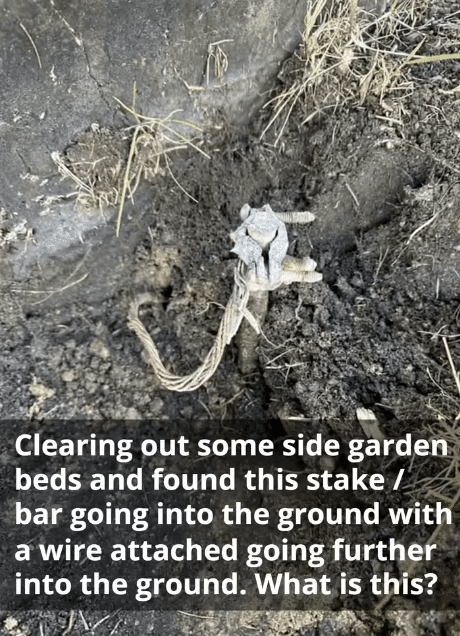
The metal stake or bar in the ground is usually called a ground rod.
The wire attached to it is often a copper grounding wire. Together, they form part of your home’s electrical grounding system.
In simple terms, the grounding system gives excess electricity a safe path into the earth. If there is a power surge, electrical fault, or lightning-related event, the grounding system helps direct dangerous electrical energy away from the parts of the home people touch and use every day.
It is not decorative.
It is not random.
It is not something that should be pulled out, cut, or moved without professional help.
That small rod and wire may be connected to the main electrical panel, which means it plays an important role in home safety.
Why grounding matters
A grounded electrical system helps protect people, appliances, and property.
Electricity always looks for a path to travel. If something goes wrong in the electrical system, grounding gives that electricity a safer route into the earth instead of through a person, appliance, or flammable material.
Think of it like a safety release.
Most days, you never notice it. It sits quietly in the background doing nothing dramatic. But when something goes wrong, it can become extremely important.
Grounding can help reduce the risk of electric shock, equipment damage, electrical fires, and dangerous surges. It works alongside other safety features such as breakers, surge protection, proper wiring, and updated electrical panels.
For homeowners, this is also part of protecting a major real estate investment. A house is not only walls, windows, insurance paperwork, mortgage payments, and property value. It is also the hidden systems that keep everything safe.
Electrical grounding is one of those systems people rarely think about until they find it in the yard.
Why is it in the garden?
Finding a grounding rod in a garden bed can feel strange, but it is not unusual.
Ground rods are often installed outside near the main electrical panel or service entrance. Electricians usually place them where they can make good contact with the soil and connect properly to the home’s electrical system.
Over time, landscaping changes.
A bare side yard becomes a flower bed.
Mulch gets added.
Bushes grow.
Previous owners install edging, fencing, irrigation, or garden borders.
Years later, what was once an open utility area may look like a normal garden bed. That is why homeowners sometimes discover grounding rods while digging, planting, or clearing weeds.
The rod may have been there for decades, quietly serving its purpose while the yard changed around it.
Is it dangerous?
The rod and wire are usually not dangerous if they are intact and undisturbed.
The danger comes from damaging, cutting, disconnecting, or removing them.
If the grounding wire is broken or the clamp is loose, the home’s electrical system may not be properly grounded. That can increase safety risks during electrical faults or surges.
If you find one, do not assume it is abandoned just because it looks old.
Copper wire can darken or weather over time. Metal clamps may look aged. The rod may be partly hidden by dirt or plants. But it may still be active and important.
Do not pull on the wire.
Do not cut it.
Do not try to relocate it.
Do not bury it deeper without knowing what you are doing.
If you are unsure whether it is connected or safe, the best move is to call a licensed electrician.
What should you do if you find one?
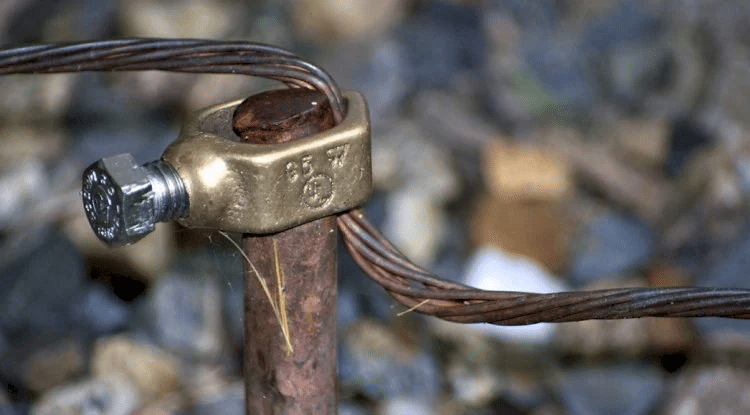
If you discover a metal stake with a wire attached near your home, stop digging in that area.
First, look carefully without disturbing it. Check whether the wire appears attached securely to the rod. If it is loose, damaged, corroded, or disconnected, contact an electrician.
Next, mark the location so you do not hit it again during future yard work. You can use a garden marker, a small stake, or another visible reminder.
If you are planning landscaping, fencing, drainage work, or real estate improvements, make sure contractors know where the grounding rod is located. Accidentally cutting or damaging the wire could create a safety issue and possibly lead to expensive repairs.
It is also smart to trace the general direction of the wire if it can be done without digging aggressively. It often runs toward the main electrical panel or service equipment. But again, do not pull or expose more than necessary.
When in doubt, let a professional inspect it.
Why you should not ignore damage
A damaged grounding system may not cause an obvious problem right away.
Your lights may still work.
Your outlets may still work.
Your appliances may still turn on.
That is what makes grounding issues easy to overlook.
But electrical safety is often about what happens during abnormal conditions. A faulty appliance, surge, wiring issue, or lightning-related event could expose weaknesses in the system.
That is why an old or damaged ground connection should be taken seriously.
For homeowners, maintenance is not just about paint, landscaping, roof repairs, loans, insurance, or home value. It also includes the hidden electrical, plumbing, and structural systems that protect the property every day.
A small wire in the garden may be more important than it looks.
A quiet part of the home’s safety system
What surprised me most was how ordinary it looked.
Just a stake.
Just a wire.
Half-hidden in the soil.
It would have been easy to mistake it for trash or an old garden support. But once I understood what it was, I saw it differently.
That little piece of metal and copper was part of a system designed to protect the house. It had likely been installed years ago and had been doing its job silently ever since.
There is something impressive about that.
Homes are full of hidden things that keep life running: pipes behind walls, wires under floors, vents in attics, drains underground, and grounding rods buried in the soil. We rarely think about them until something breaks or we accidentally uncover them.
This was one of those reminders that safety is often invisible.
Final thoughts
If you find a metal rod or stake in your garden with a wire attached to it, do not remove it.
It is likely part of your home’s electrical grounding system, and it may be helping protect the house from dangerous electrical faults or surges.
Mark the location.
Avoid damaging it during yard work.
Call a licensed electrician if it looks corroded, loose, broken, or disconnected.
What looks like a random piece of metal in the dirt may actually be an important safety feature that has been protecting your home for years.
Sometimes the most important parts of a house are the ones we never notice — quietly buried, quietly working, and quietly holding everything together.


