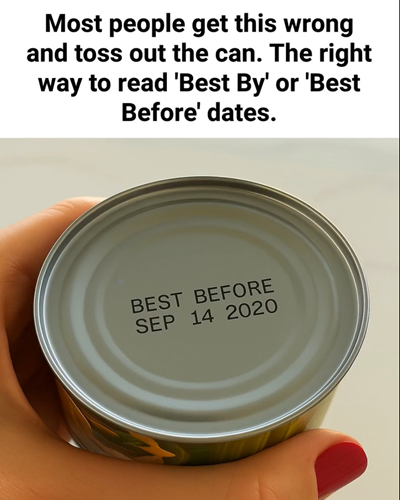
Canned food is one of the most useful items in almost every kitchen.
Beans, soups, vegetables, tuna, tomatoes, fruit, and canned meats can make meals easier, stretch a grocery budget, and provide backup food during storms, power outages, or emergencies. For many households, canned goods are part of smart personal finance because they are affordable, convenient, and often last much longer than fresh food.
But one question still worries many people:
Can you safely eat canned food after the printed date?
The answer is not always as simple as yes or no.
In many cases, properly stored canned food can still be safe after the “Best By” date. However, the condition of the can matters more than the date alone. A damaged, bulging, leaking, badly rusted, or foul-smelling can should never be eaten.
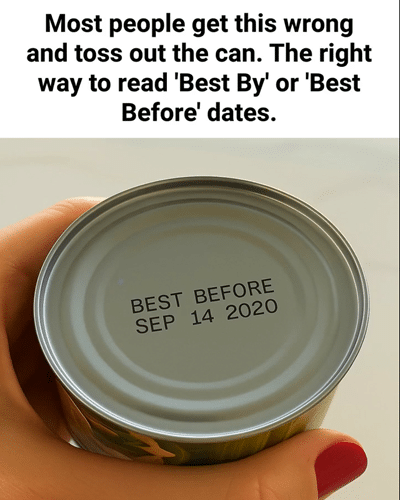
Understanding the difference between quality dates and safety warnings can help you save money, reduce food waste, and protect your family.
“Best By” does not always mean “unsafe after”
Many people see a date on a can and assume the food becomes dangerous the next day.
That is usually not how canned food dates work.
According to USDA food safety guidance, many canned foods carry “Best if Used By” dates that refer to peak quality, not necessarily safety. High-acid canned foods such as tomatoes and fruit generally keep their best quality for 12 to 18 months, while low-acid canned foods such as meats and vegetables usually keep their best quality for two to five years.
That means a can of beans or vegetables slightly past its printed date may still be usable if it has been stored correctly and the can is in good condition.
However, quality can decline over time.
The food may lose flavor. Texture may soften. Color may fade. Nutritional quality may slowly decrease. It might not taste as fresh as it would have before the date, but that does not automatically mean it is unsafe.
High-acid vs. low-acid canned foods
Not all canned foods age the same way.
Canned foods are often divided into two broad categories: high-acid and low-acid.
High-acid canned foods include items such as tomatoes, pineapple, citrus fruits, fruit cocktails, and pickled products. These foods tend to have a shorter shelf life because acidity can affect flavor, texture, and the can lining over time.
Low-acid canned foods include vegetables, beans, corn, peas, carrots, soups, meats, poultry, and fish. These products generally last longer when stored properly.
This does not mean you should ignore dates completely. Instead, use them as a guide for quality and pantry rotation.
If you have older canned tomatoes, use them before newer cans. If you have canned beans that are approaching their date, move them to the front of the shelf. This simple habit can prevent waste and save money on groceries.
Storage makes a big difference
Canned food lasts longest when stored in the right conditions.
A cool, dry, dark pantry or cabinet is usually best. Avoid storing cans in hot garages, damp basements, direct sunlight, near stoves, or in places that freeze and thaw repeatedly. Heat can reduce quality faster, while moisture can lead to rust.
USDA guidance notes that shelf-stable foods should be stored safely and that cans should be discarded if they are dented, rusted, or swollen.
This is why food storage is about more than stacking cans wherever there is space.
Good storage helps protect the seal, the can, and the food inside.
For emergency preparedness, canned food can be an excellent option. But emergency stock should still be checked regularly. Rotate older cans into everyday meals and replace them with newer ones.
This keeps your pantry useful instead of turning it into a forgotten shelf of mystery cans.
Always inspect the can before opening
Before eating any canned food, especially one past its date, inspect the container carefully.
Do not use a can if it is bulging, leaking, spurting liquid, badly rusted, cracked, or deeply dented around the seams. These can be signs that the seal has failed or that bacteria may have grown inside.
Bulging cans are especially concerning because gas can build up from bacterial activity. One serious risk linked to improperly preserved foods is botulism, a rare but dangerous illness caused by toxins produced by certain bacteria. Because botulism toxins can be extremely dangerous, suspicious cans should never be tasted. The safe choice is to throw them away.
Also check the can after opening.
If the food smells sour, rancid, rotten, or unusual, discard it. If the liquid is cloudy when it should not be, the food is slimy, moldy, foamy, or discolored in a strange way, do not eat it.
The old rule applies here:
When in doubt, throw it out.
Saving a few dollars is never worth risking food poisoning.
What about dents?
Not every dent means a can is unsafe.
A small shallow dent on the side of a can may not be a problem if the seal is intact and there are no other warning signs.
However, deep dents are different.
A sharp dent, a dent along the seam, or damage near the top or bottom rim can compromise the can’s seal. If the seal is weakened, bacteria may enter.
If you are unsure whether a dent is serious, it is safest to discard the can.
This is especially important when buying discounted canned goods. A sale price may not be worth it if the container is damaged.
What to do after opening canned food
Once canned food is opened, it is no longer shelf-stable.
Leftovers should be transferred to a clean glass or plastic food-safe container, covered, and refrigerated. USDA shelf-stable food guidance lists opened canned foods as generally lasting about three to four days in the refrigerator, depending on the food.
Do not store opened food in the can for long periods, especially acidic foods like tomatoes or fruit. Transferring the food helps preserve flavor and reduces possible metallic taste.
Labeling leftovers with the date opened can also help prevent waste.
Can cooking make questionable canned food safe?
Cooking can help heat food evenly and improve flavor in soups, stews, sauces, casseroles, and chili.
But cooking should not be used to “rescue” food from a suspicious can.
If the can is bulging, leaking, badly rusted, deeply dented, or the food smells wrong, throw it away without tasting it. Some food safety risks are not worth gambling with, and you cannot always smell or see dangerous toxins.
Cooking is fine for older canned food that looks normal, smells normal, and came from an undamaged can.
It is not a solution for food that may be spoiled.
How to organize your pantry safely
A simple pantry system can help you avoid confusion.
Use the “first in, first out” method. Place newer cans behind older cans so you use the oldest safe items first.
Write the purchase month and year on the top of each can with a marker. This is especially helpful if the printed date is hard to read.
Group similar foods together: beans with beans, soups with soups, vegetables with vegetables, fruit with fruit.
Check your pantry every few months for damaged cans, rust, swelling, leaks, or items you forgot to rotate.
This kind of organization can help with household budgeting, emergency planning, and reducing food waste.
Home-canned food needs extra caution
Commercial canned foods and home-canned foods are not the same.
Home canning can be safe when done correctly, but it requires strict methods, proper equipment, and tested recipes. The CDC recommends storing home-canned foods in a clean, cool, dark place and avoiding high-heat storage areas. It also advises labeling and dating jars.
If a home-canned jar has a loose lid, leaking, bulging, mold, spurting liquid, or an off smell, do not taste it.
Home-canned low-acid foods, such as vegetables and meats, require extra care because improper canning can create serious botulism risk.
When it comes to home canning, guessing is not safe.
The bottom line
Canned foods are more durable than many people realize.
A printed “Best By” date usually refers to quality, not an automatic safety deadline. If a can has been stored in a cool, dry place and shows no signs of damage or spoilage, it may still be usable after the date printed on the label.
But the can’s condition is critical.
Never eat from cans that are bulging, leaking, badly rusted, deeply dented, or smell strange after opening. Never taste food to “check” if it is safe when the container looks suspicious.
Canned food can be a reliable, budget-friendly part of your pantry, especially for families trying to save money, plan meals, manage grocery costs, or prepare for emergencies.
The key is knowing what the dates mean, storing cans properly, rotating your pantry, and respecting warning signs.
A slightly old can may still be fine.
A damaged can is not worth the risk.