A viral post claiming that a large Category 5 Hurricane Melissa is forming has caused concern among social media users. However, the details included in the post appear to mix up two different storms.
The body of the post does not describe Hurricane Melissa. Instead, it refers to Potential Tropical Cyclone Nine, a system that later became Hurricane Helene in 2024. The National Hurricane Center classified that system as Potential Tropical Cyclone Nine on September 23, 2024, before it strengthened and eventually became Hurricane Helene. Helene later made landfall in Florida’s Big Bend region as a powerful Category 4 hurricane.
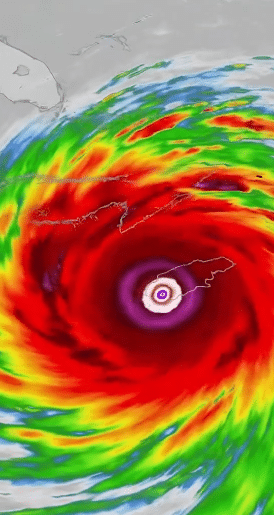
Meanwhile, Hurricane Melissa was a separate storm from the 2025 Atlantic hurricane season. It became a catastrophic Category 5 hurricane in the Caribbean and struck Jamaica in October 2025. The storm was so destructive that the World Meteorological Organization retired the name “Melissa,” meaning it will not be used again for future Atlantic storms.
Because of that, readers should be cautious with posts claiming “Hurricane Melissa is forming” as a current breaking update. The name Melissa has already been retired, and the text provided appears to be based on older information about Helene, not a new Category 5 storm.
What the Original Forecast Was About
The source text describes a system in the northwestern Caribbean that the National Hurricane Center began monitoring as Potential Tropical Cyclone Nine. At the time, forecasters expected it to organize into Tropical Storm Helene as it moved northward toward the Gulf of Mexico.
That forecast called for the system to pass through the Yucatán Channel and enter the Gulf, where warm ocean waters and favorable atmospheric conditions could support rapid strengthening. Those details match the early development of Hurricane Helene in September 2024.
Forecasters warned that the storm could affect parts of Florida, Georgia, and South Carolina with heavy rain, dangerous winds, storm surge, and power outages. Helene ultimately became a major hurricane and made landfall in Florida’s Big Bend as a Category 4 storm.
Why the “Melissa Category 5” Claim Is Confusing
The headline mentions Hurricane Melissa and Category 5, but the article content refers to a storm that was expected to become Helene.
That matters because storm names, dates, and forecasts are not interchangeable. Tropical weather information changes quickly, and inaccurate headlines can cause unnecessary fear or confusion.
Melissa was real — but it was a 2025 storm, not the system described in the Helene forecast. The National Hurricane Center’s report described Melissa as one of the strongest Atlantic hurricanes on record, reaching Category 5 intensity. It caused catastrophic impacts in Jamaica and other parts of the Caribbean in late October 2025.
Helene was also real — but it formed from Potential Tropical Cyclone Nine in September 2024 and impacted the southeastern United States.
The viral post appears to combine the dramatic name and strength of Melissa with the forecast details of Helene.
How Residents Should Respond to Hurricane Posts Online
When a hurricane warning appears on social media, the most important step is to verify it through official sources before sharing or reacting.
The National Hurricane Center is the primary source for Atlantic tropical cyclone advisories. Local National Weather Service offices, emergency management agencies, and state officials also provide location-specific updates during active storms.
Hurricane misinformation can spread quickly, especially when headlines use urgent phrases like “breaking news,” “Category 5,” or “see more in comments.” While some posts are based on real weather events, others recycle old forecasts or combine details from different storms.
That can lead people to prepare for the wrong hazard, misunderstand the timing, or panic unnecessarily.
What People in Hurricane-Prone Areas Should Do
Even when a viral post is confusing, hurricane preparedness remains important for anyone living along the Gulf Coast, Atlantic Coast, or Caribbean.
Residents should keep an emergency kit ready with drinking water, nonperishable food, flashlights, batteries, medications, important documents, phone chargers, and basic first-aid supplies. Families should also review evacuation routes, check insurance documents, and know whether they live in a flood or storm surge zone.
People in mobile homes, low-lying areas, or coastal communities should pay especially close attention to evacuation guidance. Storm surge and inland flooding can be just as dangerous as wind.
Businesses should also review continuity plans, protect financial records, back up important files, and make sure employees know emergency procedures. Preparation can reduce property damage, financial loss, and personal risk when severe weather threatens.
The Bottom Line
The viral headline about a Category 5 Hurricane Melissa forming is misleading based on the provided text. The article content is about Potential Tropical Cyclone Nine, which became Hurricane Helene in 2024. Melissa was a separate Category 5 hurricane in 2025, and its name has since been retired.
The safest approach is to avoid relying on recycled or sensational posts for storm information. Always check official hurricane advisories, local emergency alerts, and trusted weather updates before making decisions.
Hurricanes can change quickly — but accurate information is the first step toward staying safe.