There are songs that do more than entertain. They carry people back to another time, another feeling, and another version of themselves. For many listeners, Johnny Horton’s “North to Alaska” does exactly that.
Released in 1960, the song became one of Horton’s most memorable recordings and one of country music’s great adventure songs. It is upbeat, bold, and full of movement — the kind of track that makes listeners picture open country, frozen trails, gold rush dreams, and men chasing fortune in a land that still felt untamed.
For anyone who grew up with this kind of music, hearing it again can feel like stepping back into youth. It reminds listeners of a time when songs told stories clearly, voices carried character, and country music could make history feel alive in just a few minutes.
As one fan might say: being 20 in the ’70s may have felt a lot more fun than being 70 in the ’20s — and songs like this help explain why.
Johnny Horton Had a Gift for Storytelling
Johnny Horton was not just another country singer. He became famous for turning history into music that people could sing along to. His style blended country, folk, and narrative ballad traditions, creating songs that felt like short movies.
Born in Los Angeles and raised in Texas and Louisiana, Horton carried a mix of regional influences into his music. He had roots in honky-tonk country, but his greatest success came when he leaned into storytelling. Songs like “The Battle of New Orleans” and “North to Alaska” gave listeners action, characters, setting, and excitement.
That approach made him stand out.
At a time when many country songs focused on heartbreak, home life, or romance, Horton brought listeners into battles, frontiers, and historic moments. He gave country music a larger landscape.
“North to Alaska” became one of the finest examples of that talent.
A Song Written for a Hollywood Adventure
“North to Alaska” was connected to the 1960 film of the same name, a Western comedy-adventure starring John Wayne. The movie was set during the Nome Gold Rush, a period when prospectors rushed north hoping to find fortune in Alaska’s harsh and beautiful wilderness.
The film’s producers wanted a title song that could capture that adventurous spirit, and Horton was the perfect choice.
Working with collaborators, Horton helped create a song that summarized the story while still standing on its own. Even listeners who had never seen the movie could understand the appeal immediately. The lyrics painted a vivid picture of men heading north, chasing gold, facing hardship, and following a dream.
It was more than a soundtrack song. It became a country hit with its own identity.
The Sound of Movement and Determination
From the beginning, “North to Alaska” feels like it is moving forward. The rhythm has energy, almost like the musical equivalent of a sled racing across snow or a group of prospectors pushing toward a distant promise.
The spoken introduction helps set the scene, giving the song a cinematic quality. Then the chorus arrives with a memorable hook that is easy to sing and hard to forget.
Horton’s voice is clear, confident, and full of personality. He does not simply sing the lyrics. He tells the story. Every line feels like part of a journey.
The instrumentation reflects classic Nashville country of the period, with steady rhythm, strong bass, and bright musical accents that support the story without distracting from it. The result is a song that feels both old-fashioned and exciting.
It has the charm of a campfire tale and the momentum of a movie trailer.
A Major Country and Pop Success
When “North to Alaska” was released in August 1960, it quickly became a major hit. It reached No. 1 on the country chart and crossed over strongly to pop audiences, climbing to No. 4 on the Billboard Hot 100.
That crossover success showed Horton’s broad appeal.
Country fans loved the storytelling. Pop listeners enjoyed the energy and melody. Movie audiences recognized the connection to the John Wayne film. Together, those elements helped the song become one of Horton’s signature recordings.
It also proved that country music could reach beyond traditional themes. A song about the gold rush, Alaska, and frontier ambition could become a mainstream hit when performed with enough charm and conviction.
A Country Song That Felt Like a Movie
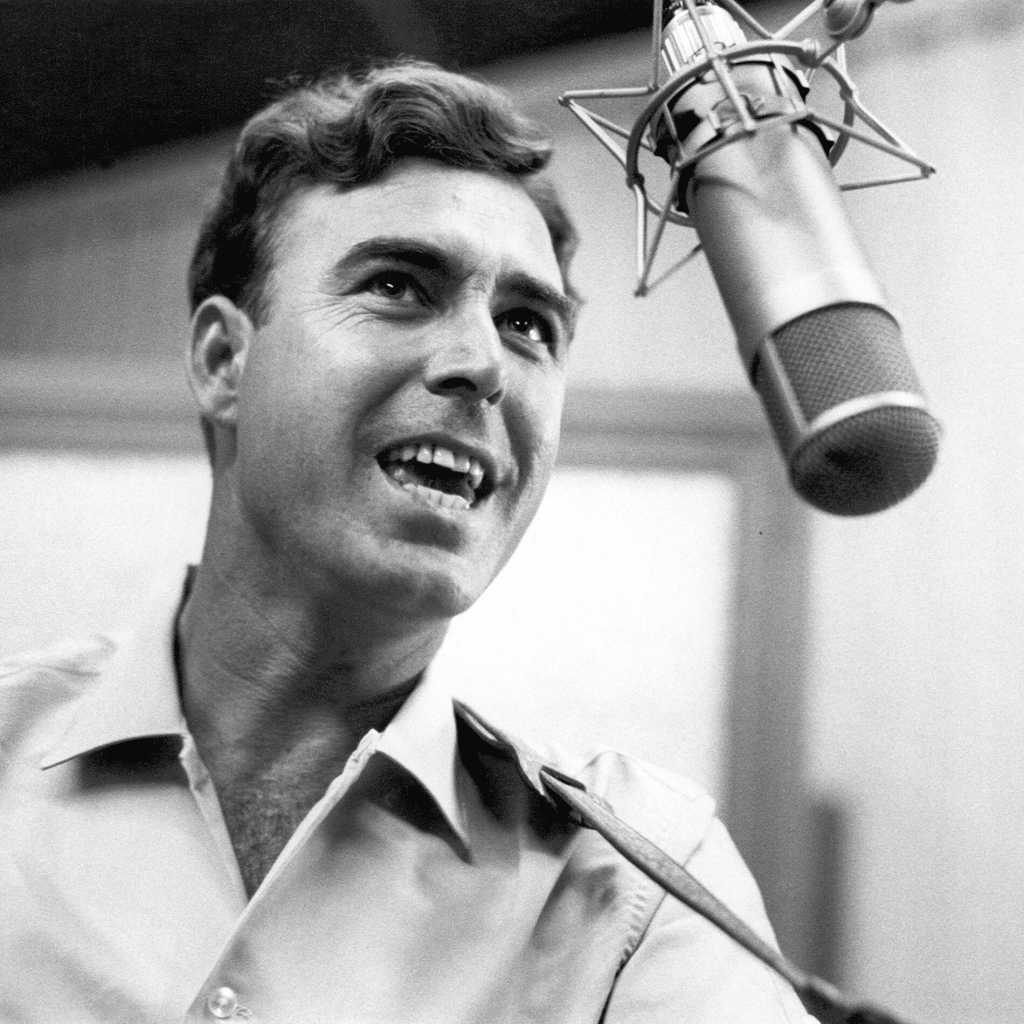
One of the reasons “North to Alaska” remains memorable is that it feels visual. The song gives listeners a setting, a direction, and a mood.
You can almost see the cold air, the frozen trails, the mining camps, and the restless men chasing something bigger than ordinary life. It taps into the myth of the American frontier — the belief that somewhere beyond the known world, fortune and freedom might still be waiting.
That kind of story connected strongly with audiences in 1960. Postwar America still loved tales of expansion, bravery, and determination. Alaska had only become a U.S. state in 1959, so the idea of the “last frontier” felt fresh and exciting.
“North to Alaska” captured that national imagination perfectly.
Why It Still Brings Back Memories
For older listeners, “North to Alaska” is more than a classic country song. It is tied to memory.
It may bring back the sound of old radios, family road trips, early television, record players, county fairs, or the days when country songs felt like stories everyone could follow. It carries the feeling of a time when music was simple, direct, and full of personality.
That is why it still works.
The song is not trying to be modern. It does not need to be. Its power comes from its energy, clarity, and sense of adventure.
When it plays, people remember not only the song itself, but the era it represents. They remember being younger, freer, and closer to a world where songs could make the imagination run wild.
Johnny Horton’s Tragic Final Chapter
Sadly, Johnny Horton did not live long enough to fully enjoy the lasting impact of “North to Alaska.” Just two months after its release, he died in a car accident at only 35 years old.
His death shocked the country music world and left fans wondering what more he might have created. He had already proven that he could turn history into hit records, and “North to Alaska” seemed to point toward an even bigger future.
Because of his sudden passing, the song took on an even deeper meaning for many listeners. It became one of his final great statements — bold, energetic, and full of life.
In a way, it preserved him at his strongest.
A Lasting Piece of Country Music History
More than sixty years later, “North to Alaska” remains one of Johnny Horton’s most beloved songs. It is still heard on classic country stations, Americana playlists, film retrospectives, and collections celebrating the golden age of narrative country music.
Its legacy is important because it expanded what a country song could do. It showed that country music could tell historical stories, support films, cross into pop culture, and still feel authentic.
Horton’s style influenced later artists who embraced storytelling as a central part of their music. His songs reminded listeners that country music was not limited to heartbreak and honky-tonks. It could travel to battlefields, rivers, mountains, and frozen frontiers.
A Song That Still Calls Listeners North
“North to Alaska” endures because it captures something timeless: the desire for adventure.
It speaks to the part of people that still wants to chase a dream, take a chance, and believe there is something waiting beyond the horizon. That feeling does not disappear with age. In many ways, it becomes stronger as people look back on the years behind them.
The song is energetic, nostalgic, and full of character. It reminds listeners of youth, freedom, and a time when music could make an entire world appear in the imagination.
Johnny Horton may have been singing about Alaska, gold, and frontier dreams, but the real journey is emotional.
Every time the song plays, it takes listeners back — not just north, but back to a younger version of themselves.


