In 1970, Kris Kristofferson released “Help Me Make It Through the Night,” a country ballad that proved a song does not need to be long to leave a permanent mark. At only two minutes and thirty-seven seconds, it is quiet, direct, and deeply emotional. Yet decades later, it remains one of the most meaningful songs in country music history.
The song is not built around dramatic storytelling or complicated production. Instead, it speaks plainly about loneliness, longing, and the human need for comfort. That honesty is exactly why it has endured.
At a time when country music often leaned on traditional narratives, moral lessons, and polished emotional restraint, Kristofferson wrote something much more intimate. He did not hide behind clever phrases or distant characters. He wrote from the vulnerable place where pride falls away and a person simply admits they do not want to be alone.
That emotional courage helped reshape modern country songwriting.
Kris Kristofferson Brought Poetry to Nashville
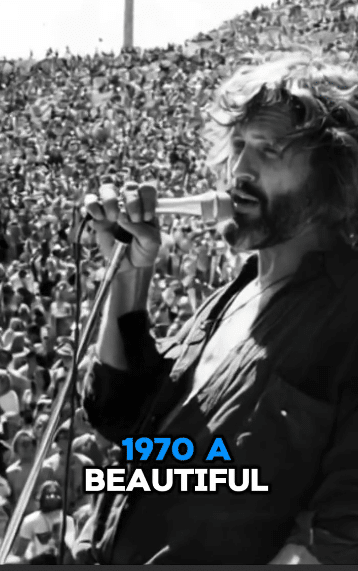
Kris Kristofferson’s path to country music was anything but ordinary. Before becoming one of the most respected songwriters in American music, he had been a Rhodes Scholar, an Army helicopter pilot, and a man with a secure future ahead of him.
But he left that path behind to chase songwriting in Nashville.
At first, the decision seemed risky. Nashville was filled with talented writers and performers, and the industry had clear expectations about what a country song should sound like. Many songs followed familiar formulas, with clean structures and traditional themes.
Kristofferson brought something different.
His writing felt literary, lived-in, and emotionally raw. He wrote about broken people, lonely nights, regret, desire, freedom, and the quiet ache of being human. His songs sounded less like polished entertainment and more like confessions set to music.
“Help Me Make It Through the Night” became one of the clearest examples of his gift.
The Inspiration Behind the Song
The idea for the song reportedly came from a remark associated with Frank Sinatra, who once spoke about not wanting to face the night alone. Kristofferson heard something deeper in that sentiment — not glamour, not indulgence, but loneliness.
From that feeling, he created a song that was remarkably simple and emotionally bold.
The narrator is not asking for forever. He is not promising a perfect future. He is not pretending to be strong. He is asking for comfort in the present moment, for someone to stay and help him get through the night.
That was powerful because it was so honest.
The song does not judge the emotion. It does not dress it up. It simply acknowledges a truth many people understand but may be afraid to say out loud: sometimes, loneliness becomes too heavy to carry alone.
A Quiet Recording With Enormous Emotional Weight
Kristofferson’s original version appeared on his 1970 debut album Kristofferson. The recording was sparse and understated, allowing the lyrics to take the lead.
There is no unnecessary ornamentation. No heavy production. No attempt to make the song bigger than it needs to be.
Kristofferson’s voice was not smooth in the traditional sense, but that was part of its power. His delivery sounded tired, rough, and real. He sang the song like someone who understood every word because he had lived close to the feeling behind it.
That rawness gave the song authenticity.
It felt less like a performance and more like a private admission.
Sammi Smith Turned It Into a Country Standard
Although Kristofferson wrote and recorded the song first, Sammi Smith brought it to a much wider audience with her 1971 version. Her recording became a major country hit, reaching No. 1 on the country chart and crossing over to the pop charts.
Smith’s voice gave the song a different kind of emotional power. Her version was warm, soulful, and deeply expressive. She carried the lyrics with both tenderness and strength, helping listeners hear the vulnerability from a new perspective.
Her performance won widespread acclaim and helped establish “Help Me Make It Through the Night” as a true country standard.
The success of her version also proved that the song’s emotional truth was universal. It could be sung by a man or a woman. It could belong to country, pop, soul, or folk. Its message crossed boundaries because the feeling at its center was so human.
Why the Song Was So Bold for Its Time
In the early 1970s, a song this open about intimacy and emotional need was unusual, especially in country music. The lyrics did not rely on traditional romance or polite heartbreak. They spoke directly about longing, loneliness, and the desire for comfort without apology.
That honesty challenged expectations.
For male songwriters in particular, the song helped open a door. Kristofferson showed that vulnerability was not weakness. A man could admit need, uncertainty, and emotional hunger without losing strength or dignity.
That was a major shift.
Country music had always been capable of deep feeling, but Kristofferson helped make that feeling more personal, poetic, and direct. He gave artists permission to write from the uncomfortable places — the late-night moments, the regrets, the desires, and the truths people usually keep hidden.
A Song Covered by Generations of Artists
Over the years, “Help Me Make It Through the Night” has been recorded by many legendary artists, including Elvis Presley, Willie Nelson, Joan Baez, and Gladys Knight.
Each version brings something different.
Some performances emphasize tenderness. Others bring out the loneliness. Some sound soulful, while others lean into country simplicity. But every version returns to the same emotional core: the need for connection when the night feels too long.
That is why the song has lasted.
Great songs leave room for different voices while keeping their identity intact. “Help Me Make It Through the Night” does exactly that.
A Career-Defining Moment for Kristofferson
The song helped solidify Kris Kristofferson as one of the most important songwriters of his generation. Along with classics like “Me and Bobby McGee” and “Sunday Mornin’ Comin’ Down,” it showed his ability to turn human weakness into unforgettable art.
Kristofferson became part of a movement that pushed country music toward greater honesty and creative freedom. His work influenced artists such as Willie Nelson, Waylon Jennings, Emmylou Harris, and countless others who valued emotional truth over polished formulas.
He helped prove that country songs could be poetic without becoming distant, and plainspoken without becoming shallow.
Why It Still Sticks in Your Head Forever
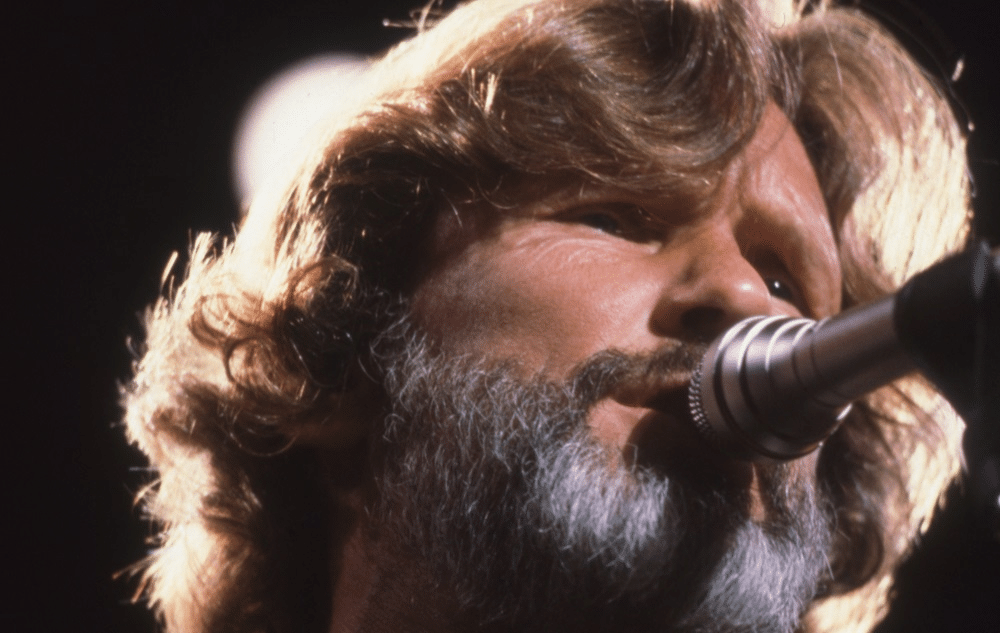
The lasting power of “Help Me Make It Through the Night” comes from its simplicity.
The melody is gentle.
The lyrics are direct.
The emotion is unmistakable.
Nothing about the song feels wasted. In less than three minutes, it captures a feeling that many people spend a lifetime trying to explain.
That is why it stays with listeners.
It is not just a song about romance. It is a song about the quiet moments when people need each other most. It reminds us that even the strongest person can feel lonely, and even a brief moment of comfort can mean everything.
A Country Ballad That Still Speaks From the Heart
More than five decades after its release, “Help Me Make It Through the Night” remains one of the most meaningful ballads in country music. It helped change the way songwriters approached vulnerability, intimacy, and emotional truth.
Kris Kristofferson did not simply write a hit. He wrote a confession that became universal.
At only two minutes and thirty-seven seconds, the song is short. But its impact lasts far beyond its final note.
It lingers because it tells the truth plainly: sometimes all we need is someone beside us until morning comes


