In 1957, Patsy Cline released a song that lasted barely more than two minutes, yet it changed the direction of her career forever. “Walkin’ After Midnight” became the breakthrough that introduced her extraordinary voice to a national audience and helped reshape the future of country music.
The song proved what fans would come to know for generations: Patsy Cline did not need to force emotion. She did not strain, push, or rely on sharp edges to make a lyric powerful. Her voice simply flowed.
Smooth, rich, controlled, and deeply human, Cline’s performance on “Walkin’ After Midnight” revealed a singer with rare natural command. She could sound lonely without sounding weak, polished without losing sincerity, and elegant without becoming distant.
That balance is why the song still matters more than six decades later.
Patsy Cline Had a Voice Unlike Anyone Else

Born Virginia Patterson Hensley in Winchester, Virginia, Patsy Cline grew up in a working-class family and began performing when she was young. Long before she became a household name, she sang in local venues, appeared on regional radio, and built her reputation one performance at a time.
Her voice stood out immediately.
It had warmth, depth, and emotional weight. But what made Cline truly special was her ability to make difficult singing sound effortless. She did not overdecorate her performances or chase dramatic vocal tricks. Instead, she trusted the song.
That gift became clear on “Walkin’ After Midnight.”
The lyrics tell a simple story of loneliness and longing. The narrator walks alone late at night, hoping to find someone she misses. In another singer’s hands, the song might have sounded overly sad or theatrical. With Patsy Cline, it became haunting, graceful, and unforgettable.
She made heartbreak sound beautiful.
A Song Patsy Didn’t Want at First
Interestingly, “Walkin’ After Midnight” was not originally a song Patsy Cline was eager to record. Written by Alan Block and Don Hecht, the track did not immediately feel like a natural fit to her.
But after encouragement from her management and record label, she agreed to perform it on Arthur Godfrey’s Talent Scouts in January 1957. That appearance became a major turning point.
Cline stepped onto the television stage and delivered the song with calm confidence and unmistakable presence. The audience responded immediately. Her performance was powerful without being loud, controlled without feeling cold, and emotional without becoming exaggerated.
That night, people heard something special.
The performance helped push the song into the spotlight and turned Patsy Cline from a promising regional performer into a rising national star.
The Song Bridged Country and Pop
“Walkin’ After Midnight” became successful because it appealed to more than one audience. It had country roots, but it also carried a smooth pop elegance that made it accessible to mainstream listeners.
The arrangement included traditional country elements such as steel guitar, but the production also had a polished quality that pointed toward what would later be known as the Nashville Sound. Producer Owen Bradley, who would become closely associated with Cline’s later work, helped shape the kind of sophisticated country-pop style that expanded the genre’s reach.
This mattered because country music in the 1950s was often seen as regional. Patsy Cline helped change that perception.
Her voice could reach country fans, pop listeners, radio programmers, and television audiences at the same time. She made country music sound refined without removing its emotional honesty.
A Breakthrough on the Charts
After its release, “Walkin’ After Midnight” became a major hit. It reached No. 2 on the country charts and crossed over to the pop charts, climbing to No. 12 on the Billboard pop chart.
For a female country artist in the 1950s, that was a remarkable achievement.
The success opened doors for Cline. She gained national attention, performed on major programs, and became a name listeners remembered. More importantly, the song proved that a woman in country music could achieve crossover success without sacrificing authenticity.
It was not just a hit record. It was a breakthrough moment.
Why Her Performance Still Feels So Powerful
The magic of “Walkin’ After Midnight” is in Patsy Cline’s restraint.
She does not oversing the sadness. She lets it breathe. Every phrase feels measured, but never stiff. Her voice moves naturally through the melody, giving the impression that the song is unfolding from inside her rather than being performed for effect.
There is no strain.
No pressure.
No hard edges.
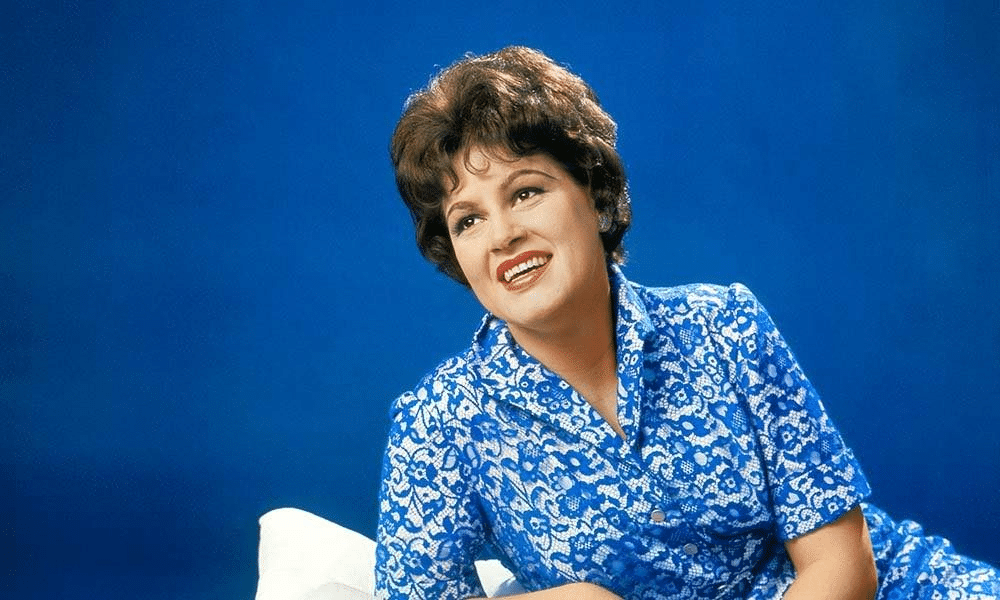
Just feeling.
That is why the performance still feels fresh today. Many singers can hit big notes, but fewer can make a quiet line feel unforgettable. Patsy Cline had that gift.
Her voice carried both strength and vulnerability, and “Walkin’ After Midnight” gave the world an early glimpse of the emotional power she would later bring to songs like “Crazy” and “I Fall to Pieces.”
A Song That Influenced Country Music’s Future
“Walkin’ After Midnight” helped create a path for country-pop crossover records. It showed that country storytelling could work beautifully with smoother, more sophisticated arrangements.
Artists such as Brenda Lee, Linda Ronstadt, k.d. lang, and many others would later benefit from the space Patsy Cline helped open. Her influence stretched far beyond her short career.
The song also helped redefine what women in country music could sound like. Cline was not presented as fragile or ornamental. She was a serious vocalist with emotional authority. Her music made room for female artists to sing about longing, heartbreak, desire, and resilience with depth and dignity.
A Classic That Never Truly Faded
More than 65 years after its release, “Walkin’ After Midnight” remains one of Patsy Cline’s signature songs. It is still played on classic country stations, included in greatest country song collections, and performed by singers who admire her timeless style.
Its lasting appeal comes from its simplicity.
The melody is memorable. The lyrics are clear. The arrangement is elegant. And Patsy Cline’s voice brings everything together with effortless grace.
The song captures a late-night feeling almost everyone understands — walking through loneliness, searching for comfort, and hoping love might still be waiting somewhere in the dark.
The Song That Introduced a Legend
Patsy Cline would go on to record even greater classics, but “Walkin’ After Midnight” was the spark. It introduced her to millions and proved that her voice belonged among the greatest in American music.
It was short, but unforgettable.
It was simple, but emotionally rich.
Most of all, it showed that Patsy Cline did not need to force greatness. She already had it.
Every note seemed to flow from her naturally, carrying heartbreak, beauty, and quiet strength in a way few singers have ever matched.
That is why “Walkin’ After Midnight” remains a masterpiece — and why Patsy Cline’s voice still walks with us today.


