Some songs do not need five minutes to make an impact. Some only need a sharp guitar riff, a pounding rhythm, and a voice full of fire. “Good Golly Miss Molly” is one of those songs.
At just over two minutes long, the track is fast, loud, exciting, and impossible to ignore. It captures the wild spirit of early rock ‘n’ roll in a way that still feels alive decades later. For many listeners, hearing it is like opening a door to the past. Suddenly, they are back in their youth, remembering jukeboxes, dance floors, old radios, weekend nights, and the thrill of music that felt new and rebellious.
While the song was first made famous by Little Richard in 1958, Creedence Clearwater Revival brought their own powerful version to life in 1969. Their take on “Good Golly Miss Molly” honored the original while adding the band’s unmistakable swamp rock sound.
The result was a performance full of grit, rhythm, and raw energy — the kind of recording that still makes people tap their feet before the first verse is even finished.
Creedence Clearwater Revival and the Sound of American Rock
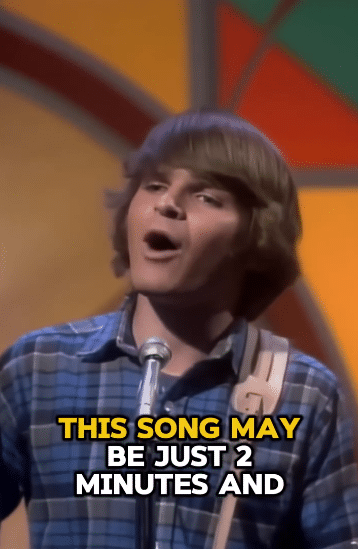
Few bands captured the earthy, direct power of American rock quite like Creedence Clearwater Revival, often called CCR. Led by John Fogerty, the band became one of the defining groups of the late 1960s and early 1970s.
Their music blended rock, blues, country, roots music, and Southern-inspired rhythms, even though the band came from California. That distinctive sound became known as swamp rock. It was simple in the best possible way: strong grooves, memorable hooks, sharp guitar work, and vocals that sounded like they came from somewhere deep and honest.
CCR did not need flashy production or complicated arrangements to make a song work. Their strength came from feel. They knew how to take a rhythm and make it move. They knew how to make a guitar riff sound timeless. Most importantly, they knew how to make music that felt real.
That is exactly what they did with “Good Golly Miss Molly.”
A Rock ‘n’ Roll Song Built for Movement
From the opening moments, CCR’s version of “Good Golly Miss Molly” feels like a song meant to be played loud.
The drums kick in with force. The guitar riff is simple but instantly recognizable. The rhythm section drives the song forward with no wasted space. Everything about the track is designed to create motion.
Then John Fogerty’s voice enters.
His vocals are rough, urgent, and full of character. He does not smooth the song out or turn it into something polished. Instead, he leans into the excitement. His delivery gives the track a sense of fun and danger, perfectly matching the spirit of the lyrics.
The song tells the story of Miss Molly, a young woman who loves to dance, have fun, and live with excitement. The lyrics are playful, but they also carry the feeling of youthful rebellion. This is music about breaking loose, ignoring worries, and enjoying the moment while it lasts.
That feeling is one reason the song has remained so popular.
Honoring Little Richard While Making It Their Own
“Good Golly Miss Molly” will always be closely connected to Little Richard, one of the true architects of rock ‘n’ roll. His original recording was explosive, joyful, and groundbreaking. It helped define the sound and attitude of early rock music.
When Creedence Clearwater Revival recorded their version, they did not try to erase that history. Instead, they paid tribute to it.
But CCR also gave the song their own identity.
Their version is grittier and more guitar-driven. The swamp rock rhythm adds a heavier feel, while the band’s tight performance gives the track a slightly different kind of power. It is less frantic than Little Richard’s version, but still full of fire.
That balance is what makes a great cover work. It respects the original while giving listeners a new reason to hear the song again.
CCR understood the roots of rock ‘n’ roll, and their version of “Good Golly Miss Molly” shows that clearly. They brought the song into their own musical world without losing the wild joy that made it famous in the first place.
John Fogerty’s Voice Brings the Song to Life
One of the biggest reasons CCR’s version works so well is John Fogerty’s vocal performance.
Fogerty has one of the most recognizable voices in classic rock. His tone is raspy, forceful, and packed with emotion. He could sound angry, playful, desperate, or joyful depending on the song, but he always sounded unmistakably himself.
On “Good Golly Miss Molly,” he sounds like he is having a great time.
That matters. The song is not meant to be overly serious. It is meant to move. It is meant to bring energy into the room. Fogerty’s voice delivers that energy with confidence and style.
His performance gives the song a lived-in feeling, as if it belongs equally in a packed concert hall, a roadside bar, or an old car radio turned up on a summer night.
Why the Song Still Feels Timeless
Many songs from the 1950s and 1960s are remembered with affection, but not all of them still feel exciting. “Good Golly Miss Molly” does.
Part of its staying power comes from its simplicity. The song does not overcomplicate anything. It has a strong rhythm, a memorable chorus, and a performance that bursts with life.
Another reason it lasts is nostalgia. For listeners who grew up with this music, the song carries memories. It may remind them of youth, first dances, teenage freedom, old friends, or a time when music felt like a personal escape.
But even for younger listeners, the song still works. Its energy is direct. Its rhythm is infectious. Its message is easy to understand: sometimes, music exists simply to make people feel alive.
That is something every generation can connect with.
A Reminder of Rock ‘n’ Roll’s Original Spirit
Before rock became complicated, polished, or heavily produced, it was built on rhythm, attitude, and excitement. “Good Golly Miss Molly” represents that original spirit.
It is not trying to impress with complexity. It is trying to shake the room.
That is what great rock ‘n’ roll does. It cuts through hesitation. It makes people move. It brings out memories, joy, and energy that might have been waiting quietly in the background.
Creedence Clearwater Revival’s version keeps that spirit intact. Their performance is tight, lively, and full of respect for the roots of the music. It reminds us why rock ‘n’ roll became such a powerful cultural force in the first place.
Two Minutes That Still Matter
“Good Golly Miss Molly” may be short, but its impact is anything but small. In just a little over two minutes, it delivers everything a classic rock song needs: rhythm, attitude, vocals, guitar, and a feeling that stays with the listener long after the music stops.
For some, it is a party song. For others, it is a memory. For many, it is a direct line back to youth.
That is the magic of timeless music.
It does not fade just because decades pass. It keeps playing, keeps moving, and keeps reminding people of who they were when they first heard it.
Creedence Clearwater Revival took a rock ‘n’ roll classic and gave it their own unmistakable sound. The result remains one of those songs that can still fill a room with energy almost instantly.
Short, powerful, and unforgettable — “Good Golly Miss Molly” proves that a song does not need to be long to last a lifetime.


