Some songs do more than become hits. They become part of the emotional memory of an entire generation. “California Dreamin’” by The Mamas & The Papas is one of those rare songs.
Released during the mid-1960s, it captured a feeling that millions of people understood: the desire to escape somewhere warmer, brighter, and more hopeful. On the surface, it is a song about missing California during a cold winter day. But beneath that simple idea is something much deeper — a longing for comfort, freedom, and a better life.
That emotional honesty is one reason “California Dreamin’” is still considered one of the greatest songs ever written. Decades after its release, the song continues to feel fresh, haunting, and unforgettable.
The Story Began in New York City
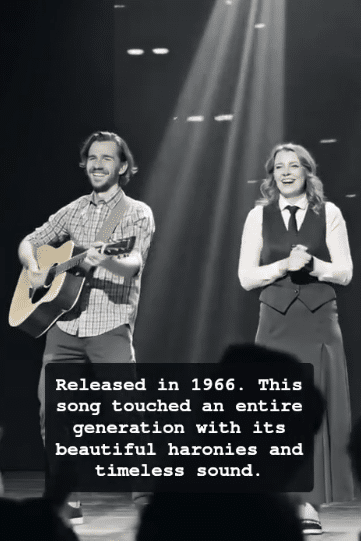
The inspiration for “California Dreamin’” came during a cold New York winter. John Phillips and Michelle Phillips were living in the city at the time, far away from the sunshine of California. For Michelle, who was from California, the harsh East Coast winter felt especially difficult.
She missed the warmth. She missed the light. She missed the feeling of home.
That homesickness became the emotional foundation of the song.
John Phillips began shaping those feelings into lyrics. The now-famous image of brown leaves and a gray sky perfectly captured the mood of winter in New York. It was simple, visual, and instantly relatable. Anyone who has ever felt trapped in a place they did not want to be can understand the emotion behind the words.
The song was not just about weather. It was about wanting to be somewhere else — physically, emotionally, and spiritually.
The Mamas & The Papas Created a Sound That Defined an Era
At the time, John and Michelle Phillips were part of a folk group called The New Journeymen. Their musical path soon changed when they joined with Denny Doherty and Cass Elliot to form The Mamas & The Papas.
Together, they created one of the most recognizable vocal sounds of the 1960s. Their harmonies were rich, smooth, and emotionally powerful. They blended folk, pop, and rock influences in a way that felt both polished and deeply human.
The group’s chemistry gave “California Dreamin’” its lasting magic.
Denny Doherty’s lead vocal carried the song with a sense of quiet sadness, while the harmonies wrapped around him like memory itself. Cass Elliot’s voice added warmth and depth, helping the track feel larger than a personal story. It became something universal.
For listeners, the song felt like standing between two worlds: the cold present and the warm place you wish you could reach.
The Song Was Recorded Before It Became Their Signature Hit
Before The Mamas & The Papas released their own version, “California Dreamin’” was first recorded by Barry McGuire. The group provided backing vocals on that earlier recording, but it soon became clear that the song had even greater potential in their own hands.
When they recorded their version, everything came together.
The guitar introduction, played by P.F. Sloan, immediately set the tone. It was mysterious, gentle, and slightly melancholy. Then the vocals entered, pulling the listener into a world of cold streets, winter skies, and distant sunshine.
One of the most memorable parts of the recording is the alto flute solo by jazz musician Bud Shank. That unexpected musical choice gave the song a haunting quality. It was not just another pop single. It sounded cinematic, emotional, and unique.
Every element worked: the lyrics, the harmonies, the production, the instrumental details, and the mood.
That is why the song still stands out.
A Slow Start Before Becoming a Classic
When “California Dreamin’” was released in December 1965, it did not immediately become a massive hit. Its rise took time. A radio station in Boston helped give the song important early attention, and from there, listeners across the country began to respond.
By 1966, the song had become a major success and helped establish The Mamas & The Papas as one of the defining groups of the decade.
But chart success alone does not explain its legacy. Many songs reach the top of the charts and fade away. “California Dreamin’” endured because it spoke to something timeless.
It captured the feeling of wanting a different life.
That theme is universal. Whether someone is dreaming of another city, another relationship, another career, or a more secure future, the emotion is familiar. In that sense, the song connects not only to music history but also to the personal hopes people carry through life.
Why “California Dreamin’” Still Resonates Today
The power of “California Dreamin’” lies in its balance of sadness and hope. The lyrics describe cold weather and loneliness, but the music never feels completely hopeless. There is always the dream of California — the possibility that something warmer and brighter exists somewhere else.
That contrast is what makes the song so emotionally rich.
It is not simply a happy song. It is not simply a sad song. It lives somewhere in between, which is where many real emotions exist.
The best songs often work that way. They do not tell listeners exactly what to feel. Instead, they create a space where different feelings can exist at the same time.
For some people, “California Dreamin’” feels nostalgic. For others, it feels like a song about escape. For others, it represents the cultural energy of the 1960s — a time when young people were questioning old paths and imagining new possibilities.
A Song That Crossed Generations
Over the years, “California Dreamin’” has been covered by many artists in different styles. Rock bands, pop singers, jazz musicians, and performers from around the world have all found something worth revisiting in the song.
Its use in movies, television shows, commercials, and documentaries has introduced it to younger generations again and again. Even listeners who were not alive in the 1960s often recognize the melody instantly.
That kind of staying power is rare.
The song has become more than a recording. It is a cultural symbol. It represents the dream of California, the ache of distance, and the belief that somewhere beyond the gray sky, there may be a place that feels more like home.
The Lasting Legacy of The Mamas & The Papas
The Mamas & The Papas created several beloved songs, but “California Dreamin’” remains their signature masterpiece. It showed what made the group special: emotional songwriting, unforgettable harmonies, and a sound that blended folk sincerity with pop accessibility.
Their influence can still be heard in music today. Artists continue to study their vocal arrangements, their storytelling, and the way they captured a specific cultural mood without losing universal appeal.
“California Dreamin’” also reminds us that great music often begins with a simple human feeling. In this case, it was homesickness. A woman missed the warmth of California. A songwriter turned that longing into lyrics. A group of extraordinary voices transformed it into history.
More Than a Song — A Piece of Cultural Memory
Decades later, “California Dreamin’” still has the power to transport listeners. The moment the guitar begins, it creates a mood. The voices enter, and suddenly the listener is standing on a cold street, looking toward a warmer horizon.
That is the magic of timeless music.
It does not need to explain itself. It simply makes people feel.
“California Dreamin’” remains one of the greatest songs ever written because it captures something deeply human: the desire to escape the cold, to find light, and to believe that a better place is still waiting somewhere ahead.
It is a song about longing, but also about hope.
And that is why it will continue to resonate for generations.


