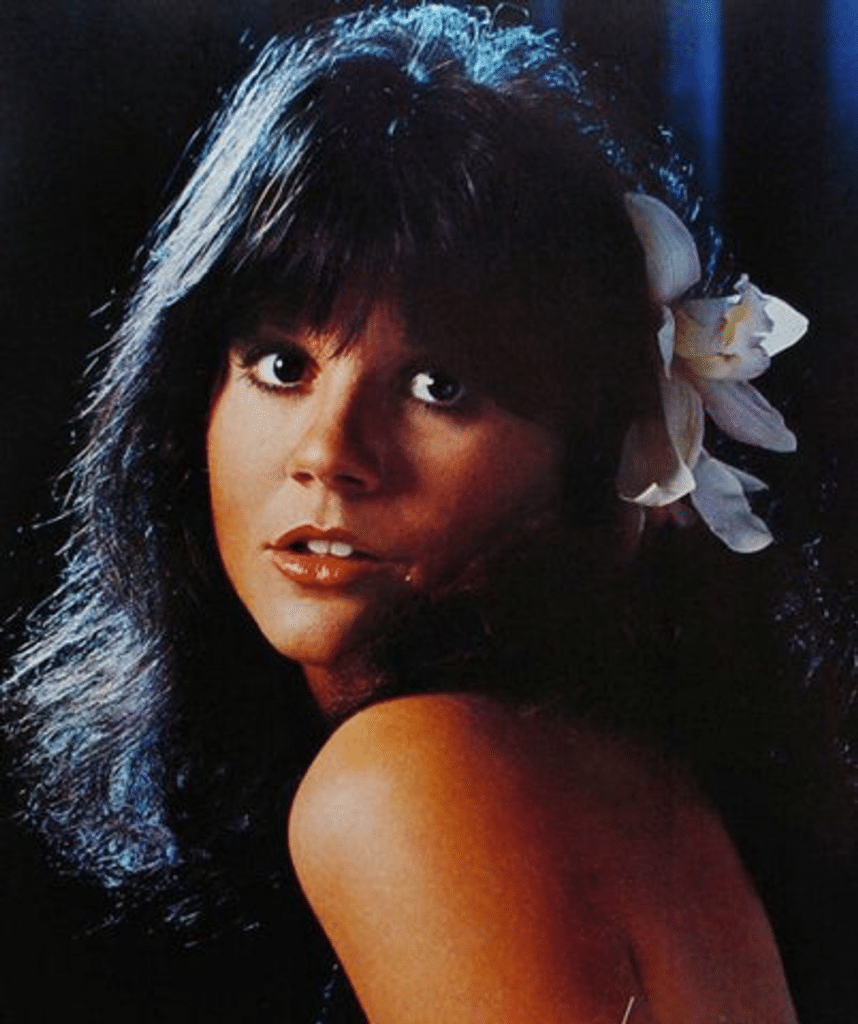
When Linda Ronstadt released “Long, Long Time” in 1970, it became one of the most emotional performances of her early career. The song did not need loud production or dramatic effects. Its power came from Ronstadt’s voice, filled with longing, sadness, and quiet heartbreak.
Written by Gary White, the song tells the story of loving someone who does not love you back. It is simple, painful, and deeply human. That honesty helped make it one of Ronstadt’s most unforgettable recordings.
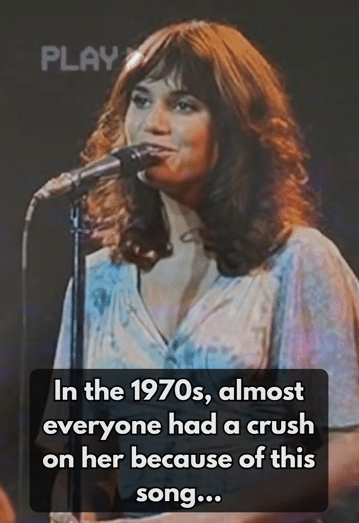
A Breakthrough Moment
Before becoming one of the biggest female artists of the 1970s, Ronstadt had already gained attention with The Stone Poneys and their hit “Different Drum.” But “Long, Long Time” showed a different side of her talent.
It proved she was more than a strong singer. She was a storyteller.
Her delivery made every line feel personal, as if she was living the heartbreak while singing it. That emotional control became one of the qualities that made her career so remarkable.
Why the Song Still Matters
“Long, Long Time” reached No. 25 on the Billboard Hot 100 and earned Ronstadt a Grammy nomination. But its legacy goes far beyond chart numbers.
The song became a classic because it captures a feeling many people know too well: waiting, hoping, and loving someone who may never return that love.
Ronstadt never over-sings the track. Instead, she lets the pain unfold slowly. That restraint makes the song even more powerful.
A Timeless Classic
Over the years, “Long, Long Time” has remained one of Linda Ronstadt’s most respected songs. It found new attention after being featured in HBO’s The Last of Us, introducing its haunting beauty to a new generation.
Even decades later, the song still feels fresh because heartbreak has no expiration date.
Linda Ronstadt’s performance remains a reminder that sometimes the quietest songs leave the deepest mark