Few songs from the 1960s blended humor and heartbreak as skillfully as “Flowers on the Wall.” Released in late 1965 by The Statler Brothers, the song became an instant favorite thanks to its witty lyrics, memorable melody, and emotional depth hidden beneath its playful surface.
Nearly six decades later, it remains one of the most distinctive recordings of the era, proving that great storytelling never goes out of style.
A Different Kind of Country Hit
During the mid-1960s, country music was largely filled with traditional love songs and tales of heartbreak. “Flowers on the Wall” stood apart from the crowd.
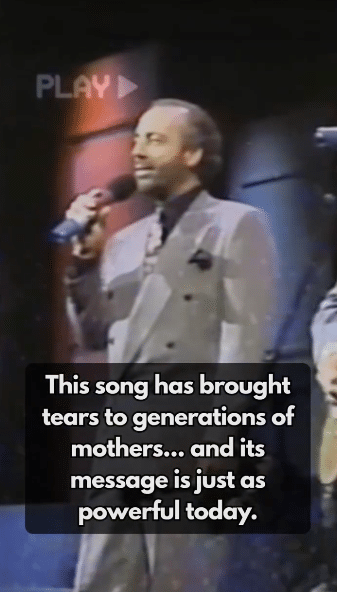
Rather than telling a straightforward story of romance, the song introduced listeners to a lonely man insisting that everything was fine while amusing himself by counting flowers on the wall, playing solitaire with a missing card, and watching television.
The lyrics were humorous on the surface, but underneath they revealed a much deeper portrait of loneliness, denial, and emotional resilience.
That unique combination helped the song connect with audiences across multiple genres.
The Story Behind the Song
The song was written by Lew DeWitt, the bass singer of The Statler Brothers. Originally formed as a gospel quartet in Virginia, the group spent several years performing before joining Johnny Cash as his backing vocalists.
Touring with Cash introduced the group to national audiences and gave them valuable experience that would later help launch their own recording career.
When “Flowers on the Wall” was released through Mercury Records, listeners immediately noticed how different it sounded.
Its clean harmonies, light instrumentation, and conversational storytelling created a fresh sound that was both entertaining and emotionally relatable.
A Major Chart Success
“Flowers on the Wall” quickly climbed the charts after its release.
The song reached:
- No. 2 on the Billboard Hot Country Singles chart
- No. 4 on the Billboard Hot 100
Its success demonstrated that country music could cross into mainstream pop without losing its identity.
The recording also earned The Statler Brothers a Grammy Award, establishing the group as one of the leading vocal acts of the decade.
Why Listeners Still Love It
One reason the song has remained popular is its balance between comedy and honesty.
The narrator never openly admits feeling lonely. Instead, listeners gradually realize that his unusual daily routine is his way of coping with heartbreak.
That emotional subtlety gives the song lasting appeal.
Many fans recognize pieces of themselves in the lyrics, making the song feel surprisingly modern despite being released in 1965.
A Career-Defining Hit
The success of “Flowers on the Wall” transformed The Statler Brothers from respected backup singers into stars in their own right.
The breakthrough opened the door to decades of successful recordings, tours, and awards, eventually leading to their induction into the Country Music Hall of Fame.
For songwriter Lew DeWitt, the song became his signature achievement and remains one of the finest examples of clever country songwriting.
A Lasting Cultural Legacy
The song found new audiences throughout the years thanks to radio airplay, television, and one particularly memorable appearance in Quentin Tarantino’s 1994 film Pulp Fiction.
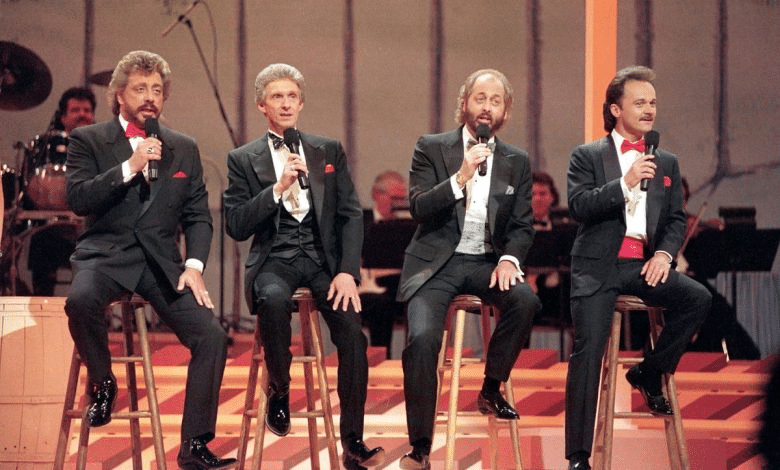
Its inclusion introduced the classic to younger generations, proving that its charm extended far beyond its original era.
Today, “Flowers on the Wall” continues to appear on classic country playlists and collections celebrating the greatest songs of the 1960s.
Why It Still Matters
Great songs often tell universal stories, and “Flowers on the Wall” does exactly that.
Behind its playful lyrics lies a thoughtful reflection on loneliness, heartbreak, and the small distractions people use to keep moving forward.
The Statler Brothers combined outstanding vocal harmonies with smart songwriting to create a record that remains both entertaining and emotionally meaningful.
Nearly sixty years after its release, “Flowers on the Wall” still reminds listeners that sometimes the most memorable songs are the ones that make us smile while quietly touching the heart.


