When The Kinks released “Sunny Afternoon” in June 1966, rock music was changing fast. Many artists were experimenting with psychedelic sounds, abstract lyrics, and bold studio production.
But The Kinks took a different path.
Instead of creating something loud or surreal, they released a relaxed, clever, and sharply written song that told a story about wealth, frustration, and social change.
On the surface, “Sunny Afternoon” sounds light and cheerful. Beneath that calm melody, however, is one of the smartest pieces of social commentary of the 1960s.
The Kinks and Ray Davies’ Songwriting Shift
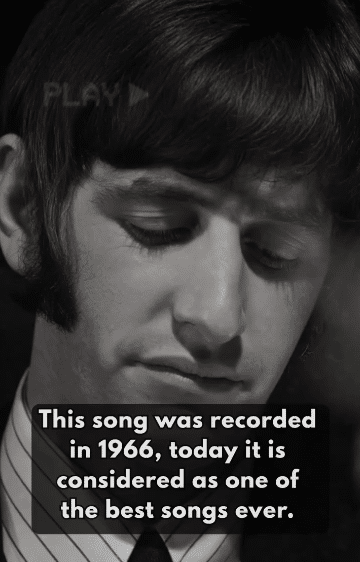
The Kinks had already become famous with energetic hits like “You Really Got Me” and “All Day and All of the Night.”
Those songs were built around powerful guitar riffs and youthful attitude.
But by 1966, Ray Davies was becoming a more detailed and observant songwriter. He began focusing less on simple rock rebellion and more on everyday life, British culture, class, and human behavior.
“Sunny Afternoon” became one of the clearest examples of that transformation.
The Meaning Behind the Song
The song’s narrator is a wealthy man who feels sorry for himself after losing money, status, and comfort. He complains about taxes, his yacht, and his girlfriend leaving him.
Yet he is still relaxing in the sun.
That contrast is what makes the song so clever.
Rather than directly attacking privilege, Ray Davies created a character who exposes his own entitlement through his complaints. The result is humorous, subtle, and memorable.
Why the Song Became a Hit
“Sunny Afternoon” reached number one on the UK Singles Chart and became one of The Kinks’ defining songs.
Its success proved that popular music could be catchy and meaningful at the same time.
The arrangement was also important. The descending bass line, gentle rhythm, piano touches, and Ray Davies’ understated vocal delivery created a sound that was calm on the outside but full of irony underneath.
A Lasting Influence
Decades later, “Sunny Afternoon” remains one of the most respected songs of the 1960s.
Its influence can be heard in later British songwriting, especially in artists who combined humor, character sketches, and social observation.
The song helped show that rock and pop music could be literary, satirical, and commercially successful all at once.
Final Thoughts
“Sunny Afternoon” is more than a nostalgic 1960s hit.
It is a brilliant example of how a simple melody can carry deeper meaning. With charm, wit, and quiet criticism, The Kinks created a song that still feels fresh more than half a century later.
That is why it continues to be remembered as one of the greatest songs of its era.


