Some criminal cases are remembered not only because of what happened, but because of the questions they leave behind for decades.
The case often shared online with references to Hope Rippey and a “60-year sentence” appears to refer to the 1992 murder of Shanda Sharer, a 12-year-old girl from New Albany, Indiana. Her d*ath drew national attention because of the victim’s young age, the brutality of the crime, and the fact that the four people convicted were teenage girls between 15 and 17 years old.
A Case That Horrified the Country
In January 1992, Shanda Sharer was lured from her father’s home under false pretenses. According to later reporting, the crime was connected to jealousy involving a teenage relationship. The four girls involved were Melinda Loveless, Laurie Tackett, Hope Rippey, and Toni Lawrence.
The details of what happened were deeply disturbing, and responsible coverage should avoid turning Shanda’s suffering into entertainment. What matters most is that a child lost her life in a crime that devastated her family and shocked communities across Indiana and beyond.
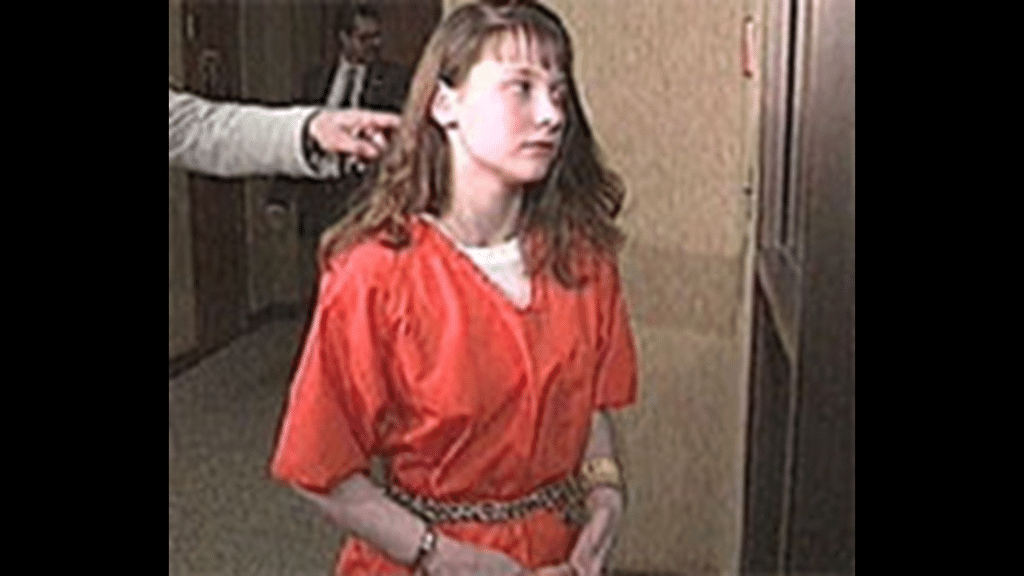
News outlets later described the case as one of the most notorious juvenile murder cases of its time. WDRB reported that Loveless was considered the person who initiated the attack, while the others participated in different ways.
The Sentences and Public Reaction
All four teenagers were charged as adults and eventually accepted plea agreements. People reported that Loveless and Tackett received 60-year sentences, Rippey also received a 60-year sentence with part suspended and later reduced on appeal, while Lawrence received a 20-year sentence.
Hope Rippey’s name continues to appear in viral posts because of her role in the case and the sentencing discussion that followed. However, some online versions focus on dramatic courtroom reactions without clear sourcing. Reliable reporting centers more on the legal outcome, the later releases, and the ongoing pain experienced by Shanda’s family.
Rippey was released from prison in 2006 after serving about 14 years, according to local reporting. WTHR reported at the time that Shanda’s mother was angered by the release, a reaction that reflected the deep and lasting grief surrounding the case.
Why the Case Still Sparks Debate
The Shanda Sharer case remains controversial because it sits at the intersection of several difficult issues: juvenile crime, adult sentencing, accountability, rehabilitation, and the rights of victims’ families.
Some people argue that the severity of the crime required extremely serious punishment, regardless of the perpetrators’ ages. Others point out that the defendants were teenagers and raise questions about whether young offenders can change after years in prison.
Those debates became even louder as the women were released over time. Toni Lawrence was released in 2000, Hope Rippey in 2006, Laurie Tackett in 2018, and Melinda Loveless in 2019.
For many people, especially those close to Shanda, release dates did not feel like closure. A sentence can end, but grief does not follow a legal calendar.
The Human Cost Behind the Headlines
True-crime stories often become headlines, documentaries, online posts, and comment-section debates. But at the center of this case was a 12-year-old girl whose life was stolen.
Shanda Sharer was not just a name in a court file. She was a daughter, a student, a friend, and a child with a future. The continued attention around the case should keep that truth at the center.
Her family carried the loss long after the trials ended. The case also forced many communities to confront uncomfortable questions about teenage violence, bullying, jealousy, warning signs, and the responsibility adults have to protect children.
A Lasting Lesson About Justice and Prevention
The legal system punished the people responsible, but punishment alone cannot undo the harm. Cases like this remind society that prevention matters too.
Children and teenagers need safe adults, early intervention, mental health support, and environments where threats, harassment, and escalating violence are taken seriously. When warning signs are ignored, the consequences can become irreversible.
The Shanda Sharer case remains painful because it was not only a crime of violence. It was a collapse of empathy, judgment, and protection.
Final Thoughts
The viral question asks what happened after the kidnapping and torture of a 12-year-old shocked America.
The answer is complicated.
There were guilty pleas.
There were long prison sentences.
There were appeals and releases.
There was public anger.
There were ongoing debates about justice and rehabilitation.
But above all, there was a family left with a loss that no sentence could fully repair.
Shanda Sharer’s story should not be remembered for shock value. It should be remembered as a warning about cruelty, accountability, and the importance of protecting vulnerable children before tragedy occurs.
Her name deserves to remain at the center of the story.


