Finding a strange insect in your home is unsettling enough. But when someone in the family gets bitten, panic can set in quickly—especially if the bug looks large, spiky, and unfamiliar.
The insect identified here appears to be a wheel bug, scientifically known as Arilus cristatus. This insect belongs to the assassin bug family and is known for the distinct, gear-like ridge on its back that looks like a small wheel. Adult wheel bugs are usually grayish-brown, have long legs, a curved beak-like mouthpart, and can grow to about 1 to 1.25 inches long.
The good news: a wheel bug is usually not life-threatening to most people.
The bad news: its bite can be extremely painful.
What Is a Wheel Bug?
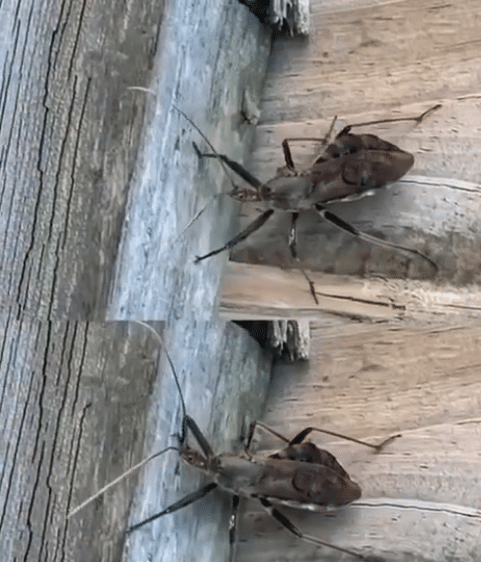
Wheel bugs are predatory insects. They use their strong front legs to grab prey and their piercing mouthpart to inject saliva into insects they hunt. In gardens, they can actually be beneficial because they feed on pests such as caterpillars, beetles, aphids, stink bugs, and other insects.
However, “beneficial” does not mean harmless if handled.
Wheel bugs are not aggressive toward people and generally do not chase or attack humans. They usually bite only when they are touched, trapped, picked up, pressed against the skin, or handled carelessly. Their bite is more like a painful stab from their sharp mouthpart.
Is a Wheel Bug Bite Dangerous?
For most healthy adults, a wheel bug bite is painful but not usually medically serious. Texas A&M AgriLife Extension notes that physician treatment is usually not needed for a typical wheel bug bite, though the pain can be intense.
That said, the bite should still be taken seriously.
The pain may be immediate and strong. Some people describe it as worse than a bee or wasp sting. The area may become red, swollen, tender, itchy, or numb. Illinois Extension notes that after the first sharp pain, numbness may last for days, and the wound can take weeks to fully heal in some cases.
The biggest concern is not usually venom poisoning. The main concerns are pain, swelling, possible skin irritation, secondary infection, or an allergic reaction.
What to Do Right Now After a Wheel Bug Bite
First, move your father away from the insect so he is not bitten again. Do not try to crush or handle the bug with bare hands.
Next, wash the bite area gently with soap and clean water. Texas A&M recommends washing the site and applying an antiseptic after a wheel bug bite.
Apply a cold compress or ice pack wrapped in cloth for 10 to 20 minutes to help reduce pain and swelling. Mayo Clinic recommends cold applications for mild insect bite or sting reactions.
If the bite is on an arm or leg, elevating the limb may help reduce swelling. For discomfort, an over-the-counter pain reliever may help if your father can safely take it. Mayo Clinic also lists antihistamines, calamine lotion, baking soda paste, or low-strength hydrocortisone cream as possible options for itching or mild skin irritation after insect bites or stings.
Do not cut the bite, squeeze it, burn it, or apply harsh chemicals.
When to Seek Emergency Help
Call emergency services immediately if your father develops signs of a severe allergic reaction. Warning symptoms include trouble breathing, swelling of the lips, face, eyelids, tongue, or throat, dizziness, fainting, rapid weak pulse, widespread hives, nausea, vomiting, or diarrhea. Mayo Clinic identifies these as signs that may suggest anaphylaxis after an insect bite or sting.
People with a history of severe allergic reactions to insect bites or stings should carry an epinephrine autoinjector and medical identification, according to CDC/NIOSH guidance.
Even without severe allergy symptoms, medical care is a good idea if the pain is extreme, swelling spreads quickly, redness expands after a day or two, pus appears, fever develops, red streaks move away from the bite, or the person has diabetes, immune suppression, heart disease, or another condition that makes infections more risky.
Should You Kill Wheel Bugs Around the House?
Avoid touching them, but widespread pesticide use is usually unnecessary. Wheel bugs are beneficial predators and are not usually abundant enough to require insecticide treatment. Texas A&M notes that control is generally not recommended because assassin bugs help reduce pest insects.
If one gets inside, use a cup and cardboard, thick gloves, or a container to remove it safely. Keep children and pets away from it. Never pick it up barehanded, even if it appears slow or harmless.
Wheel bugs may be attracted to lights at night, and adults are commonly noticed from midsummer into fall when they become larger and more visible.
Final Advice
If your father was bitten by a wheel bug, do not panic—but do not ignore it.
Clean the wound, use a cold compress, manage pain carefully, and monitor him closely. Most wheel bug bites are painful local reactions, not emergencies. But any breathing trouble, facial swelling, dizziness, widespread hives, vomiting, or rapidly worsening symptoms require immediate medical attention.
The insect may look frightening, but it is not out to attack people. It likely bit because it felt trapped or handled.
The safest approach is simple: treat the bite, watch for warning signs, avoid touching the bug again, and contact a medical professional if symptoms worsen or if your father has any health condition that increases risk.


