Before Sylvester Stallone became one of the most recognizable names in Hollywood, his life looked nothing like a success story.
Long before the fame, blockbuster movies, red carpets, and worldwide recognition, Stallone faced rejection, poverty, loneliness, and constant criticism. His journey was not built on luck or an easy path into the entertainment industry. It was built on persistence, sacrifice, and a refusal to give up when nearly everyone told him he should.
Today, millions know him as the face of unforgettable films like Rocky, Rambo, and The Expendables. But behind that powerful screen image is a real story of struggle that began almost from the moment he was born.
A Difficult Beginning
Sylvester Stallone was born on July 6, 1946, in New York City. During his birth, complications caused nerve damage to part of his face. As a result, he developed partial facial paralysis, which affected his speech and facial expressions.
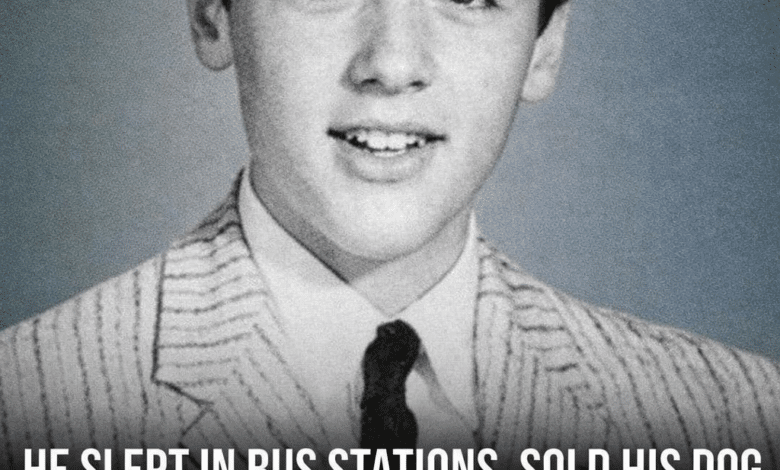
The slurred voice and distinctive look that later became part of his iconic identity were not always seen as strengths.
As a child, Stallone was often misunderstood. Some people judged him because of the way he spoke. Others assumed he lacked intelligence simply because his speech sounded different. At school, he dealt with bullying, criticism, and the painful feeling of being treated like an outsider.
Instead of being encouraged, he was often dismissed.
Home life was also difficult. His parents had a troubled relationship, and their arguments created an unstable environment. Their eventual divorce added more pain and confusion to his childhood. Stallone later described those early years as lonely and emotionally challenging.
He struggled to find a place where he truly felt accepted.
Finding Purpose Through Acting
As a teenager, Stallone’s frustration sometimes showed through his behavior. He attended several schools and was expelled more than once. To many people around him, he seemed like a young man with no clear path.
But eventually, he discovered acting.
For Stallone, acting became more than a dream of fame. It gave him a way to express emotions he had carried for years. Through performance, he could turn pain, insecurity, and rejection into something meaningful.
Acting gave him direction.
It gave him hope.
Determined to pursue a career in entertainment, Stallone moved to New York City and began chasing opportunities. But success did not come quickly. In fact, the early years of his career were filled with hardship.
Rejection After Rejection
Stallone struggled financially while trying to break into acting. He had little money and often lived in difficult conditions. At times, he slept in bus stations because he could not afford proper housing.
He went to auditions again and again, only to hear rejection after rejection.
Casting directors criticized his appearance. Some said his voice was a problem. Others told him he did not look like a leading man and would never become a star.
Those words could have ended his dream.
But Stallone kept going.
He continued writing, training, auditioning, and searching for any chance to prove himself. Even when doors closed in his face, he refused to believe that rejection was the final answer.
The Heartbreaking Moment With His Dog
One of the lowest moments in Stallone’s life came when he was so desperate for money that he had to sell his beloved dog, Butkus.
With almost nothing left, he sold the dog outside a liquor store for a small amount of money. It was not because he wanted to. It was because he felt he had no other choice.
For Stallone, the loss was devastating.
But that painful moment would later become part of one of the most inspiring comeback stories in Hollywood history.
The Night That Changed Everything
In 1975, Stallone watched a boxing match between Muhammad Ali and Chuck Wepner. Wepner was a major underdog, but he managed to last fifteen rounds against one of the greatest boxers of all time.
Stallone was deeply moved by what he saw.
The idea of an ordinary fighter refusing to quit stayed with him. Inspired by that underdog spirit, he went home and began writing a screenplay.
In just a few days, he completed the script for Rocky.
The story was emotional, simple, and powerful: a struggling boxer gets one chance to prove he is more than the world believes him to be.
In many ways, Rocky Balboa’s story was Stallone’s story.
Refusing to Sell His Dream
Studios quickly became interested in the script. They saw the potential in the story and wanted to buy it.
But there was one major problem.
They did not want Stallone to play the lead role.
Executives wanted a well-known actor to star as Rocky. They offered Stallone large sums of money for the screenplay, which could have changed his life immediately. Considering how broke he was, accepting the money would have been understandable.
But Stallone refused.
He believed he was meant to play Rocky Balboa.
He knew the character because he had lived the same kind of struggle. He understood rejection, hunger, doubt, and the desperate need for one chance.
So he made a decision that many people thought was foolish: he would not sell the script unless he was allowed to star in the movie.
Eventually, a studio agreed.
The film was made on a modest budget, but what it lacked in money, it made up for in heart.
Rocky Changed Everything
When Rocky was released in 1976, it became a cultural phenomenon.
Audiences connected with the story of an underdog who refused to quit. The film’s emotional honesty, memorable characters, and inspiring message touched people around the world.
Rocky went on to win the Academy Award for Best Picture, and Stallone became a star almost overnight.
The man who had been told he was not good enough suddenly became one of the most talked-about actors and writers in Hollywood.
His success proved something powerful: sometimes the qualities people criticize are the very things that make someone unforgettable.
Bringing Butkus Home
After Rocky became successful, Stallone did something deeply personal.
He found the man who had purchased his dog, Butkus, and asked to buy him back. At first, the man refused. But Stallone was determined to bring his friend home.
He eventually paid thousands of dollars to get Butkus back.
For Stallone, the money did not matter. Reuniting with his dog meant reclaiming a piece of himself from the hardest chapter of his life.
Butkus even appeared in Rocky, making the story even more meaningful.
A Legacy Built on Persistence
Sylvester Stallone went on to build one of the most memorable careers in entertainment. Through characters like Rocky Balboa and John Rambo, he became known for portraying fighters, survivors, and underdogs who refused to surrender.
That image resonated because it was rooted in truth.
Stallone’s real life had already taught him what it meant to keep standing after being knocked down.
His journey continues to inspire people because it is not just about fame. It is about believing in yourself when the world doubts you. It is about protecting your dream even when easier options appear. It is about understanding that rejection does not always mean failure.
Sometimes, rejection is simply the long road to the right opportunity.
Final Thoughts
Sylvester Stallone’s story is one of the most powerful examples of determination in Hollywood history.
He was mocked for his voice, judged for his appearance, rejected by the industry, and pushed into poverty. Yet he refused to give up. Instead, he turned his pain into a story that inspired millions.
The world eventually came to know his name.
But before that happened, Stallone had to fight for his dream when almost nobody believed in him.
And that is why his story remains unforgettable.


