When The Osmonds released “Down By The Lazy River” in January 1972, few could have predicted just how influential the track would become. Bursting with energy, confidence, and a playful rebelliousness, the song marked a dramatic shift from the polished pop image that had defined the family group. It quickly soared to No. 4 on the Billboard Hot 100 in the U.S. and reached No. 3 on the UK Singles Chart, solidifying The Osmonds as a serious musical force capable of evolving with the times.
From Barbershop Quartets to Rock-Pop Innovators
The Osmonds began their journey in Ogden, Utah, performing as a barbershop quartet of brothers Alan, Wayne, Merrill, and Jay. Their appearances on The Andy Williams Show in the 1960s introduced audiences to their harmonious vocals, wholesome image, and close family bond. But as the late ’60s gave way to the 1970s, the brothers recognized that to stay relevant, they needed to grow artistically.
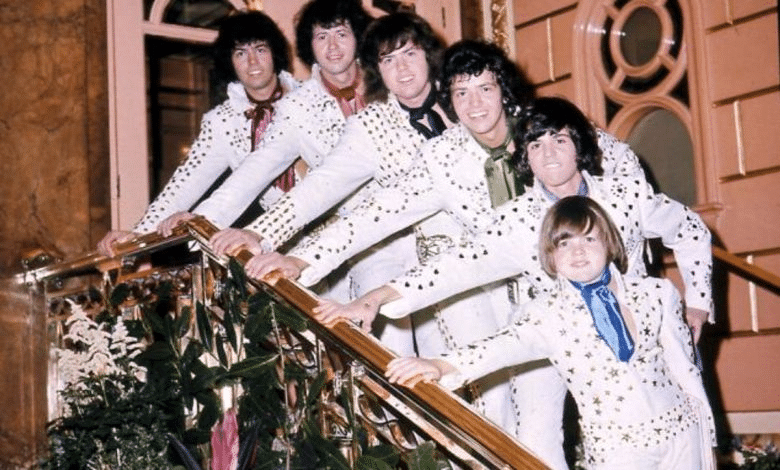
With younger brother Donny joining the lineup, they drew inspiration from contemporary acts like The Jackson 5 and rock bands that dominated the charts. Rather than sticking with safe, teen-idol pop, they chose to push boundaries, combining their harmonies with a harder, more energetic sound.
A Bold Statement of Creative Independence
Written by Alan and Merrill Osmond, “Down By The Lazy River” was never meant to be reflective or sentimental. Instead, it was an anthem of freedom and escapism. The “lazy river” in the lyrics symbolized a carefree place where listeners could leave worries behind and embrace simple joy. Merrill later recalled that the songwriting process was exhilarating, and that energy carried through to the recording, producing a track designed to be loud, exciting, and unforgettable.
Musically, the song leaned heavily into rock influences. Driving electric guitars, powerful drums, and dynamic vocal exchanges created an intensity previously unseen in the group’s catalog. Merrill’s gritty lead vocals contrasted with their signature harmonies, creating a sound that appealed to teenagers and adults alike. Producer Alan Osmond intentionally crafted a track that distanced itself from the family-friendly pop formula, establishing The Osmonds as versatile and ambitious musicians.
Immediate Impact and Legacy
The response was instantaneous. “Down By The Lazy River” remained on the Billboard Hot 100 for fourteen weeks, becoming one of the group’s most successful singles. Beyond commercial success, it also earned critical recognition, with publications that had once dismissed the group acknowledging their artistic growth. By blending bubblegum pop with rock elements, the song attracted a diverse audience and allowed The Osmonds to shed the limitations of their clean-cut image.
The early ’70s were a period of cultural uncertainty and social change, and the song’s upbeat, liberating message resonated deeply with listeners seeking optimism and escapism. Its airplay extended beyond pop and Top 40 stations, reaching some rock outlets that had previously overlooked family-oriented acts.
Opening Doors for the Future
With the success of “Down By The Lazy River,” The Osmonds transitioned from television personalities into major international recording artists. The single paved the way for extensive tours across the U.S., the U.K., and Japan, while also inspiring other family-based acts to experiment with bolder sounds. Later performers, including Hanson and the Jonas Brothers, followed a similar crossover approach, balancing pop accessibility with more adventurous musical influences.
Cover versions of the track throughout the 1990s and 2000s brought it to new audiences, showcasing its adaptability and enduring appeal. Despite reinterpretations, the original recording remains unmatched in energy and spirit.
Behind the scenes, the Osmonds navigated the pressures of fame, touring, and public expectations. Merrill reflected that the song represented a rare moment when the whole group shared a unified artistic vision—a breakthrough that allowed them to push past previous limitations.
A Timeless Classic
Even today, “Down By The Lazy River” remains a defining example of early ’70s rock-pop fusion. Its combination of layered harmonies, energetic instrumentation, and confident production created a blueprint for vocal groups seeking to expand beyond traditional genre boundaries. The song continues to receive airplay on classic hits stations, feature in retrospective collections, and inspire new generations of artists.
Over fifty years later, “Down By The Lazy River” stands as a testament to artistic reinvention, family unity, and the power of embracing change while staying true to one’s roots. It remains The Osmonds’ most iconic achievement and a high-energy anthem that captures the spirit of its era.


