More than two decades after her execution, Aileen Wuornos remains one of the most widely discussed figures in American true crime history. Her name is often associated with one of the most disturbing criminal cases of the late 20th century, but her story is also tied to a painful childhood, years of instability, and a life that ended on Florida’s d*ath row.
Public interest in Wuornos has returned with Netflix’s documentary Aileen: Queen of the Serial Killers, which revisits her life, crimes, and de*th-row interviews. Netflix describes the documentary as a look at Wuornos’ childhood abuse, her crimes, and later revelations from d*ath row. The film was released on Netflix on October 30, 2025.
For many viewers, the documentary is not simply another true crime story. It forces a closer look at how a person shaped by trauma, violence, homelessness, and emotional instability became responsible for a series of killings that shocked the country.
A case that shocked Florida and the nation
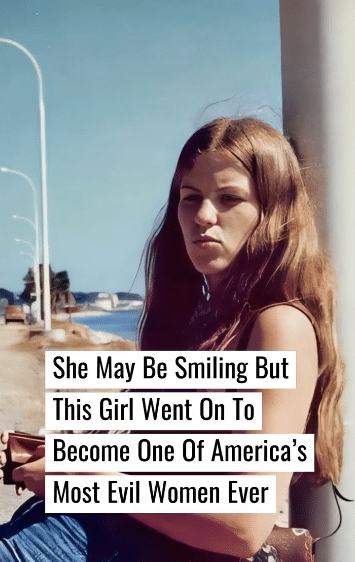
Aileen Wuornos was convicted in connection with the de*ths of multiple men in Florida between 1989 and 1990. At the time, she was living a transient life and working along highways, where she encountered several of the men who later became her victims.
The killings created fear across parts of central and northern Florida. Investigators eventually connected the cases and launched a search that led to Wuornos’ arrest in early 1991. She was later convicted and sentenced to d*ath.
Wuornos initially claimed that she acted in self-defense, saying some of the men had attacked or threatened her. However, her statements changed over time. In later interviews, she sometimes appeared angry, detached, or contradictory when discussing the killings. That shifting behavior became part of the public fascination surrounding the case.
Netflix’s documentary reportedly uses rare interviews and archival material to explore those contradictions, including how Wuornos described her own actions while awaiting execution.
A childhood marked by instability and abuse
To understand why Wuornos’ story has remained so unsettling, many documentaries and books have examined her early life. She was born in Michigan in 1956 and grew up under extremely unstable circumstances. Her biological father was absent from her life and later d*ed by su*cide while incarcerated. Wuornos was raised by her grandparents, though she reportedly learned later that the people she believed were her parents were actually her grandparents.
Her childhood has been described as chaotic and abusive. Wuornos reported experiencing violence, sexual abuse, rejection, and emotional neglect at a young age. By her early teens, she was often isolated and struggling to survive.
These details do not excuse her crimes. The lives lost in Florida were real, and their families carried lasting pain. But Wuornos’ background has remained central to the larger discussion because it shows how deeply childhood trauma can affect a person’s development, mental health, relationships, and decision-making.
Her story sits at the intersection of several serious issues: criminal justice, poverty, sexual exploitation, mental health, homelessness, and the long-term effects of abuse.
A life on the margins
Before becoming known across America for murder, Wuornos spent years drifting between unstable living situations. She struggled with homelessness, poverty, and repeated arrests. Her life was marked by survival, conflict, and few lasting support systems.
By her teenage years, Wuornos was reportedly exchanging sex for money or basic needs. Over time, she moved through different states, faced legal trouble, and struggled to create stability. A brief marriage to an older man ended quickly, and her life continued to spiral.
Eventually, Wuornos settled in Florida, where she became involved with Tyria Moore. Their relationship later became a key part of the investigation. Moore cooperated with authorities, and recorded conversations between the two played an important role in Wuornos’ confession, according to reporting about the Netflix documentary.
That relationship has often been discussed as one of the most emotional and complicated parts of the case. Some accounts suggest Wuornos confessed partly because she wanted to protect Moore from being blamed. Whether viewed through the lens of love, desperation, manipulation, or fear, the connection between the two women remains one of the most analyzed aspects of the investigation.
The victims and the consequences
Between 1989 and 1990, seven men were killed. Their bodies were found near rural roads and highways in Florida. The victims were not just names in a criminal case. They were people with families, histories, and communities that were forever changed.
True crime stories often focus heavily on the killer, but the human cost belongs first to the victims and their loved ones. Every documentary, article, or public discussion about Wuornos must remember that her actions left families grieving and searching for answers.
Wuornos was ultimately convicted and received multiple d*ath sentences. After years of appeals and legal battles over her mental state, she was executed by lethal injection in Florida on October 9, 2002, at the age of 46.
Her execution did not end public interest in the case. Instead, it became another chapter in a story that continues to spark debate.
Why her story still attracts attention
Aileen Wuornos’ case has remained in the public eye for several reasons. She was a rare female serial killer whose crimes did not fit the patterns often associated with women who kill. Many female offenders in serial murder cases have historically used less direct methods or targeted people close to them. Wuornos killed strangers with a gun, a pattern more often associated with male offenders.
Her case also became widely known because of the 2003 film Monster, in which Charlize Theron portrayed Wuornos. Theron’s performance won major acclaim and introduced the story to a new generation of viewers.
Since then, Wuornos has been the subject of books, interviews, documentaries, podcasts, and online discussions. Each retelling tends to raise the same difficult questions: Was she shaped by trauma? Was she fully accountable? Did the media exploit her story? Did the justice system properly address her mental health? How should society discuss someone who was both a victim of abuse and a perpetrator of d*adly violence?
There are no simple answers.
A modern look at an old case
Netflix’s Aileen: Queen of the Serial Killers appears to revisit the case through a modern lens, focusing not only on the murders but also on the forces that shaped Wuornos’ life. Director Emily Turner has described the documentary as an attempt to understand Wuornos rather than simply relitigate the verdict.
That approach reflects a broader shift in true crime storytelling. Audiences are increasingly asking for more responsible coverage that does not glamorize killers or reduce victims to background details. A case like this requires balance. It is possible to examine trauma and mental health while still recognizing the seriousness of the crimes and the suffering of the victims’ families.
Wuornos’ life was marked by abuse, abandonment, and hardship. But her victims also lost their futures. Any honest retelling must hold both truths at the same time.
Final thoughts
Aileen Wuornos remains one of America’s most infamous criminal figures, not only because of the murders she committed but also because of the painful and complicated story behind them. Her life began in instability, continued through years of trauma and survival, and ended on d*ath row.
The renewed attention surrounding Netflix’s documentary shows that the public is still trying to understand the case decades later. But understanding is not the same as excusing. Wuornos’ story is a dark reminder of how trauma, violence, isolation, and untreated emotional wounds can collide with devastating consequences.
In the end, her name remains tied to one of the most troubling chapters in American true crime — a story that continues to challenge how people think about justice, accountability, and the long shadow of childhood trauma.


