Some vintage objects instantly bring back memories for people who grew up around old workshops, repair shops, or family-run businesses. Others look completely mysterious to younger generations.
This heavy, foot-shaped object is one of those pieces.
At first glance, it may look like a strange metal foot, a tiny anvil, a shoe mold, or an unusual industrial decoration. But its real purpose is simple and practical: it is a cobbler’s shoe last.
A shoe last is a foot-shaped form used by shoemakers and shoe repair workers to shape, hold, stretch, or repair shoes. For generations, it was an essential tool in the world of footwear. Long before people replaced shoes as quickly as they do today, cobblers repaired soles, replaced heels, stretched leather, patched worn areas, and helped shoes last as long as possible.
This tool helped make that work possible.
What Is a Cobbler’s Shoe Last?
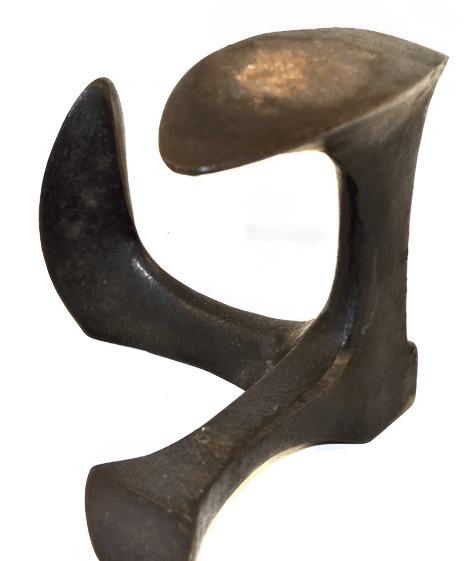
A cobbler’s shoe last is a form shaped like a human foot or part of a foot. It is placed inside a shoe to hold the shoe’s shape while work is being done.
Depending on the design, it may be made from wood, cast iron, steel, or modern high-density plastic. Older examples, especially the heavy metal ones, are often called cast iron shoe lasts or cobbler’s anvils.
You may also see this object described as a:
Shoe last
Shoe form
Shoe mold
Cobbler’s last
Wooden shoe last
Cast iron shoe last
Cobbler’s anvil
The names may vary, but the purpose is the same. It gives the shoe a solid shape to work around.
What Was It Used For?
Cobblers used shoe lasts to keep shoes steady and properly shaped during repair work. When fixing a sole, replacing a heel, hammering nails, stitching leather, stretching tight areas, or reshaping a shoe, the last acted as a firm support inside the shoe.
Without a shoe last, the shoe could collapse, bend, or lose its form while being worked on.
Think of it as a mechanical version of a foot. It allowed the cobbler to work on the shoe as if it were being worn, but with a hard, stable surface underneath.
This was especially useful when leather shoes needed careful repair. Leather can stretch, wrinkle, or deform if handled roughly. A shoe last helped preserve the correct shape while allowing the cobbler to apply pressure, hammer, pull, or stitch with control.
Why Some Look Like Small Anvils
Many antique cast iron shoe lasts have a sturdy metal base or post. Some were designed to attach to a stand, bench, or cobbler’s tool station. Because they were made of heavy metal and used for hammering, people often call them cobbler’s anvils.
That name makes sense. A cobbler could place the shoe over the metal foot form and use it as a firm surface while driving nails, shaping soles, or repairing heels.
These metal versions were built to take a beating. They were not decorative when they were made. They were daily working tools.
Today, however, their rugged shape and aged surface make them popular as vintage décor.
What Materials Were Shoe Lasts Made From?
Shoe lasts have been made from several materials over time.
Traditional shoemakers often used hardwood lasts, especially for custom or handmade shoes. Wood was easier to shape and could be carved to match specific foot sizes or styles.
Cobblers and repair shops often used cast iron or steel lasts because they were strong and durable. These were especially useful for repair work that involved hammering, nailing, or pressing.
Modern footwear factories often use high-density plastic lasts, which are durable, consistent, and easier to reproduce in large quantities.
If the object you found is heavy, black or dark brown, and shaped like a foot or shoe sole, it is likely an older cast iron cobbler’s last.
How to Identify an Antique Cobbler’s Shoe Last
A vintage shoe last usually has several recognizable features.
It may have a foot-like shape, a rounded toe, a heel area, or a partial sole form. Cast iron versions are usually heavy for their size and may have a dark patina, light rust, worn edges, or old tool marks.
Some examples have numbers stamped or cast into them. These numbers may refer to shoe size, model type, or tool set position. It is common to see numbers such as 6, 7, 8, 17, or 18 on older lasts.
Some lasts come as part of a set, with different sizes for different shoes. Others may be attached to a metal stand or have interchangeable foot-shaped pieces.
The more complete and well-preserved the tool is, the more interesting it may be to collectors.
Was It Used to Make Shoes or Repair Them?
It could be used for either, but there is a difference.
A shoemaker or cordwainer traditionally made new shoes. A cobbler usually repaired shoes. Because of that, the phrase “cobbler’s shoe last” often refers to a tool used in repair work rather than full shoe production.
However, both shoemakers and cobblers used foot-shaped forms in their work. The exact use depended on the design of the last and the type of shop.
Wooden lasts were often associated with making or shaping shoes. Heavy cast iron lasts were especially common in repair work because they could withstand hammering and pressure.
Why This Tool Used to Be Everywhere
There was a time when shoe repair was a normal part of daily life. People did not throw away shoes as quickly as many do today. A good pair of leather shoes could be repaired again and again.
Worn soles could be replaced. Heels could be rebuilt. Loose stitching could be fixed. Tight leather could be stretched. A cobbler’s shop helped people save money and keep quality footwear in use longer.
Because of that, shoe lasts and cobbler’s anvils were once common tools. They could be found in repair shops, workshops, general stores, and sometimes even in home tool collections.
Today, with cheaper mass-produced shoes and fewer local repair shops, many people no longer recognize them.
Why Collectors Love Them Today
Vintage cobbler’s shoe lasts are popular with collectors because they combine history, craftsmanship, and rustic charm.
They fit well into several collecting categories, including antique shoemaking tools, vintage cobbler tools, primitive tools, farmhouse décor, and industrial décor.
A cast iron shoe last can be used as a bookend, doorstop, display piece, studio decoration, or conversation starter. They are often found in antique shops, flea markets, cafés, shoe boutiques, workshops, and rustic home displays.
Their appeal comes from their honest, practical design. They were made to work, not to impress. That is exactly what makes them so interesting now.
Are Cobbler’s Shoe Lasts Valuable?
The value depends on age, material, condition, size, rarity, markings, and whether the piece is part of a complete set.
A plain cast iron shoe last may have modest value as décor. A rare or unusual example, especially one with a stand, maker’s mark, complete set, or strong antique condition, may be more desirable to collectors.
Wooden lasts can also be collectible, especially if they are handmade, custom-shaped, or connected to a known shoemaker.
Condition matters, but a little rust or patina is not always a problem. In fact, many collectors prefer an aged surface because it shows the tool’s history.
Is It Dangerous?
A cobbler’s shoe last is not dangerous by design, but old cast iron versions can be heavy. They may also have sharp edges, rust, or rough metal surfaces.
It is best to keep them away from small children. If used as décor, they should be placed securely so they do not fall from a shelf or table.
If cleaning one, avoid aggressive sanding or polishing. A gentle wipe with a dry cloth or soft brush is usually enough. Preserving the aged surface often keeps the piece more attractive.
The Real Answer
So, what is this old object that used to be everywhere but is now almost forgotten?
It is a cobbler’s shoe last — a foot-shaped form used by shoe repair workers and shoemakers to hold, shape, stretch, and repair shoes.
To modern eyes, it may look mysterious. But for generations, it was an everyday tool in cobbler shops and repair benches. It helped keep shoes wearable, saved families money, and supported a trade built on skill and patience.
Today, it stands as a small but powerful reminder of a time when people repaired what they owned instead of throwing it away.


