Buying an old house often comes with surprises. Sometimes it is antique furniture, old jars, dusty tools, or mysterious boxes tucked away in the attic. Other times, it is a bucket full of strange metal pieces that make you stop and wonder, “What are these things?”
If the objects look like small metal spouts, narrow tubes, or odd little nozzles, there is a good chance they are maple taps, also known as spiles.
They may look strange if you have never seen them before, but these small tools played an important role in traditional maple syrup making. Long before maple syrup reached breakfast tables, pancakes, waffles, biscuits, and desserts, it began in the woods with a tree, a drilled hole, a collection bucket, and a simple spout like this.
A maple spile may not look impressive at first glance, but it is one of the key tools used to collect sap from maple trees.
What Are Maple Taps or Spiles?
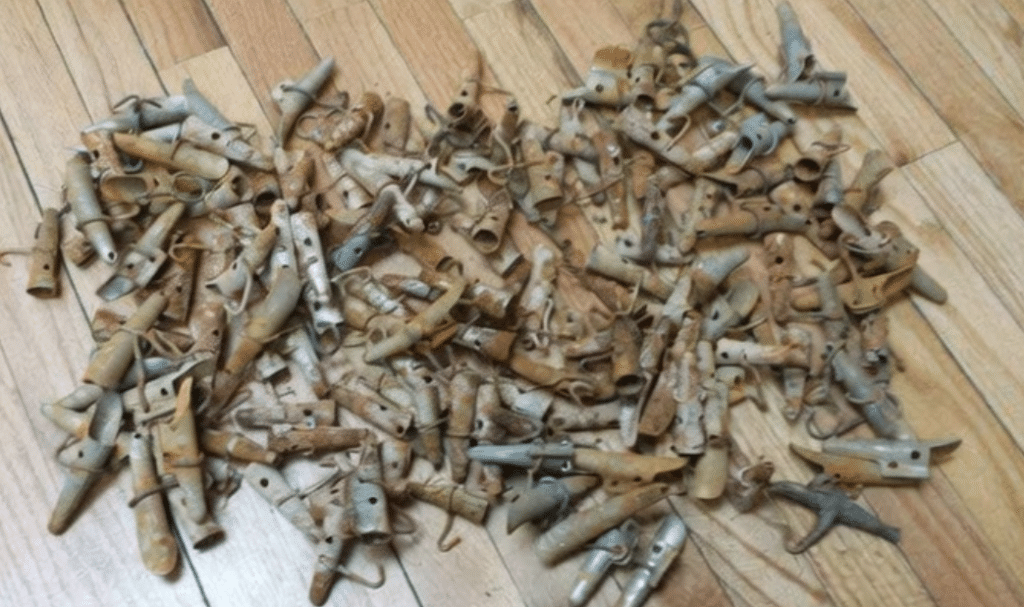
Maple taps, or maple spiles, are small spouts used to collect sap from maple trees. A person drills a shallow hole into the trunk of a healthy maple tree, inserts the spile, and allows the sap to flow out through the spout.
From there, the sap usually drips into a hanging bucket, sap bag, jug, or tubing system. Later, that sap is boiled down to make maple syrup.
People use different names for these tools, including maple tap, maple spile, sap spout, tree tap, and syrup tap. The names may vary, but the purpose is the same: they create a clean path for sap to leave the tree and enter a collection container.
Without a spile, collecting sap would be much messier and far less efficient.
Why Maple Sap Is Collected
Maple syrup begins as sap inside the tree. During the right season, maple trees move sap through their trunks. This sap is mostly water with a small amount of natural sugar.
Fresh maple sap is not thick like syrup. It is thin, watery, and only lightly sweet. To turn it into maple syrup, the sap must be heated for a long time so much of the water evaporates. What remains is the darker, sweeter, richer syrup people know and love.
That means it takes a large amount of sap to make a much smaller amount of finished syrup.
The maple tap is the first step in that process. It does not make the syrup by itself, but it makes collection possible. In a way, it acts like a tiny doorway between the tree and the bucket.
How Maple Taps Work
The process is simple but requires care.
First, a healthy maple tree is selected. The tree must be large enough to tap without unnecessary stress. Then a small hole is drilled into the trunk, usually at a slight upward angle. The spile is gently inserted into that hole so it fits snugly.
Once the tap is in place, sap can flow through the spout and into a collection container. Traditional setups often used metal buckets hanging directly from the tap. Modern systems may use plastic tubing that carries sap from multiple trees to a larger collection point.
At the end of the maple season, the tap is removed. Over time, the tree naturally closes the tap hole.
That simple cycle has been repeated for generations in maple-producing regions.
When Are Maple Trees Tapped?
Maple tapping usually takes place in late winter or early spring. The best sap flow often happens when nights are below freezing and days rise above freezing.
Those temperature changes help sap move inside the tree. If the weather stays too cold, sap flow may slow down. If it becomes too warm for too long, the season can end quickly.
That is why maple syrup production has such a strong seasonal rhythm. It depends on weather, timing, patience, and experience. For many syrup makers, the first good sap run feels like the woods waking up after winter.
What Are Maple Spiles Made From?
Maple taps have been made from several materials over the years.
Older spiles were often made from wood or metal. Many antique examples found in attics, barns, sheds, and old farmhouses are metal. They may have a narrow tube shape, a tapered end, a curved spout, or a hook used to support a sap bucket.
Modern maple taps are commonly made from stainless steel, aluminum, traditional metal alloys, or food-grade plastic. Plastic taps are often used with tubing systems, while stainless steel taps are popular because they are strong, reusable, and easier to clean.
Wooden taps are less common today, but they remain an important part of maple sugaring history.
Why Would They Be in an Old Attic?
Finding a bucket full of maple spiles in an old house makes sense, especially if the property is in or near a region where maple trees grow.
Many older homes, farms, and rural properties had families who collected sap in late winter or early spring. Even if they did not produce syrup commercially, they may have made small batches for household use.
After the season ended, the taps were often cleaned, stored, and reused the next year. Over time, they might have ended up in a coffee can, wooden box, basement shelf, barn corner, or attic bucket.
To a modern homeowner, they may look like random metal scraps. To someone familiar with maple sugaring, they are instantly recognizable.
Antique Maple Taps and Collectible Value
Old maple taps can be collectible, especially if they are unusual, handmade, or connected to early farming and syrup-making traditions.
Antique metal spiles often show signs of age, such as darkened metal, light rust, worn edges, old tool marks, or a simple rugged design. Some have hooks or lips for hanging buckets. Others are plain tapered spouts meant only to direct sap.
Collectors may be interested in them as vintage farming tools, homestead items, maple sugaring equipment, or rustic décor. Their value depends on age, condition, material, design, rarity, and whether they are part of a larger set.
Even when they are not especially valuable, they still carry historical charm. They tell a story about old rural life, seasonal work, and the hands-on process of making food from the land.
Are Old Maple Spiles Safe to Use?
Maple taps themselves are simple tools, but old ones should be handled carefully.
If a spile has rust, dirt, residue, unknown metal content, or signs of corrosion, it should not be used for collecting sap unless it has been properly evaluated and cleaned. For actual maple syrup production today, new stainless steel or food-grade plastic taps are usually the safer choice.
Antique spiles are often better kept as collectibles, display pieces, or conversation starters.
If you find a bucket full of them, wear gloves while sorting through the pieces, especially if the metal is rusty or sharp. Clean them gently if you want to display them, but avoid harsh polishing if you care about preserving their aged appearance.
How to Preserve Antique Maple Taps
If you want to keep old maple spiles, start with a gentle cleaning. A dry brush or soft cloth can remove loose dust and dirt. If needed, a slightly damp cloth may help, but the pieces should be dried thoroughly afterward to prevent more rust.
Avoid sanding them aggressively or polishing them until they look brand new. That natural aged surface, often called patina, is part of their charm.
Store them in a dry place, preferably away from moisture. They can look great in a glass jar, shadow box, garage display, farmhouse kitchen, or maple syrup-themed collection.
The Real Answer
So, what are those weird metal things found in the attic?
They are most likely maple taps, also called spiles — small spouts used to collect sap from maple trees for making maple syrup.
They were inserted into drilled holes in maple trees so sap could flow into buckets or other containers. Later, the collected sap was boiled down into syrup.
To most people today, they may look like strange bits of metal. But to syrup makers, farmers, collectors, and anyone who grew up around maple season, they are a familiar part of a sweet tradition.
A bucket full of them is not just attic clutter. It is a small piece of maple sugaring history.


