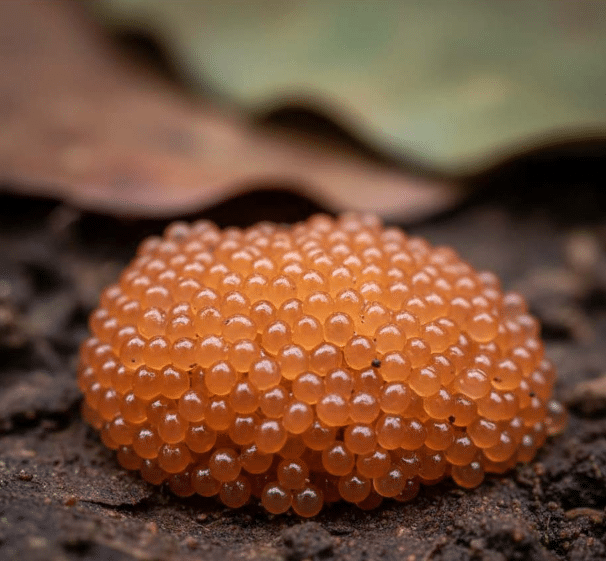
While gardening or cleaning around your yard, you may occasionally come across a small cluster of tiny, shiny balls that resemble jelly beads.
At first glance, they may not seem concerning.
However, in some cases, these clusters could be tick eggs—a warning sign that ticks may be present nearby.
Knowing how to identify and safely remove suspected tick eggs can help prevent a larger infestation from developing around your home.
Understanding the Tick Life Cycle
Ticks go through four stages during their lives:
- Egg
- Larva
- Nymph
- Adult
A single female tick can lay thousands of eggs at one time, often choosing protected locations that provide moisture and shelter.
Common egg-laying sites include:
- Leaf litter
- Garden mulch
- Tall grass
- Wood piles
- Soil beneath shrubs
- Damp, shaded areas
Once the eggs hatch, the larvae begin seeking hosts, such as small animals, birds, pets, and eventually larger mammals.
Without intervention, the population can grow rapidly.
What Do Tick Eggs Look Like?
Tick eggs are extremely small and can be difficult to identify.
They often appear as:
- Tiny round beads
- Shiny or glossy in appearance
- Pale yellow, translucent, or brownish-red
- Tightly grouped together in clusters
Because of their appearance, they are sometimes mistaken for seeds, insect eggs, or small gel-like particles.
Not every cluster of tiny beads is a tick nest, which is why careful identification is important before taking action.
Where Are Tick Eggs Usually Found?
Ticks prefer locations that are moist, protected, and rarely disturbed.
Outdoors, you may find egg clusters:
- Under piles of leaves
- Around garden beds
- Near stacked firewood
- Along fence lines
- In overgrown vegetation
- Around shaded landscaping
Indoors, although less common, ticks and their eggs may occasionally be found in:
- Cracks and crevices
- Pet bedding areas
- Storage spaces
- Corners with limited airflow
Regular inspections can help catch potential problems early.
Are Tick Eggs Dangerous?
The eggs themselves do not bite or spread disease.
The concern begins after they hatch.
Ticks are known carriers of several diseases that can affect both humans and animals.
Depending on the species and region, tick-borne illnesses may include:
- Lyme disease
- Rocky Mountain spotted fever
- Ehrlichiosis
- Anaplasmosis
Finding egg clusters may indicate that adult ticks are already active in the surrounding environment.
That’s why early removal is often recommended.
What Should You Do If You Find Them?
If you suspect you’ve found tick eggs, avoid handling them with bare hands.
Instead:
1. Wear Protective Gloves
Use disposable gloves or a tissue when collecting the cluster.
2. Seal the Eggs
Place the material into a sealed plastic bag before disposal.
This helps prevent accidental spreading.
3. Clean the Area
After removal, thoroughly clean the surrounding area to reduce the chance of additional eggs remaining nearby.
Safe Cleanup Methods
Several methods can help eliminate ticks and their eggs from affected areas.
Vacuum Thoroughly
For indoor areas:
- Vacuum corners
- Clean cracks and crevices
- Empty or discard vacuum contents immediately
Use Appropriate Cleaning Solutions
Disinfecting surfaces may help reduce contamination in indoor environments.
Apply Diatomaceous Earth Outdoors
Food-grade diatomaceous earth is commonly used by homeowners as a non-chemical pest control option.
It works by damaging the outer layer of many small insects and pests.
Always follow product instructions when applying it.
How to Prevent Future Tick Problems
Prevention is often easier than dealing with a full infestation.
Consider these strategies:
Keep Grass Trimmed
Ticks thrive in tall vegetation and shaded environments.
Remove Yard Debris
Clear away leaf piles, brush, and excess mulch where ticks may hide.
Create Protective Barriers
Gravel or wood-chip borders between wooded areas and lawns can help reduce tick migration.
Check Pets Regularly
Dogs and cats can carry ticks into the home.
Routine inspections and veterinarian-approved tick prevention products can help protect pets and family members.
Reduce Indoor Hiding Places
Vacuum regularly and seal gaps where pests may enter or hide.
Not Every Jelly-Like Cluster Is a Tick Egg Mass
One important thing to remember is that many insect eggs look similar.
Spider eggs, moth eggs, beetle eggs, and other natural materials can sometimes resemble tick eggs.
If you’re uncertain, consider taking a clear photograph and consulting a local pest-control professional or agricultural extension office for identification.
The Bottom Line
Finding a small pile of jelly-like beads in your garden may seem harmless, but it’s worth investigating.
If the cluster turns out to be tick eggs, acting quickly can help prevent a larger population from developing around your home.
Regular yard maintenance, pet protection, and early detection remain some of the most effective ways to reduce tick-related risks and keep your outdoor spaces safer year-round.


