Discovering clusters of tiny eggs in your backyard can be unsettling, especially if you’re not sure what they are. While many insect eggs are completely harmless, some may belong to pests that can become a nuisance once they hatch.
One example often mentioned by pest-control experts is tick eggs. Because ticks are known to spread diseases to humans and animals, finding a potential tick nest in your yard deserves careful attention.
However, before taking action, it’s important to correctly identify what you’re looking at and understand the safest way to handle the situation.
What Do Tick Eggs Look Like?
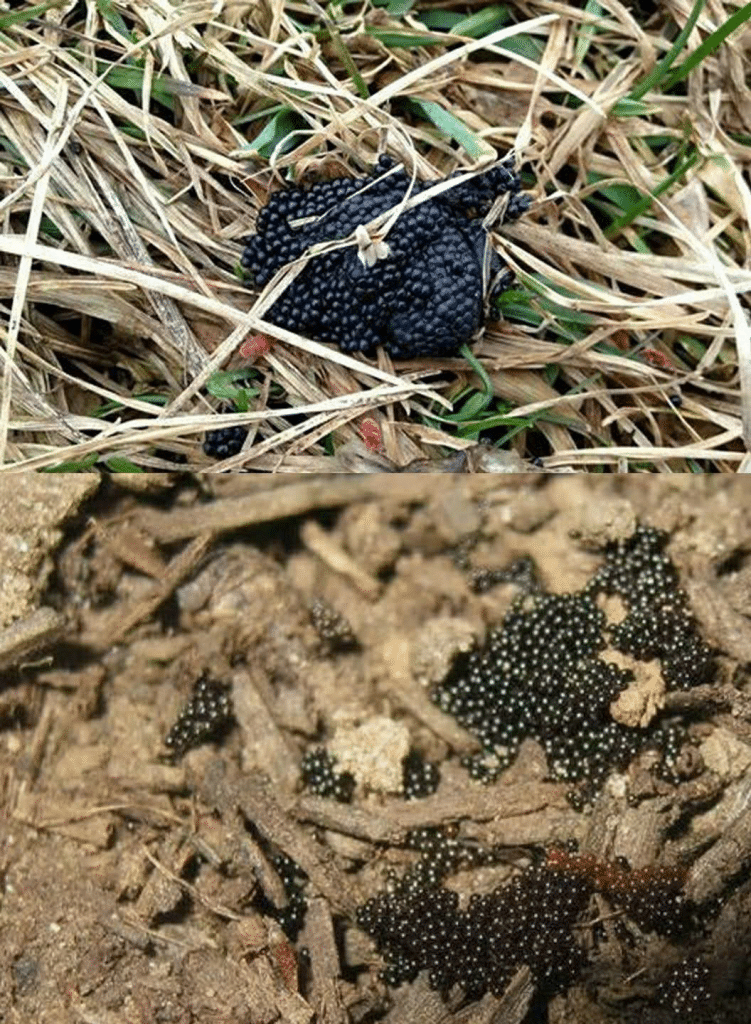
Tick eggs are extremely small, measuring roughly 0.5 millimeters in diameter—about the size of a poppy seed.
They are generally:
- Oval or slightly pear-shaped
- Smooth and shiny in appearance
- Pale yellow, translucent, cream-colored, or light brown
- Found in tightly packed clusters
- Located close to the ground
Female ticks typically lay eggs in sheltered areas such as:
- Leaf litter
- Tall grass
- Garden mulch
- Wood piles
- Dense vegetation
- Protected corners of yards
Because of their tiny size, tick egg clusters can easily be mistaken for seeds, dirt particles, or other insect eggs.
Why Are Tick Eggs a Concern?
The eggs themselves do not bite or spread disease.
The concern comes after they hatch.
A single female tick can lay thousands of eggs at one time. Once the larvae emerge, they begin seeking hosts, which may include:
- Pets
- Wildlife
- Livestock
- Humans
Some tick species are capable of carrying pathogens associated with illnesses such as Lyme disease, Rocky Mountain spotted fever, and other tick-borne infections.
Preventing large tick populations from establishing themselves around your home can reduce future exposure risks.
Should You Burn Them?
Social media posts often claim that anyone who finds tick eggs should “burn them immediately.”
While the warning is designed to grab attention, burning is not always the safest or most practical solution.
In many situations, setting fire to vegetation, mulch, leaves, or other outdoor materials can create unnecessary fire hazards.
Instead, experts generally recommend safer approaches such as:
- Avoid touching suspected eggs with bare hands.
- Wear gloves when handling outdoor debris.
- Place collected material into a sealed bag if removal is necessary.
- Consult local pest-control professionals if you suspect a large infestation.
- Treat affected areas according to local pest-management recommendations.
The best response depends on the location and size of the suspected egg cluster.
How to Reduce Tick Populations Around Your Home
Prevention is often the most effective strategy.
Homeowners can make their yards less attractive to ticks by:
Keeping Grass Short
Ticks thrive in tall grass and shaded vegetation. Regular mowing helps reduce hiding places.
Removing Leaf Litter
Accumulated leaves create moist environments that ticks prefer.
Trimming Dense Vegetation
Reducing overgrown shrubs and ground cover improves airflow and sunlight exposure.
Creating Barriers
Wood chips or gravel barriers between wooded areas and lawns may help discourage tick migration.
Protecting Pets
Regular tick prevention treatments for dogs and cats can help reduce the likelihood of ticks entering the home.
Not Every Egg Cluster Is a Tick Nest
One important fact often overlooked online is that many insects lay eggs that look remarkably similar.
Spider eggs, moth eggs, beetle eggs, and various other insect eggs can easily be mistaken for tick eggs without close examination.
If you’re unsure what you’ve found, consider taking clear photographs and seeking identification from local agricultural extensions, pest-control specialists, or wildlife experts before taking action.
Staying Safe Outdoors
Ticks are a common part of many outdoor environments, but a few simple precautions can help protect you and your family:
- Wear long sleeves and pants when walking through tall vegetation.
- Use tick repellents when appropriate.
- Check clothing and pets after spending time outdoors.
- Shower soon after returning from heavily wooded or grassy areas.
- Remove attached ticks promptly and carefully.
The Bottom Line
Finding a cluster of tiny eggs in your backyard doesn’t automatically mean danger, but it is worth investigating.
If the eggs belong to ticks, addressing the issue early can help prevent a larger infestation later. The key is proper identification and safe handling rather than panic.
A little caution today can help keep your yard safer and more enjoyable throughout the year.


