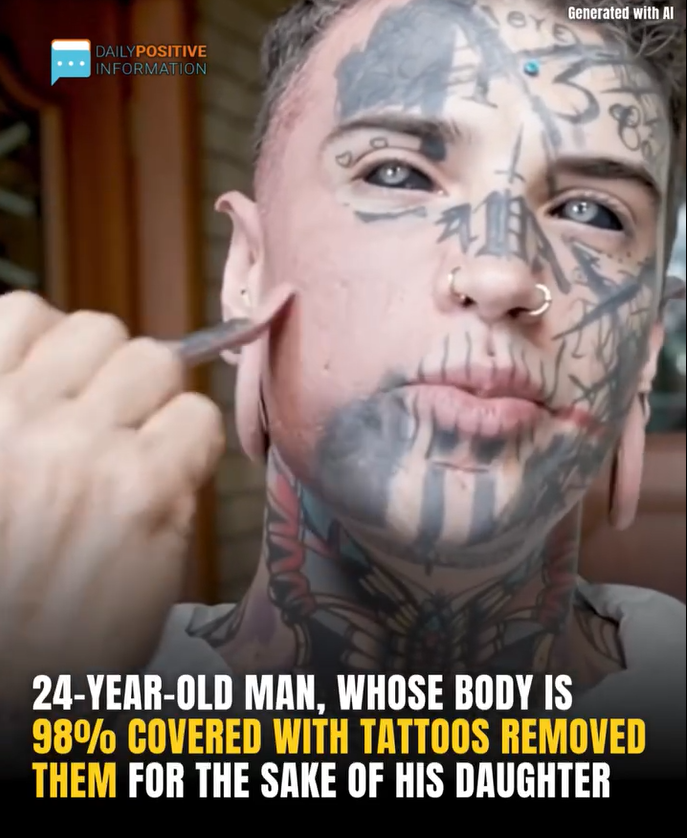
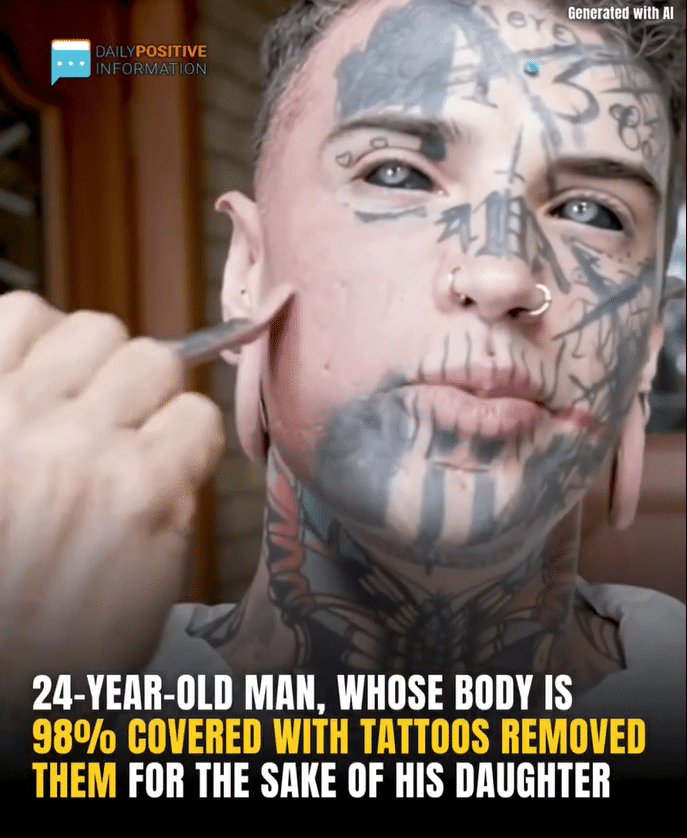
Ethan Bramble, better known online as “ModBoy,” became famous for one of the most extreme body modification transformations in Australia. With tattoos covering nearly his entire body, facial ink, altered ears, a split tongue, and even eyeball tattoos, Bramble built a public image that was impossible to ignore.
His journey into body modification began when he was still a teenager. What started with stretched earlobes slowly grew into a lifestyle centered on tattoos, body art, and highly visible physical changes. By his early twenties, Bramble’s appearance had become so dramatic that he gained international attention and a large following on social media.
At one point, reports stated that tattoos covered around 98 percent of his body. His face, body, and even his eyes were marked with ink, making him instantly recognizable wherever he went. For many people, Bramble represented bold self-expression. For others, his appearance raised questions about the long-term consequences of extreme modification.
Over the years, Bramble reportedly spent about 60,000 Australian dollars on tattoos and body modifications. He embraced the attention that came with his look and often spoke openly about his choices. His online presence helped turn him into a viral figure, with many people following his life out of curiosity, admiration, or criticism.
However, as time passed, Bramble’s perspective began to change. Becoming a father gave him a new way of looking at his decisions, especially the tattoos on his face. While he did not regret every tattoo, he admitted that some of his visible ink had created challenges in everyday life.
One of the biggest concerns came from how people reacted to him in public. Bramble explained that being heavily tattooed often led to judgment, misunderstanding, and anxiety. Simple moments, such as taking his young daughter to school, could become uncomfortable because of the way others looked at him.
That experience made him reconsider the image he had created. Instead of focusing on shock value or online attention, Bramble began thinking more about his family, mental health, and future. He wanted to feel more comfortable in daily life and reduce the social pressure that came with his appearance.
As a result, Bramble started laser tattoo removal treatments, especially for the tattoos on his face. The process is known to be painful, expensive, and time-consuming. Tattoo removal usually requires multiple sessions, and complete removal is not always guaranteed. Still, for Bramble, fading the ink represented a chance to move forward.
He described his goal as “clearing the canvas,” hoping that over time his facial tattoos would become far less noticeable. His decision was not about denying his past, but about creating a future that felt better aligned with his current priorities.
Bramble’s story reflects a larger conversation about tattoos, identity, and personal finance. Tattoos can be meaningful forms of self-expression, but they can also come with long-term costs — emotionally, socially, and financially. For people with highly visible tattoos, the impact can extend into careers, relationships, banking opportunities, insurance considerations, and professional environments where appearance may still influence first impressions.
His experience also highlights the growing demand for tattoo removal services. Many people who once loved their ink later choose to remove or fade certain pieces because of lifestyle changes, family responsibilities, career goals, or personal growth. Tattoos may be permanent, but life circumstances are not.
For Bramble, fatherhood appears to have been a turning point. He has spoken about wanting to be there for his daughter and hoping she will make thoughtful decisions about her own body in the future. His transformation is not just physical — it is also emotional.
Although he still embraces parts of his unique style, Bramble’s priorities have clearly shifted. He is no longer only the heavily tattooed man who gained attention online. He is also a father, a person dealing with anxiety, and someone willing to publicly reflect on past choices.
His journey shows that identity can change over time. What feels right at 18 or 20 may not feel the same later in life, especially when family, responsibility, and personal well-being become more important.
Ethan Bramble’s story is not simply about tattoos. It is about growth, regret, self-expression, and the courage to change direction. Whether or not he fully removes his tattoos, his openness offers a powerful reminder: people are allowed to evolve.