When it comes to household pests, most people think of ants, cockroaches, or spiders. However, there is another tiny visitor that often goes unnoticed because of its unusual appearance and ability to blend into its surroundings.
You may have seen small, cocoon-like cases attached to walls, ceilings, furniture, or tucked away in hidden corners of your home. At first glance, they often look like bits of dust, lint, or debris. Because they appear harmless, many people ignore them entirely.
But these tiny structures may actually belong to a fascinating insect known as the plaster bagworm, a species that has adapted remarkably well to life inside homes.
What Is a Plaster Bagworm?
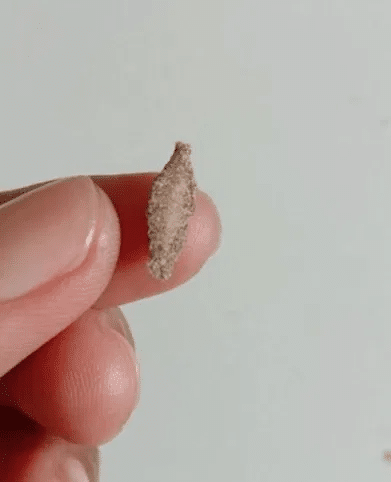
The insect commonly associated with these portable cases is scientifically known as Phereoeca uterella. It is often referred to as a plaster bagworm or household casebearer.
This species is commonly found in warm and humid environments, making it particularly successful in regions where indoor moisture levels remain relatively high throughout the year.
Unlike many insects that openly crawl across floors or walls, plaster bagworm larvae spend much of their lives protected inside a portable case that they carry with them wherever they go.
Because these cases are made from materials gathered from their surroundings, they often blend in perfectly with household surfaces, making them difficult to spot.
The Remarkable Portable Cocoon
One of the most unusual characteristics of the plaster bagworm is its protective case.
The larva creates this shelter using silk combined with dust, dirt, sand particles, fibers, and other materials collected from its environment. The result is a flattened, cocoon-like structure that acts as both protection and camouflage.
The case typically has openings at one or both ends, allowing the larva to move in and out as needed. Most of the time, however, only part of the insect emerges while feeding, keeping the majority of its body safely hidden.
This clever survival strategy helps protect it from predators while allowing it to remain mobile throughout its development.
Why They Appear Inside Homes
Plaster bagworms thrive in environments that provide warmth, humidity, and access to food sources.
Bathrooms, laundry rooms, closets, attics, and other less-disturbed areas often create ideal conditions for these insects. Homes with higher humidity levels may be especially attractive.
They are commonly found attached to walls, ceilings, window frames, and behind furniture where they can remain unnoticed for long periods.
Because their cases resemble small pieces of debris, homeowners may not realize they are looking at a living organism.
What Do They Feed On?
One reason these insects can survive indoors is their ability to consume a wide variety of organic materials.
Their diet may include:
- Spider webs
- Dust and lint
- Animal hair
- Natural fibers
- Dead insects
- Organic debris
In some cases, they may also feed on fabrics containing natural fibers, which is why they are occasionally discovered in closets, storage areas, and near clothing.
Although they are generally not considered among the most destructive household pests, larger populations can become a nuisance if left unchecked.
How Quickly Can They Multiply?
A single female moth can lay a surprisingly large number of eggs during her life cycle.
Reports suggest that an adult may produce hundreds of eggs under favorable conditions. Once the eggs hatch, young larvae begin constructing their protective cases almost immediately.
Because they prefer hidden spaces and often remain unnoticed, populations can grow before homeowners become aware of their presence.
Regular inspections of walls, ceilings, storage spaces, and less-frequented areas can help identify activity early.
Are They Dangerous?
Many online discussions have raised concerns about whether these insects can cause skin irritation or other reactions.
While some people report experiencing itching or discomfort after contact with certain caterpillars or their hairs, plaster bagworms themselves are generally considered more of a household nuisance than a significant health threat.
However, avoiding direct handling of unfamiliar insects is always a good practice. If skin irritation occurs after contact with any insect or caterpillar, washing the affected area and seeking appropriate medical advice may be helpful.
How to Reduce Their Presence in Your Home
Fortunately, preventing plaster bagworms from becoming established indoors is relatively straightforward.
Some effective steps include:
Reduce Indoor Humidity
Using proper ventilation, exhaust fans, or dehumidifiers can make indoor conditions less favorable.
Remove Spider Webs
Since larvae often feed on webbing and trapped organic material, regular cleaning can help eliminate potential food sources.
Vacuum Frequently
Vacuuming walls, corners, baseboards, closets, and storage areas removes dust, lint, and debris that may attract them.
Inspect Hidden Areas
Check behind furniture, inside closets, around window frames, and in less-used rooms where these insects may hide.
Remove Visible Cases
If you notice cases attached to walls or ceilings, carefully removing them can help prevent future development.
A Small Discovery Worth Noticing
The next time you notice what appears to be a tiny piece of debris stuck to your wall, take a closer look.
It may simply be dust—or it could be the portable home of one of nature’s most unusual household insects.
While plaster bagworms are not typically a major threat, their presence serves as a reminder of how many fascinating creatures share our environment, often hidden in plain sight.
A quick inspection of your walls today could help you spot potential issues early, maintain a cleaner home, and avoid an unpleasant surprise later on.


