Some songs become popular for a season.
Others become part of history.
And then there are rare songs like California Dreamin’ — tracks that continue to move listeners decades after they were first released.
Originally recorded by The Mamas & The Papas in 1965, the song became much more than just another radio hit from the 1960s.
It evolved into a cultural symbol of longing, hope, change, and emotional escape.
Even today, nearly sixty years later, the haunting harmonies and unforgettable lyrics continue connecting with listeners around the world.
A Song Born From Homesickness
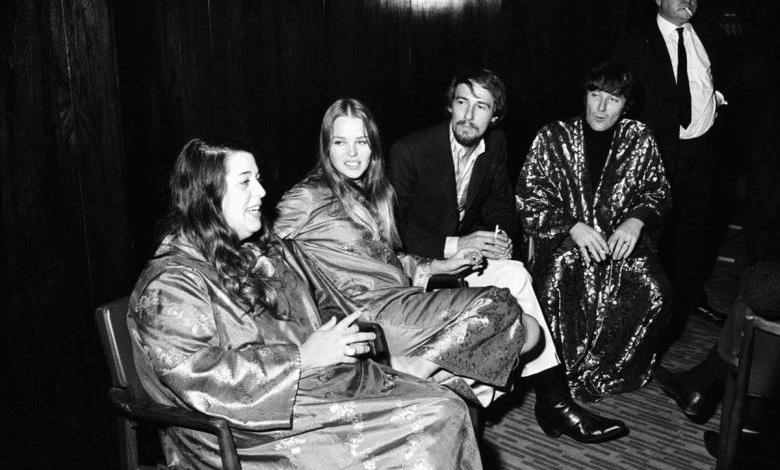
The origins of “California Dreamin’” were surprisingly personal.
Songwriters John Phillips and Michelle Phillips were living in New York City during a harsh winter in the early 1960s.
For Michelle, who had grown up in sunny California, the cold East Coast weather felt emotionally draining.
Gray skies.
Freezing temperatures.
Bare trees.
She deeply missed the warmth and atmosphere of Los Angeles.
Inspired by those feelings, John Phillips began writing lyrics that captured the emotional contrast between the cold streets of New York and the dreamlike image of California sunshine.
That homesickness eventually became one of the most iconic opening lines in music history:
“All the leaves are brown, and the sky is gray…”
From the very first words, listeners could immediately feel the melancholy mood of the song.
The Birth of a Legendary Group
At the time, John and Michelle were performing in a folk group called the New Journeymen.
Soon afterward, they joined forces with Denny Doherty and Cass Elliot to form The Mamas & The Papas.
Their unique blend of folk music, pop melodies, and layered harmonies quickly helped them stand out during the rapidly changing music scene of the 1960s.
Each member brought a different personality and vocal style to the group.
Together, they created a sound that felt emotional, polished, and completely original.
The Song Almost Belonged to Someone Else
Interestingly, “California Dreamin’” was not originally intended to become a Mamas & The Papas hit.
The first recording was actually performed by Barry McGuire, while members of The Mamas & The Papas contributed background vocals.
But after hearing the recording, the group realized the song carried extraordinary emotional potential.
They decided to record their own version.
That decision changed music history forever.
The Sound That Made the Song Unforgettable
What made “California Dreamin’” so powerful wasn’t just the lyrics.
It was the atmosphere.
The song blended sadness and hope in a way that felt deeply human.
Denny Doherty handled the lead vocals with emotional warmth, while the layered harmonies created an almost dreamlike feeling throughout the track.
Several musicians also contributed iconic elements to the final recording.
P. F. Sloan delivered the memorable guitar introduction that immediately sets the emotional tone.
Later, jazz musician Bud Shank added the haunting flute solo that became one of the song’s defining features.
Together, those elements transformed the track into something timeless.
The Song Slowly Became a National Hit
When “California Dreamin’” was first released in December 1965, success didn’t happen immediately.
At first, the song received only modest attention.
But everything changed after radio stations — especially in Boston — began heavily promoting it.
Listeners connected instantly with the song’s emotional honesty.
By March 1966, it had climbed to No. 4 on the Billboard Hot 100 chart.
The Mamas & The Papas suddenly became one of the defining groups of the decade.
Why the Song Resonated So Deeply in the 1960s
The timing of “California Dreamin’” played a major role in its success.
America during the 1960s was experiencing enormous cultural and social change.
Young people were questioning traditions, exploring new ideas, and searching for freedom and reinvention.
Against that backdrop, the song became more than music.
It became an emotional escape.
Even people who had never been to California understood the feeling of longing for something brighter, warmer, and more hopeful than their current reality.
That emotional universality is one reason the song still resonates today.
Why “California Dreamin’” Still Endures
Many songs fade with time.
But “California Dreamin’” continues finding new audiences generation after generation.
Part of its lasting appeal comes from its emotional balance.
The lyrics express loneliness and dissatisfaction.
Yet the music itself carries warmth, beauty, and possibility.
That tension between sadness and hope gives the song remarkable emotional depth.
Over the decades, countless artists have covered the track across multiple genres, including:
- Rock
- Jazz
- Folk
- Orchestral music
- Alternative music
The song has also appeared repeatedly in films, television shows, documentaries, and commercials.
Its influence continues reaching younger listeners who discover it for the very first time.
More Than Just a Song
Today, “California Dreamin’” stands as one of the defining songs of the 1960s.
But more importantly, it remains a reminder of music’s ability to capture universal emotions in a deeply personal way.
What began as a simple expression of homesickness eventually became a cultural landmark recognized around the world.
And nearly six decades later, listeners still find comfort in its message of longing, resilience, and hope for somewhere brighter beyond the horizon.


