If you’ve recently stepped outside and spotted odd cone-shaped objects dangling from your evergreen trees, you’re not alone. At first glance, these mysterious hanging bundles can look alarming — almost like cocoons, dried leaves, or even strange decorations left behind by nature. But what you may actually be seeing is a common garden pest known as the evergreen bagworm.
While small in size, bagworms can cause surprisingly serious damage to trees and shrubs if left untreated. Many homeowners don’t realize there’s a problem until their evergreens begin turning brown, thinning out, or dropping needles. By then, the infestation may already be well underway.
Understanding how these pests operate — and learning how to spot the warning signs early — can help protect your landscape, preserve property value, and avoid costly tree replacement or landscaping expenses in the future.
What Are Evergreen Bagworms?
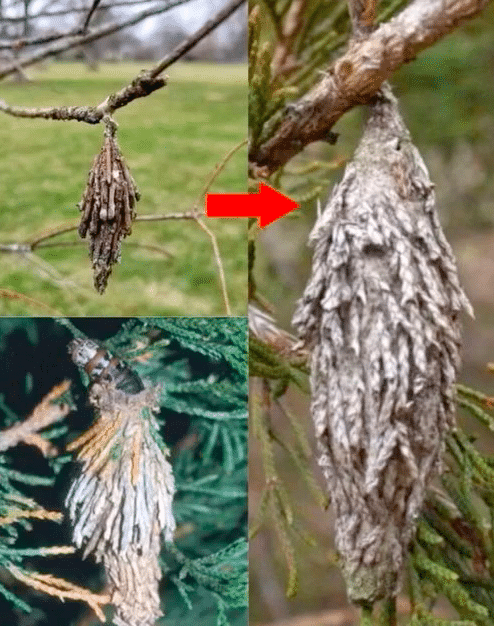
Evergreen bagworms are moth larvae that feed primarily on evergreen trees and shrubs. They are especially attracted to species such as arborvitae, juniper, cedar, pine, and spruce. Unlike many insects that are easy to identify, bagworms are masters of camouflage.
The most recognizable feature of these pests is the protective “bag” they build around themselves. Using silk combined with bits of leaves, needles, and twigs from the host tree, the larvae create cone-shaped coverings that blend almost perfectly into the branches. Because of this natural disguise, many people mistake them for seed pods, dead foliage, or harmless debris.
Inside these tiny hanging shelters, the caterpillars quietly feed on the tree’s foliage, often going unnoticed for weeks or even months.
Why Bagworms Are Dangerous to Trees
Although a few bagworms may not seem like a major concern, large infestations can place significant stress on evergreen trees. As the larvae feed, they strip away needles and leaves that the tree relies on for photosynthesis — the process responsible for producing energy and supporting healthy growth.
Over time, this damage weakens the tree’s ability to survive environmental stressors such as:
- Drought
- Extreme heat
- Poor soil conditions
- Disease
- Additional insect infestations
Young trees are particularly vulnerable. In severe cases, untreated infestations can completely defoliate smaller evergreens, leading to permanent damage or even tree death.
For homeowners investing in landscaping, tree maintenance, or outdoor property improvements, early prevention can save substantial money in future lawn care and tree replacement costs.
Understanding the Bagworm Life Cycle
Bagworms follow a seasonal life cycle that allows them to spread quietly if not monitored carefully.
Spring: Eggs Hatch
In late spring, eggs hidden inside old bags begin to hatch. Tiny larvae emerge and immediately start feeding on nearby foliage. At this stage, the insects are small and difficult to detect.
Summer: Active Feeding
Throughout the summer months, the larvae continue growing while expanding their protective bags. This is when the majority of tree damage occurs. The caterpillars remain hidden inside their camouflaged coverings while feeding aggressively on leaves and needles.
Late Summer to Fall: Pupation and Mating
As they mature, the larvae seal themselves inside their bags to pupate. Adult male moths eventually emerge and fly off in search of females. Female bagworms, however, remain inside the bag attached to the tree.
After mating, females lay hundreds of eggs inside the same protective bag before dying — allowing the cycle to repeat the following season.
Signs Your Evergreen Tree May Have Bagworms
Catching an infestation early is critical for protecting tree health. Homeowners should regularly inspect evergreens for warning signs such as:
- Brown or thinning branches
- Missing needles or foliage
- Small hanging cone-shaped bags
- Uneven or patchy tree growth
- Sudden decline in tree appearance
The earlier bagworms are identified, the easier they are to control naturally without expensive treatments or major landscaping repairs.
How to Protect Your Trees Naturally
The good news is that healthy evergreen trees can often recover when given proper care and maintenance. Prevention and early intervention remain the best long-term strategies.
Remove Visible Bags by Hand
One of the simplest and most effective methods is manually removing the bags before eggs hatch. During fall, winter, and early spring, inspect branches closely and clip off any visible bags.
Destroy the bags completely to prevent larvae from returning.
Encourage a Diverse Landscape
Large groups of identical evergreen species can make infestations spread faster. Planting a variety of trees, shrubs, and native plants helps support biodiversity and reduces the risk of widespread pest damage.
Maintain Tree Health
Healthy trees are more resilient against insects and environmental stress. Proper maintenance includes:
- Regular deep watering during dry periods
- Seasonal pruning of damaged branches
- Balanced soil nutrition
- Mulching to retain moisture
- Monitoring for additional pests or disease
Consistent care can strengthen root systems and improve long-term tree recovery.
Prevention Is Always Easier Than Repair
Bagworms may look strange, but they’re far from harmless. These tiny pests can quietly weaken even mature evergreen trees over time if ignored. Fortunately, routine inspections and simple preventive maintenance can dramatically reduce the risk of severe infestation.
If you notice unusual hanging bags on your trees, don’t panic — but don’t ignore them either. A few minutes of observation today could save your landscape from significant damage tomorrow.
With careful attention, healthy watering habits, and seasonal maintenance, your evergreen trees can remain vibrant, lush, and beautiful for years to come.


