At first glance, they may look harmless — even strangely beautiful. Clusters of tiny bright pink eggs attached to walls, fences, plants, or surfaces near water often catch people completely by surprise. But environmental experts warn that these unusual egg masses could signal the presence of one of the world’s most destructive invasive species: the apple snail.
What appears to be a harmless natural curiosity may actually represent a rapidly growing environmental threat capable of damaging crops, destroying ecosystems, and spreading aggressively through wetlands and waterways.
Strange Pink Egg Clusters Often Belong to Apple Snails
Apple snails are large freshwater snails originally native to South America. Over time, however, they have spread into many countries around the world, becoming a major invasive species in parts of North America, Asia, and Europe.
One of the easiest ways to identify them is through their highly visible eggs.
Unlike most snail eggs, apple snail eggs are bright pink or orange and appear in large clusters attached above water surfaces. These masses can contain hundreds of eggs at once, making them difficult to ignore once spotted.
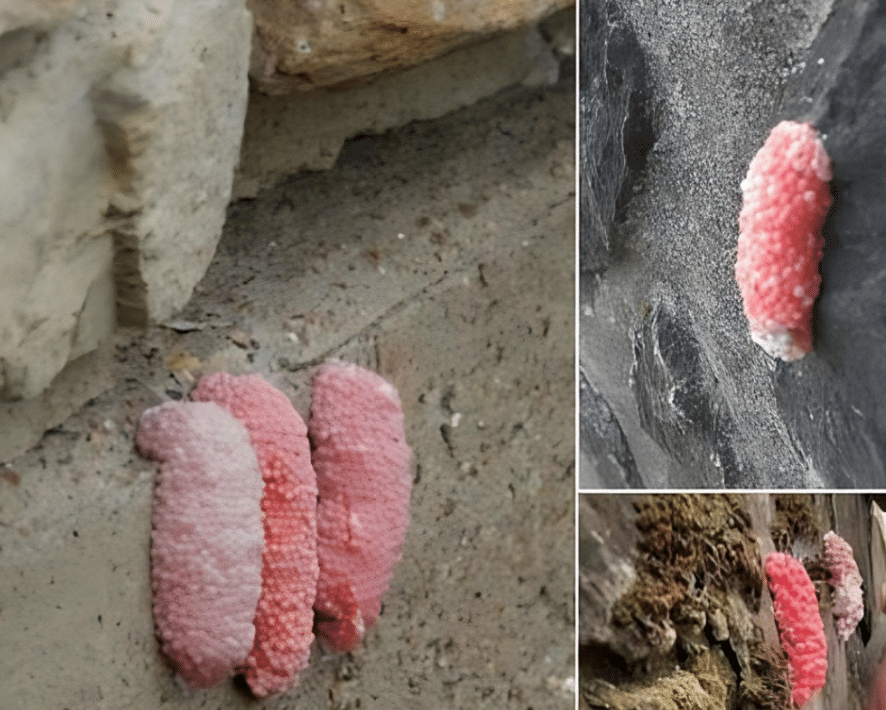
Experts say the vivid color serves as a warning to predators because the eggs contain defensive toxins that many animals avoid eating.
Why These Snails Are Dangerous
While the eggs may look unusual or decorative, the species behind them can cause enormous ecological and agricultural damage.
Apple snails are considered among the world’s most invasive freshwater species because of their ability to:
- Reproduce rapidly
- Adapt to different climates
- Consume large amounts of vegetation
- Spread aggressively through waterways
Adult apple snails can grow surprisingly large, with shells reaching up to 10 centimeters wide.
Once established in ponds, lakes, marshes, irrigation systems, or rice fields, they often begin destroying aquatic plants critical for healthy ecosystems.
Serious Threat to Crops and Ecosystems
Agricultural experts have reported major problems involving apple snails in several countries, especially in Southeast Asia where they became notorious pests after being introduced decades ago.
Rice farmers in particular have suffered heavy losses because the snails consume young shoots and damage developing crops.
Environmental scientists also warn that the destruction extends far beyond agriculture.
Aquatic plants removed by apple snails play essential roles in:
- Producing oxygen in water systems
- Providing shelter for fish and insects
- Stabilizing ecosystems
- Maintaining water quality
As the snails consume these plants, entire ecosystems can become disrupted.
Pink Eggs Are a Warning Sign
The bright pink egg clusters are often the first visible indication that apple snails may already be spreading in an area.
The eggs are usually found on:
- Walls near water
- Garden stones
- Plant stems
- Tree branches
- Pond edges
- Fences
- Boat docks
Female apple snails intentionally lay eggs above the waterline to protect them from aquatic predators.
Each cluster can contain hundreds of eggs capable of hatching into a rapidly expanding snail population.
That is why environmental agencies in some regions urge people to report sightings immediately.
Warmer Climates Help Them Spread Faster
Experts believe climate conditions have contributed significantly to the spread of apple snails into new regions.
Warm temperatures and humid environments allow them to reproduce quickly and survive in wetlands, drainage systems, and freshwater habitats.
Established populations have already been documented in areas including:
- Florida
- Texas
- California
- Southeast Asia
- Spain
- France
Once populations become established, eradication becomes extremely difficult.
Why Gardeners Should Pay Attention
For homeowners and gardeners, spotting these eggs near ponds or water features should not be ignored.
Apple snails can quickly damage decorative plants, aquatic gardens, and surrounding vegetation.
Because they reproduce so efficiently, small infestations can rapidly grow into larger environmental problems if left unmanaged.
Gardeners with backyard ponds or wet areas are especially encouraged to remain alert for unusual pink egg clusters.
What Experts Recommend Doing
Environmental agencies often recommend several steps when apple snail eggs are discovered.
Report Sightings
Many regions encourage residents to notify local environmental or agricultural authorities when invasive species are identified.
Early reporting helps experts monitor spread and implement control efforts before populations grow larger.
Remove Eggs Carefully
In some areas, residents are advised to manually remove egg clusters.
However, experts recommend wearing gloves because the eggs may contain toxins or irritants.
Egg masses should never simply be dropped into water, where they may continue developing.
Avoid Releasing Aquarium Species
Apple snails were sometimes introduced into non-native environments through aquarium releases.
Experts strongly advise against releasing aquatic pets or plants into natural waterways.
Public Awareness Becoming Increasingly Important
Environmental scientists say invasive species remain one of the largest threats to biodiversity worldwide.
Public awareness plays a major role in slowing their spread because early detection often provides the best opportunity for control.
Many people who discover the bright pink eggs initially assume they belong to harmless insects or garden snails without realizing the larger environmental implications.
That misunderstanding allows populations to spread unnoticed.
Social Media Photos Often Go Viral
Images of the unusual pink egg clusters frequently spread online because of their striking appearance.
Many users describe them as looking almost artificial or “too bright to be real.”
But experts warn that their unusual beauty hides a serious ecological problem.
The eggs represent a species capable of overwhelming native habitats and disrupting ecosystems on a large scale.
Invasive Species Can Create Long-Term Damage
Scientists say invasive species like apple snails often outcompete native wildlife because they lack natural predators in newly invaded regions.
This imbalance can produce long-term environmental consequences, including:
- Loss of biodiversity
- Crop destruction
- Water quality decline
- Habitat disruption
- Increased management costs
Preventing spread early remains far easier than attempting large-scale removal later.
Small Discovery Could Prevent Bigger Problem
For many people, finding bright pink eggs in a garden or near a pond may seem like a strange curiosity.
But environmental experts stress that quick action can make a major difference.
Recognizing the eggs early, reporting sightings, and understanding the risks associated with invasive species all help protect local ecosystems from further damage.
What looks unusual today could become a much larger environmental problem tomorrow if ignored.
And that’s why experts say those tiny pink eggs deserve immediate attention — not admiration.


