At first glance, it looks simple.
Just a strange forked stick or unusual metal rods held in someone’s hands.
But for centuries, people believed this mysterious tool possessed the power to uncover something hidden deep underground.
And even today, the debate surrounding it still hasn’t completely disappeared.
It’s Used for Water Dowsing
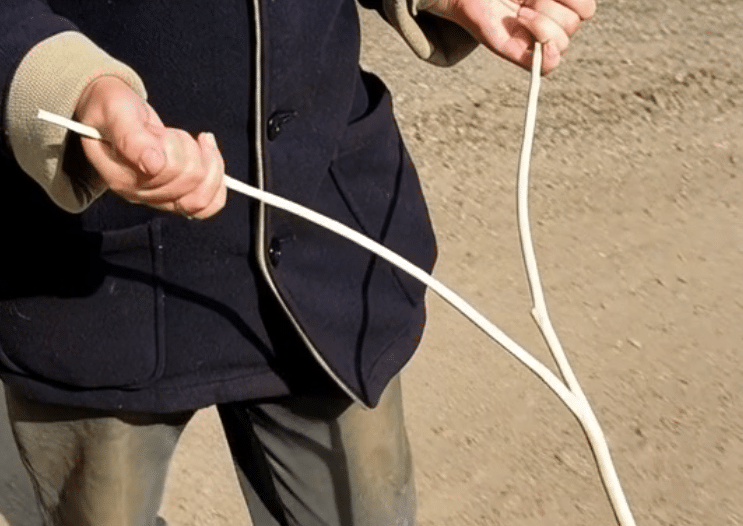
The antique practice is known as water dowsing, sometimes called:
- Water witching
- Divining
- Doodlebugging
Traditionally, a dowser would hold a forked branch, bent rods, or special tools while slowly walking across land searching for underground water sources.
According to believers, the tool would suddenly:
- Dip downward
- Twist
- Vibrate
- Pull toward the ground
when passing over hidden water beneath the surface.
A Practice With Ancient Roots
Water dowsing has existed for hundreds — possibly thousands — of years across different cultures worldwide.
It was especially common in rural farming communities where locating underground water could mean the difference between survival and disaster.
Before modern drilling technology and geological surveys, many people relied on dowsers to help identify:
- Wells
- Underground springs
- Water tables
Some practitioners were highly respected and regularly hired by landowners and villages.
Science vs. Tradition
Despite its long history, water dowsing remains highly controversial.
Many scientists argue there is no proven scientific evidence that dowsing rods can reliably detect underground water.
Researchers often suggest the movement comes from subtle unconscious hand motions known as the ideomotor effect — where tiny muscle movements happen without the person realizing it.
However, many dowsers strongly disagree.
Supporters insist the practice works through sensitivity to natural energy, underground vibrations, or environmental forces not fully understood by science.
Why the Practice Still Fascinates People
Part of what makes water dowsing so intriguing is the mystery surrounding it.
It sits somewhere between:
- Ancient tradition
- Folk belief
- Survival skill
- Paranormal curiosity
And because the practice survived for generations before modern technology existed, many people remain fascinated by the stories connected to it.
Antique Dowsing Tools Become Viral Mysteries
When old dowsing rods or forked tools appear online today, younger generations often have no idea what they’re looking at.
Some guess:
- Farming equipment
- Medical devices
- Hunting tools
- Strange weapons
Very few immediately recognize the object’s historical connection to water dowsing.
And that mystery is exactly why these antique tools continue capturing attention online.
A Reminder of How People Once Survived
Long before modern engineering and underground mapping systems, people depended heavily on observation, tradition, and belief to locate water.
Whether dowsing truly worked or not, it became deeply woven into rural history and folklore across many cultures.
And today, these forgotten tools remain fascinating symbols of humanity’s long search for one of life’s most essential resources.


