More than half a century after it first aired, Leave It to Beaver continues to hold a special place in television history. Known for its wholesome storytelling, relatable family moments, and timeless life lessons, the classic sitcom remains one of America’s most beloved portrayals of suburban family life.
Originally broadcast from 1957 to 1963, the series followed the everyday experiences of the Cleaver family in the fictional town of Mayfield. While television has changed dramatically over the decades, many viewers still find comfort and familiarity in the show’s simple but meaningful stories.
The Cleaver Family Became Television Icons
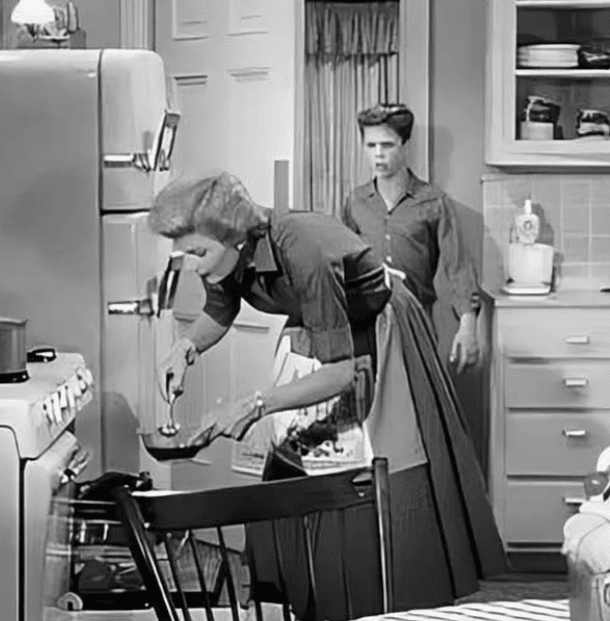
At the center of the show was Theodore “Beaver” Cleaver, played by Jerry Mathers. Beaver’s curious personality and tendency to stumble into trouble made him one of television’s most relatable child characters.
His adventures often involved misunderstandings, school problems, friendships, and childhood mistakes that many viewers recognized from their own experiences growing up.
Beaver’s older brother Wally, portrayed by Tony Dow, served as both protector and role model. Their realistic sibling relationship became one of the strongest elements of the series.
Meanwhile, parents Ward and June Cleaver—played by Hugh Beaumont and Barbara Billingsley—represented calm, patient guidance during moments of conflict and confusion.
A Different Style of Television Storytelling
Unlike many modern sitcoms that rely heavily on sarcasm or exaggerated drama, Leave It to Beaver focused on everyday life and emotional sincerity.
Episodes often began with Beaver innocently making a mistake or misunderstanding a situation. As the story unfolded, family conversations and gentle lessons helped resolve the problem.
The show emphasized communication, honesty, responsibility, and empathy rather than punishment or conflict.
This softer storytelling style helped the series stand out during the late 1950s and early 1960s, creating a viewing experience many families found comforting and relatable.
Why the Show Still Feels Timeless
Although Leave It to Beaver reflects the culture and lifestyle of mid-20th-century America, many of its themes remain universal today.
The challenges of growing up, navigating friendships, learning responsibility, and seeking parental approval are experiences shared across generations.
Viewers continue to connect with the emotional core of the show because the stories focus on family relationships rather than trends or technology.
For many people, the series also offers a nostalgic glimpse into a simpler era of television and suburban life.
The Powerful Bond Between Beaver and Wally
One of the most beloved aspects of the show is the relationship between Beaver and Wally.
Unlike many television siblings portrayed primarily through rivalry or conflict, the Cleaver brothers genuinely supported one another. Wally often helped Beaver solve problems, offered advice, or reassured him during difficult moments.
Their bond created an emotional realism that resonated strongly with audiences.
Many fans still consider the brothers’ relationship one of the most authentic sibling dynamics ever shown on television.
A Legacy That Continued Beyond the Original Series
Even after its original run ended, Leave It to Beaver continued reaching new audiences through syndication.
The series remained popular for decades on rerun television networks, introducing younger viewers to the Cleaver family long after the show originally aired.
The popularity of the sitcom eventually led to reunion specials and sequel projects, including The New Leave It to Beaver, which revisited the characters years later as adults raising families of their own.
These continuations helped extend the franchise’s cultural impact across multiple generations.
Why Audiences Still Return to the Show
In today’s fast-paced entertainment environment, many viewers continue turning to classic sitcoms for comfort and familiarity.
Leave It to Beaver remains appealing because it avoids sensationalism and instead focuses on kindness, understanding, and family connection.
For older audiences, the show often brings feelings of nostalgia and childhood memories. For younger viewers, it provides a rare look at how television once approached storytelling and moral lessons.
The enduring popularity of the series proves that meaningful characters and relatable family experiences never truly go out of style.
A Television Classic That Continues to Inspire
Decades after its debut, Leave It to Beaver still stands as one of the defining family sitcoms in American television history.
Its gentle humor, heartfelt lessons, and timeless themes continue to resonate with audiences around the world. While fashions, technology, and culture may change, the importance of family support, communication, and growing up with guidance remains universal.
That lasting message is one reason the Cleaver family continues to be remembered and celebrated today


