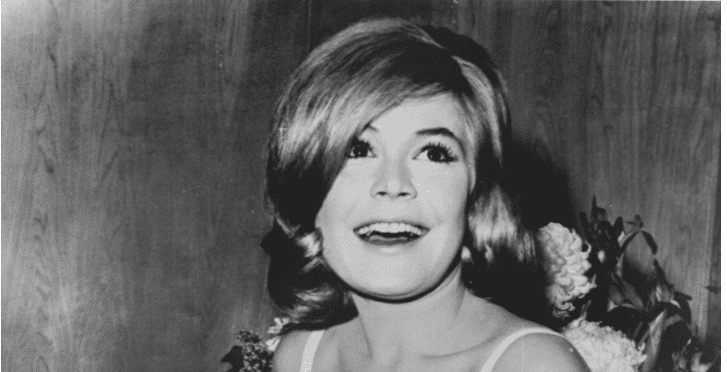
For many Americans, Sandra Dee’s name brings back summer afternoons, neighborhood movie theaters, and a familiar face smiling from the pages of a magazine.
She belonged to a period when a new film could become the centerpiece of a weekend. Friends made plans around showtimes, families scanned newspaper listings, and favorite stars felt like recurring visitors in everyday life.
Dee became one of those stars through films including Gidget, A Summer Place, and Tammy Tell Me True. Her youthful screen personality made her instantly recognizable, but it never represented the whole person.
Looking back at her career today offers something more meaningful than a surprising “secret.” It gives us a chance to appreciate her performances while remembering that the woman behind the familiar image lived a far more complicated life.
The Young Actress Who Quickly Became Familiar
Dee appeared in Until They Sail in 1957, earning a Newcomer Golden Globe the following year. Her early credits also included The Reluctant Debutante, where she worked alongside established performers such as Rex Harrison and Kay Kendall.

Those films provide a useful introduction to her work before the beach-movie image became so closely attached to her name.
A young performer entering an ensemble needs to establish a presence while responding to more experienced actors. Watching those early scenes today allows audiences to notice her reactions, delivery, and ability to hold attention.
For viewers who remember her primarily through publicity photographs, the films restore an important dimension: Sandra Dee was a working actress, learning and performing within demanding professional productions.
The Summer That Made “Gidget” a Favorite
In Gidget in 1959, Dee played Francie Lawrence, a teenager finding her place within a California surfing community. The character originated in Frederick Kohner’s novel and drew inspiration from his daughter, Kathy.
The film offered audiences an inviting combination of beach scenery, friendship, and youthful uncertainty.

For older viewers, its appeal may be tied to memories beyond the story itself. Perhaps it recalls a first summer job, a family vacation, or the feeling of wanting to join a group without quite knowing how. That emotional familiarity helps a film survive changing fashions.
The hairstyles and clothes mark the period, but the desire to belong remains easy to understand. Revisiting Gidget can therefore feel both nostalgic and surprisingly recognizable.
A Remarkable Year Beyond the Beach
Dee’s work in 1959 extended well beyond Gidget.
She also appeared in A Summer Place as Molly Jorgenson and in Douglas Sirk’s Imitation of Life as the teenage Susie Meredith.
Together, those roles reveal a broader range of material than the simple “girl next door” description suggests.
A Summer Place places young romance within a troubled family story. Imitation of Life explores motherhood, ambition, identity, and the emotional distance that can develop between parents and children.
Watching these films later in life can change what stands out.
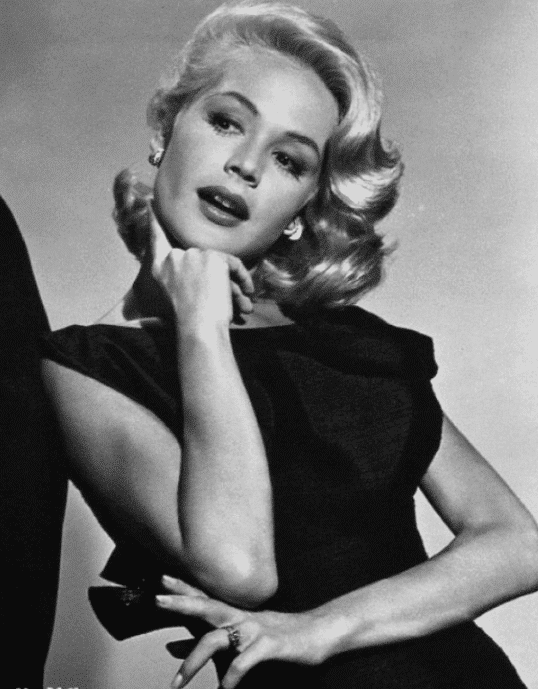
A younger viewer may focus on the teenagers. A parent or grandparent may pay closer attention to the adults, their assumptions, and the conversations they struggle to have. The performances remain the same. The audience brings new experience.
When a Screen Image Becomes Too Small
A recognizable public image can help audiences remember a performer. It can also make it harder to see the variety within the work.
With Dee, the familiar shorthand emphasized sweetness, youth, and innocence. Yet her filmography includes family dramas, romantic comedies, and later material that departed from that established identity.
The American Film Institute’s records document that progression through titles including Portrait in Black, If a Man Answers, Take Her, She’s Mine, and The Dunwich Horror.
The credits cannot tell us everything about her professional choices or private frustrations. They do, however, encourage viewers to look beyond a single label. A career becomes more interesting when we examine the individual performances rather than treating every role as another version of the same character.
A Marriage That Also Brought Screen Partnerships

Dee met singer Bobby Darin during the production of Come September. They married in 1960 and welcomed their son, Dodd, in 1961. Their marriage ended in divorce in 1967.
They also worked together in films, including If a Man Answers and That Funny Feeling. For audiences who followed both movies and popular music, the pairing connected two familiar entertainment worlds.
Their shared films remain part of that history, but the performances should not be mistaken for a complete record of their relationship. Screen chemistry belongs to a production shaped by scripts, direction, and editing.
The private lives behind it were more complicated than the cheerful moments preserved on film.
The Experiences She Later Chose to Share
In a 1991 interview, Dee spoke publicly about painful experiences from her past, including childhood abuse and struggles involving an eating disorder and alcohol. Turner Classic Movies later discussed those disclosures in its account of her life.
Those experiences deserve careful acknowledgment rather than sensational treatment. They were not plot twists designed to make an actress’s story more dramatic. They were parts of her life that complicated the cheerful identity audiences had come to recognize.
Her disclosures also remind us how little an expression in a photograph can reveal. A smile may be genuine in the moment without explaining everything a person is facing. Remembering that distinction allows us to appreciate the image while responding respectfully to the person behind it.

Returning to Her Work With Older Eyes
One rewarding way to remember Dee is to revisit more than one kind of performance. Gidget offers the energy of a young person seeking independence. Imitation of Life places her within a family drama. That Funny Feeling provides a different experience through romantic comedy.
The comparison makes room for details that publicity often overlooks: how she listens within a scene, changes the pace of a conversation, or responds to another actor’s comic timing.
For longtime fans, those observations can add something new to a familiar favorite.
For younger relatives watching alongside them, the films offer an introduction free from the expectation that they must already know what “Sandra Dee” is supposed to mean.
Remembering the Actress Beyond the Label
Sandra Dee died on February 20, 2005. Her films remain available to audiences discovering her work across different generations.
Her lasting place in popular memory includes the sunny beach scenes, the romantic comedies, and the familiar publicity portraits. It should also include recognition that she was an individual whose life exceeded the image attached to her.
There is room to remember both.
Choose a film, let the opening credits play, and notice the performance rather than only the familiar hairstyle or smile.
You may find the movie brings back an old summer, a favorite theater, or someone who first watched it with you. You may also discover a detail in Sandra Dee’s work that you had never appreciated before.