Candice Swanepoel went to the beach after welcoming her second son, and strangers turned photographs of her into a conversation about her stomach.
In July 2018, the South African model responded publicly to criticism of her postpartum appearance. Her message was clear: she felt proud of what her body had accomplished and saw no reason to hide while enjoying time beside the ocean.
For someone whose professional life involved carefully styled photographs and runway appearances, the response challenged an expectation that follows many women after childbirth—the idea that they should quickly look as though pregnancy never happened.
Candice chose a different perspective. She wanted to enjoy the beach, appreciate her family, and ask people to treat one another with more kindness.
The Beach Photos That Sparked the Conversation
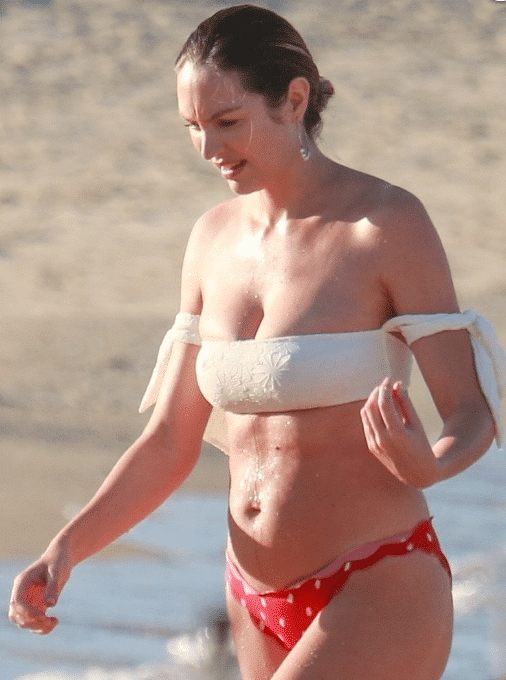
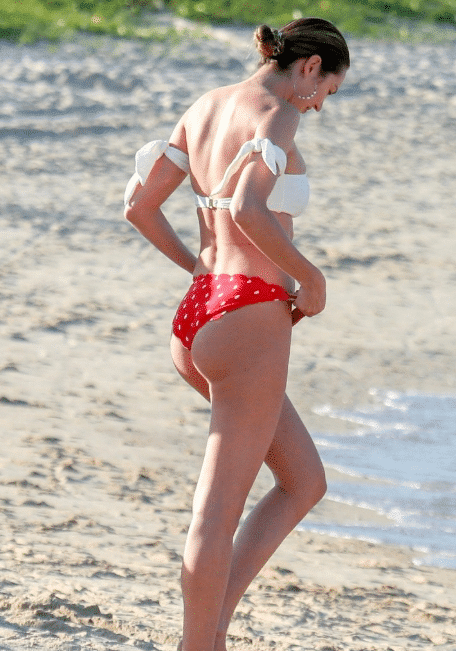
The photographs circulated shortly after Candice welcomed her second son, Ariel, in June 2018. Coverage showed the model wearing a bikini on a beach in Brazil, where her appearance attracted unwelcome comments online.
Rather than ignoring that particular criticism, she addressed it through Instagram Stories. Alongside images, she explained that they showed her body just 12 days after having her son. Contemporary reports reproduced her response in July
That timing gave her words added force. She was describing an extremely recent experience, yet people were already treating her appearance as something requiring public assessment.
What should have been an ordinary outing became an opportunity for strangers to express expectations she had never agreed to meet.
A Holiday Moment Became a Public Judgment
Beach photographs capture a brief moment. They do not explain how someone feels, what their day involves, or what they have recently experienced.
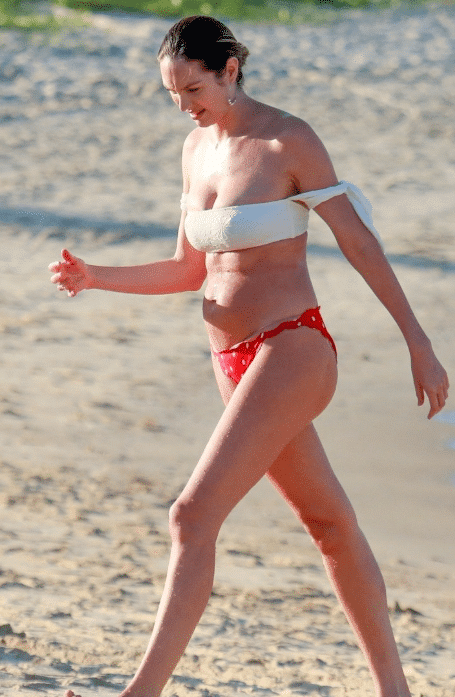
In Candice’s case, the context mattered enormously. She had just welcomed a baby, and her family was adjusting to life with a new member.
The online discussion focused on a visible change in her appearance. Her response brought attention back to the person in the photographs.
Candice Swanepoel Said She Felt Proud
The most memorable part of Candice’s message was its directness. She wrote, “I’m not ashamed to show my postpartum tummy. I am proud actually.”
She explained that her body had carried her son for nine months and rejected the suggestion that a changed stomach was something embarrassing.
Her answer did not involve presenting a plan to change her appearance. Instead, she questioned why anyone believed she needed to justify it.
That distinction changed the conversation. The subject was no longer whether she looked ready for a photograph. It was whether a new mother should have to defend being photographed at all.
Who Is Candice Swanepoel?
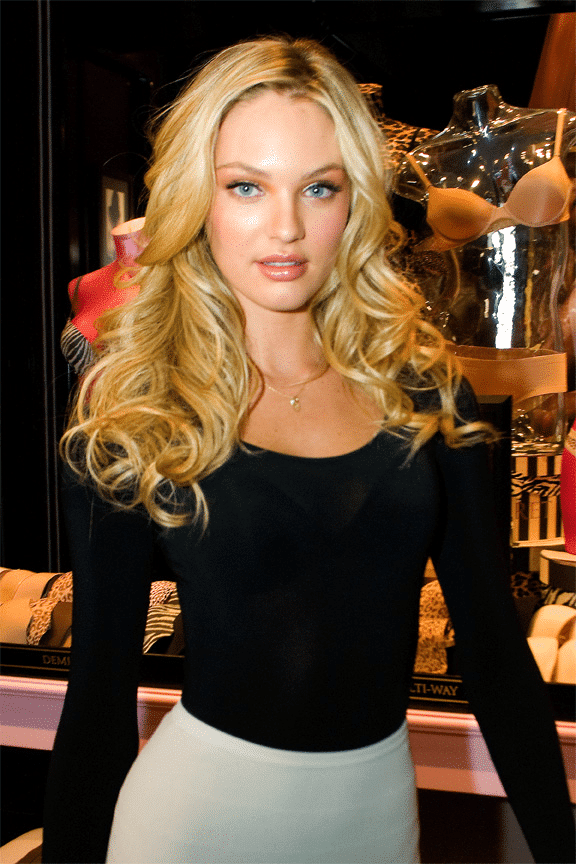
By 2018, Candice had established an international modeling career and become closely associated with Victoria’s Secret. Her runway appearances and fashion photographs made her recognizable to audiences far beyond her native South Africa.
That visibility helps explain why the beach images traveled widely. People were accustomed to seeing her in highly produced professional settings.
But familiarity with someone’s public image does not amount to knowing their life. A campaign photograph represents a particular assignment, with styling, lighting, and a team contributing to the final result.
The beach photographs belonged to a personal chapter, and Candice’s response asked people to recognize that difference.
Welcoming Her Second Son, Ariel
Candice and her then-fiancé, Brazilian model Hermann Nicoli, welcomed Ariel on June 19, 2018. They were already parents to their eldest son, Anacã
The distinction between fiancé and husband matters when revisiting the original account. Contemporary reporting identified Hermann as her fiancé during this period.

For Candice, the new arrival gave the family another relationship to nurture. Her public posts expressed gratitude for her sons and happiness that they would grow up with each other.
Those sentiments provided a very different view from the comments evaluating her appearance.
Questioning Unrealistic Beauty Expectations
Candice described beauty standards as sometimes impossible for women. Her comments addressed the contradiction of expecting someone to undergo a major life event while remaining visually unchanged.
The pressure can appear in seemingly casual language. Praise for looking “back to normal” may suggest that a different appearance is somehow unacceptable.
Her response challenged the assumption behind that language. She did not consider her postpartum stomach evidence that something had gone wrong.
She saw it as connected to a meaningful experience and asked why others could not leave it alone.
A Call for More Kindness
Candice ended her response by encouraging women to support one another. The appeal moved the conversation beyond her own photographs toward the way people speak about other people’s bodies.
Kindness here meant something practical: refraining from turning a stranger’s appearance into an invitation for ridicule.
It also meant recognizing the limits of a photograph. We can see someone standing on a beach without knowing what they need, how they feel, or what matters most to them that day.
Conclusion
Candice Swanepoel’s 2018 response turned criticism of her postpartum beach photographs into a clear statement about dignity and personal boundaries.
After welcoming Ariel, she expressed pride in her body, questioned unrealistic expectations, and asked to enjoy the beach in peace. Her message did not depend on proving anything through another photograph. It rested on something simpler: motherhood did not create an obligation to hide, and being famous did not make unkindness acceptable.